★What is Hydroxypinacolone Retinoate (HPR) and what makes it a unique retinoid ingredient?
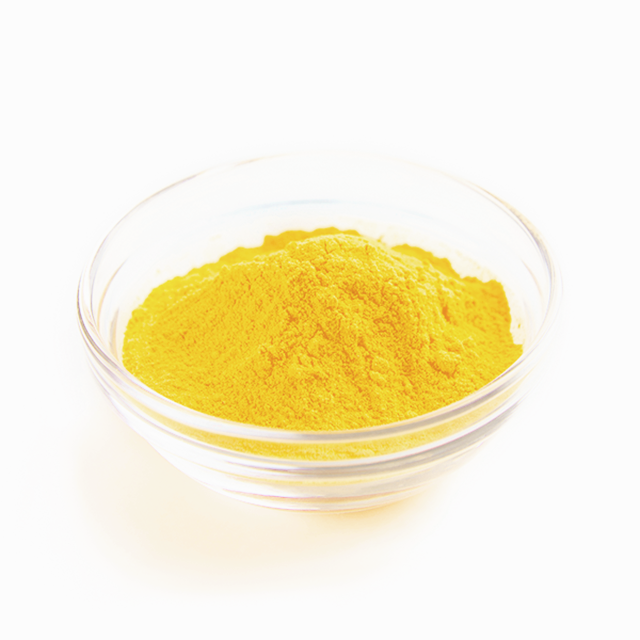
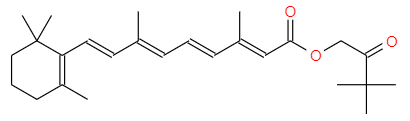
Hydroxypinacolone Retinoate, often referred to as HPR, is a next-generation, highly active retinoid ester. Unlike traditional retinol or retinyl palmitate, it acts directly on retinoid receptors without requiring metabolic conversion in the skin. This gives it stronger efficacy at lower concentrations while maintaining much better stability and skin tolerance compared to conventional vitamin A derivatives.
★What is the recommended dosage for cosmetic formulations?
For powder (≥99% purity): 0.01‰-0.3% (0.001%-0.03%) . For liquid solutions (10% HPR): 0.5-2.0%. For serums and acne treatments: 1.0-2.0% . For eye creams: 0.5-1%. For night products: up to 5%.
★What is the stability profile of HPR?
HPR retains over 90% potency after 12-week exposure to 40°C and ambient light when dissolved in squalane or isoamyl laurate . No retinoic acid residue detected under accelerated testing (50°C/light exposure) . pH range: 5.0-7.0 optimal.
★Is HPR listed in China's cosmetic ingredient catalog?
Yes. Hydroxypinacolone Retinoate is officially listed in China's IECIC (2021 Edition) with sequence number 05269, INCI name "HYDROXYPINACOLONE RETINOATE", CAS 893412-73-2 . Maximum permitted concentration for leave-on products: 0.3%.
★What are the regulatory statuses in other major markets?
EU CosIng: permitted at 0.04% equivalent concentration . US FDA: Generally recognized as safe for cosmetic use. Always check local concentration limits and restricted substance lists before market entry. Full SDS, REACH, and FDA-compliant documentation available.
★What types of products commonly include Hydroxypinacolone Retinoate?
Hydroxypinacolone Retinoate is widely used in anti-aging serums, wrinkle repair creams, acne treatments, and skin renewal formulations. It is particularly suitable for premium skincare products targeting multiple concerns.
★What is the solubility of Hydroxypinacolone Retinoate?
Hydroxypinacolone Retinoate is oil-soluble, making it suitable for incorporation into emulsions, creams, and oil-based serums. Proper dispersion is important for optimal performance.