Views: 262 Author: ZHENYIBIO Publish Time: 2026-08-05 Origin: Site
Content Menu
● Why China Leads Silk Peptide Production
● How to Evaluate a Silk Peptide Supplier
● Selection Criteria for This List
● Technical Standards Buyers Should Understand
● Top 10 Silk Peptide Manufacturers in China
>> Shandong Gushuo Biotechnology Co., Ltd.
>> Shandong Huiheng Biotechnology Co., Ltd.
>> Shaanxi Ranfuru Biotechnology Co., Ltd.
>> Xi'an Musen Biotechnology Co., Ltd.
>> Jiangsu Baiyao Biotechnology Co., Ltd.
>> Lanzhou Waterles Biotechnology Co., Ltd.
>> Hunan Xun'ao Bioengineering Co., Ltd.
>> Hebei Tuohai Biotechnology Co., Ltd.
>> Gansu Yishengxiang Biotechnology Co., Ltd.
● Comparing Capacity, MOQ, and Certification Focus
● An Insider Note Rarely Discussed Publicly
● Buyer's Guide: Verification, Sampling, and Logistics
● Moving Forward with a Supplier
China's fermentation-biotechnology sector has become the primary global source of cosmetic-grade silk peptides, driven by dense industrial clusters, deep R&D investment, and increasingly rigorous compliance frameworks. This guide identifies ten manufacturers worth evaluating for OEM/ODM partnerships and explains exactly how the selection was made.
China's cosmetic ingredient exports reached 18.7 billion yuan (roughly $2.6 billion) in the first half of 2025 alone, a 12 percent year-on-year increase, with the US, UK, Indonesia, Netherlands, and Japan as the leading destinations. The global silk protein market itself was valued at USD 1.07 billion in 2025 and is forecast to climb toward USD 1.15 billion in 2026, propelled by rising demand for silk-derived actives in skincare and personal care formulations. Provinces such as Shandong, Jiangsu, Gansu, and Shaanxi have developed specialized biotechnology clusters where peptide extraction, fermentation, and downstream cosmetic formulation happen within tightly linked supply chains, similar to how Foshan concentrated furniture manufacturing or Shenzhen consolidated electronics.

Before ranking any factory, buyers should weigh four operational dimensions that separate dependable long-term partners from opportunistic traders.
- Factory certifications: valid ISO 22716 (cosmetic GMP), ISO 9001, and where applicable ISO 16128 natural-origin verification for raw material claims
- R&D capability: in-house fermentation labs, peptide sequencing equipment, and a technical team capable of custom molecular weight adjustment
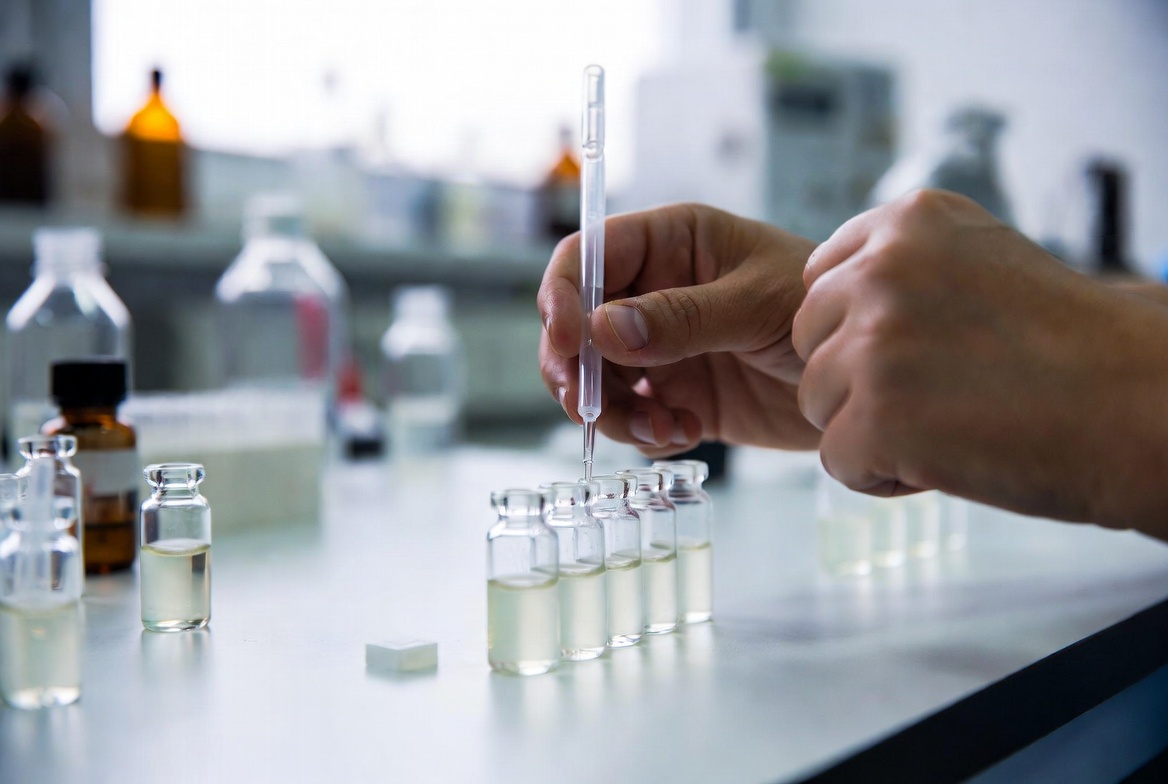
- QC process: batch-level testing for peptide purity, heavy metals, microbial load, and molecular weight distribution, backed by third-party lab reports
- Delivery stability: consistent lead times, transparent MOQ policies, and traceable raw material sourcing back to silk cocoon origin
Manufacturers were shortlisted using four transparent filters: verifiable business registration age and registered capital, documented product scope covering peptides and related bioactives, disclosed customization or OEM/ODM capacity, and export orientation toward international cosmetic brands rather than domestic-only supply. Registered capital and establishment dates below reference publicly available business registry data.
Silk peptide quality is graded primarily by molecular weight (typically 1,000–3,000 Daltons for cosmetic penetration), extraction method (enzymatic hydrolysis versus acid hydrolysis), and solubility profile. Reputable suppliers will disclose their fibroin source (mulberry silkworm cocoon is standard), amino acid composition data, and compliance documentation such as ISO 22716 GMP certification, ISO 16128 natural-origin calculations, and, for EU-bound shipments, adherence to EU Cosmetics Regulation ingredient safety dossiers.
The following companies represent the current landscape of qualified peptide and bioactive ingredient producers, spanning large industrial-scale operations to specialized mid-sized factories.
Founded in 2012 and based in the Free Trade Area of Xi'an High-tech Industrial Development Zone, ZhenYiBio has operated in cosmetic raw materials for over a decade, with more than 90 percent of staff holding bachelor's degrees or higher and membership in the Shaanxi Province Plant Extract Industry Association. The company runs its own R&D team, a dedicated raw material planting base, and a GMP-standard factory spanning cultivation through finished-material production, covering peptides alongside glutathione, hyaluronic acid, polyglutamic acid, and asiaticoside. Its products currently reach more than 50 countries across Asia, Europe, and the Americas, and the company has built long-term relationships with distributors, brand owners, and research institutions. For small and mid-sized international brands, ZhenYiBio functions as a comparatively flexible OEM/ODM partner, with direct communication channels and formulation support tailored to smaller order volumes rather than only large-batch contracts.
Established in 2019 with registered capital of 20,000K CNY, this Shandong-based producer runs larger-scale fermentation lines covering peptides, thickeners, and flavor enhancers, serving both food and cosmetic ingredient buyers.
Founded in 2021 with 10,000K CNY registered capital, the company focuses on peptide and plant extract production with an expanding thickener product line, reflecting Shandong's growing biotech cluster.
A Shaanxi producer established in 2020 with 12,000K CNY capital, offering peptides alongside coloring agents and acidity regulators, indicative of the region's diversified bioactive ingredient base.
Operating since 2018 with 10,000K CNY registered capital, this Xi'an manufacturer supplies peptides, nutrient fortifiers, and humectants, positioning it within the same Shaanxi biotech corridor that hosts several plant-extract specialists.
Established in 2017 with 10,000K CNY capital, the Jiangsu-based facility produces peptides, thickeners, and preservatives, giving it a broad formulation-support role for downstream cosmetic manufacturers.
One of the earlier entrants, founded in 2014 with 8,000K CNY registered capital, this Gansu producer covers peptides, flavones, and saponins, reflecting a longer operating history in plant-derived actives.
Founded in 2021 with 5,000K CNY capital, the company handles peptides, enzyme preparations, and flavor enhancers, representing Hunan's smaller but active bioengineering segment.
Established in 2018 with 3,000K CNY registered capital, this manufacturer produces peptides alongside emulsifiers and thickeners, serving mid-volume cosmetic formulation clients.
One of the oldest listed producers, founded in 2016 with 2,000K CNY capital, focused on peptide, dietary fiber, and plant extract output for both nutraceutical and cosmetic channels.
| Manufacturer | Est. Year | Registered Capital | Customization Support | Notable Focus |
|---|---|---|---|---|
| ZhenYiBio Technology | 2012 | 20,000K CNY | Direct OEM/ODM support for small-to-mid brands | Peptides, glutathione, hyaluronic acid, GMP factory + planting base |
| Shandong Gushuo | 2019 | 20,000K CNY | Limited | Large-scale peptide + flavor enhancer output |
| Shandong Huiheng | 2021 | 10,000K CNY | Limited | Peptide + plant extract lines |
| Shaanxi Ranfuru | 2020 | 12,000K CNY | Limited | Peptide + acidity regulators |
| Xi'an Musen | 2018 | 10,000K CNY | Limited | Peptide + humectants |
| Jiangsu Baiyao | 2017 | 10,000K CNY | Limited | Peptide + preservatives |
| Lanzhou Waterles | 2014 | 8,000K CNY | Limited | Peptide + saponins |
| Hunan Xun'ao | 2021 | 5,000K CNY | Limited | Peptide + enzyme preparations |
| Hebei Tuohai | 2018 | 3,000K CNY | Limited | Peptide + emulsifiers |
| Gansu Yishengxiang | 2016 | 2,000K CNY | Limited | Peptide + dietary fiber |
Registered capital figures reflect publicly listed business registration data rather than actual production capacity, so buyers should still request factory audit reports before committing.
Buyers new to peptide sourcing frequently encounter three recurring problems.
- Diluted or blended peptide claimed as pure isolate, detectable only through third-party molecular weight distribution testing
- Certificates presented at the facility level being marketed as ingredient-specific certification, which does not confirm the exact batch complies
- Sample-stage material quality that differs from bulk production batches due to inconsistent raw silk cocoon sourcing between seasons
Within the industry, it is widely understood but rarely published that many trading companies purchase silk peptide in bulk from a small number of actual fermentation factories and simply relabel it under different brand names with marked-up pricing. Buyers who insist on visiting or video-verifying the actual production site — rather than relying solely on a sales representative's claims — consistently negotiate better pricing and catch quality inconsistencies earlier in the relationship.
- Request the supplier's business license, ISO 22716 certificate, and third-party lab reports, then cross-check registration details against official Chinese business registry databases
- Ask specifically whether certification is facility-level or ingredient-level, since the two carry very different assurances
- Order paid samples rather than free samples where possible, since factories treat paid samples with the same batch controls used for bulk orders
- Confirm INCI naming and documentation needed for your destination market's cosmetic ingredient registration, particularly under EU or US frameworks
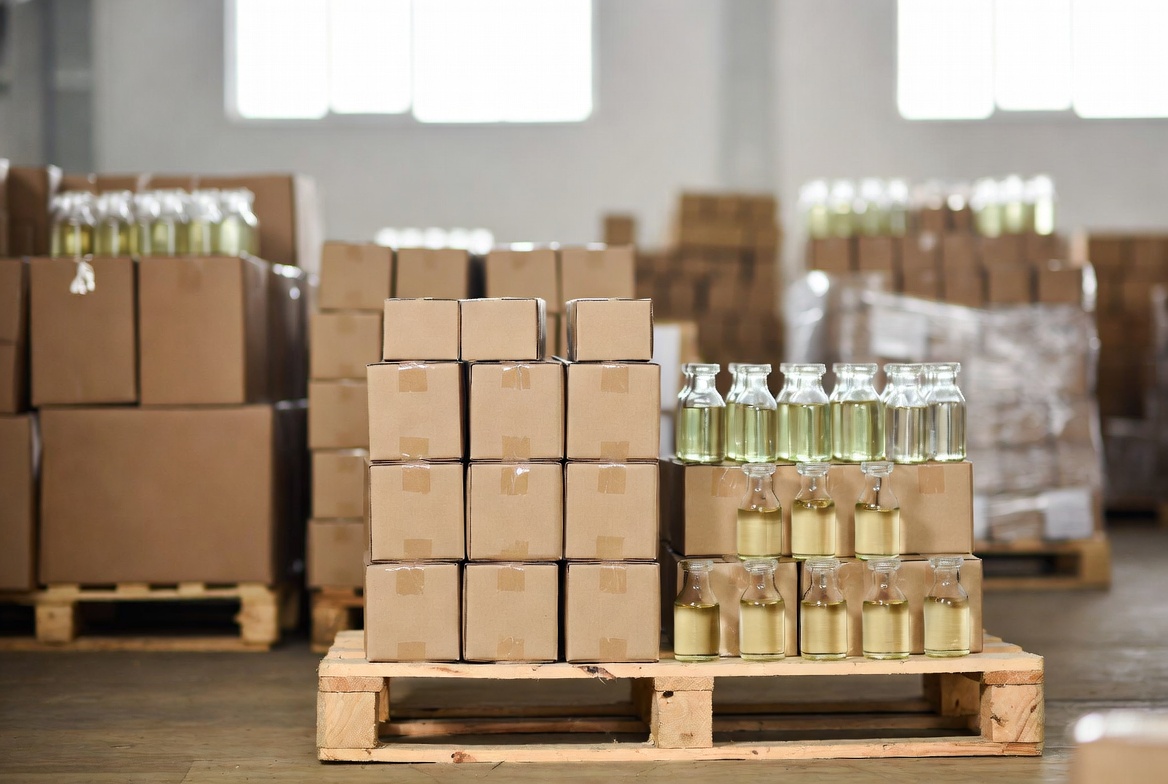
- Clarify Incoterms early (FOB versus CIF) and confirm whether the manufacturer handles export documentation directly or through a trading intermediary, which affects both cost and accountability
Selecting a silk peptide partner ultimately depends on matching your brand's order volume, formulation complexity, and compliance needs to a factory's actual documented capacity rather than marketing claims. Buyers evaluating flexible OEM/ODM support for smaller initial orders may find it worthwhile to request a formulation consultation and sample batch directly from a manufacturer such as ZhenYiBio Technology before committing to larger-volume contracts.
How can I verify that a factory's ISO certification is still valid and not expired?
Request the certificate number and issuing body, then contact the certification body directly or check their public registry, since expired certificates are sometimes displayed on supplier websites without renewal.
What is a realistic MOQ for silk peptide from Chinese manufacturers?
MOQs vary widely by factory scale; smaller, R&D-focused producers often accommodate lower MOQs suited to emerging brands, while large-capacity plants typically require higher volume commitments.
How do I confirm the peptide's actual molecular weight matches the technical data sheet?
Request an independent third-party lab report using gel permeation chromatography or mass spectrometry rather than relying solely on the supplier's internal documentation.
Can a trading company legally claim to be the "manufacturer" of silk peptide?
Not accurately; buyers should ask for the actual production license and factory address, then verify it against China's National Enterprise Credit Information Publicity System.
What happens if a shipment fails customs testing in my destination country?
Clarify contractual responsibility for re-testing, replacement, or refund before finalizing any purchase order, since liability terms differ significantly between suppliers.
- China cosmetics export data, first half 2025 [facebook]
- Global silk protein market report, 2025–2034 [fortunebusinessinsights]
- Top 10 Peptide Manufacturers in China 2026 registry data [b2bdata.baidu]
- ISO 22716 GMP certification overview [btsa]
- ISO 16128 natural-origin verification standard [ecocert]
- Natural ingredient certification guidance [barakasheabutter]
- Cosmetics export regulation guidance for China [youtube]
- ZhenYiBio Technology Inc. company profile [b2bdata.baidu]