


Views: 233 Author: ZHENYIBIO Publish Time: 2026-08-04 Origin: Site
Content Menu
● Understanding Hormonal Melasma at the Cellular Level
● What Is Undecylenoyl Glycine and How Does It Work?
● What Is Niacinamide and Why Is It a Melasma Staple?
● Head-to-Head Comparison: Undecylenoyl Glycine vs. Niacinamide
● Industry Insight: Why Combination Formulas Are Outperforming Single-Active Products
● Sustainability and Biofermentation: Where ZHENYIBIO's Approach Fits In
● Which Pathway Should You Choose?
Hormonal melasma remains one of the most stubborn pigmentation disorders in modern skincare, and formulators are increasingly turning to two standout actives: Undecylenoyl Glycine and Niacinamide. As a natural plant-derived active ingredients manufacturer, ZHENYIBIO Technology Inc has spent years studying how these two pathways perform in real-world melasma management, and this analysis breaks down exactly which one delivers stronger results for hormone-driven hyperpigmentation.
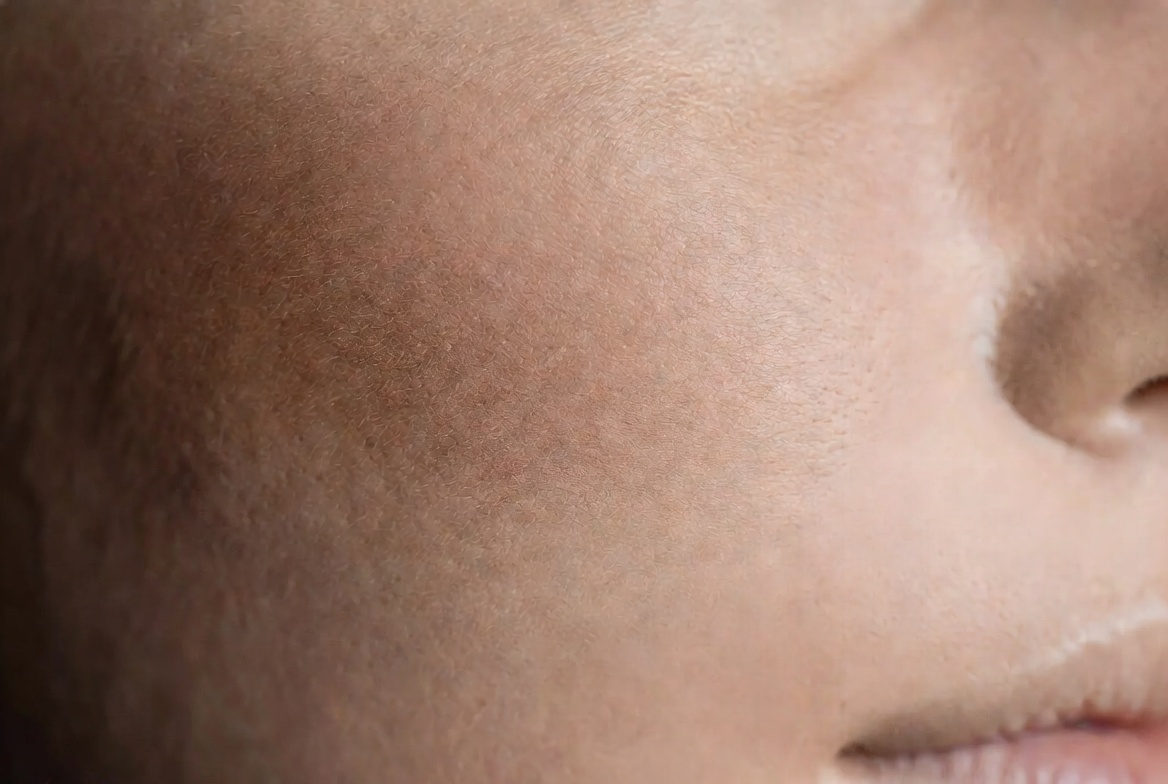
Hormonal melasma develops when fluctuating estrogen and progesterone levels—triggered by pregnancy, oral contraceptives, or hormone therapy—overstimulate melanocytes. This overstimulation increases tyrosinase activity, the enzyme responsible for converting tyrosine into melanin. Unlike sun-induced hyperpigmentation, hormonal melasma tends to be symmetrical, deeper-set, and more resistant to conventional brightening agents, which is why ingredient selection matters so much in formulation.

Undecylenoyl Glycine is a glycine derivative conjugated with undecylenic acid, a naturally occurring fatty acid derived from castor oil. It belongs to a newer generation of biofermentation-friendly actives that target melanin production through a multi-step inhibition mechanism rather than a single enzymatic block.
Key mechanisms include:
- Tyrosinase pathway modulation — reduces the conversion of tyrosine to dopaquinone, slowing melanin synthesis at its origin point.
- Low molecular weight penetration — its small structure allows efficient absorption into the epidermis without requiring harsh penetration enhancers.
- Non-optically active structure — because it lacks enantiomers, its physiological activity is consistent batch to batch, an important quality marker for OEM/ODM manufacturing.
Related compounds in this family, such as undecylenoyl phenylalanine, have shown measurable results in controlled trials. In one double-blind vehicle-controlled study, 85% of melasma patients using a 2% undecylenoyl phenylalanine preparation showed partial to marked improvement within 12 weeks, with lightening evident from the four-week mark.
Niacinamide (vitamin B3) has been a dermatological workhorse for over two decades. Its primary mechanism against melasma is interfering with melanosome transfer from melanocytes to keratinocytes, rather than blocking melanin production outright.
Core benefits of niacinamide for pigmentation:
- Reduces inflammatory infiltrate associated with hormonal flare-ups.
- Strengthens the skin barrier, which helps reduce transepidermal water loss often disrupted by aggressive brightening actives.
- Improves solar elastosis, a secondary benefit relevant for melasma patients with sun-damaged skin.
In a landmark double-blind randomized clinical trial, niacinamide 4% cream produced good-to-excellent improvement in 44% of melasma patients, compared to 55% with hydroquinone 4%, over eight weeks. Another comparative study found MASI score reductions of 62% with niacinamide versus 70% with hydroquinone after the same treatment period.
| Criteria | Undecylenoyl Glycine | Niacinamide |
|---|---|---|
| Primary mechanism | Tyrosinase pathway inhibition | Melanosome transfer blockage |
| Onset of visible results | 4–6 weeks (related compounds) | 4–8 weeks |
| Skin barrier support | Moderate | Strong |
| Irritation risk | Low to minimal | Very low |
| Best suited skin type | Combination, oily-prone | All types, including sensitive |
| Synergy potential | Works well with AHAs, niacinamide | Works well with tranexamic acid, retinoids |
| Formulation stability | High (non-optically active) | High, but can oxidize without proper stabilizers |
Neither ingredient works as a stand-alone "cure." The strongest melasma formulations on the market today combine both pathways, pairing tyrosinase inhibition with barrier-repair and anti-inflammatory support for a compounding effect.
Newer clinical data on related pigment-blocking peptides reinforces this trend. A 2025 randomized trial on a 2-mercaptonicotinoyl glycine serum—structurally related to the glycine-conjugate family—found non-inferior efficacy compared to hydroquinone 4%, with significantly fewer local skin reactions (6.0% vs. 21.4%). This signals a broader industry shift: brands are prioritizing glycine-conjugate actives specifically because they match hydroquinone-level results without the safety concerns tied to hydroquinone use.
Practical formulation takeaways for brand owners:
1. Position Undecylenoyl Glycine as the "active correction" layer in serums and spot treatments.
2. Use niacinamide at 4–5% concentration as a daily maintenance layer in moisturizers or essences.
3. Pair both with broad-spectrum SPF, since UV exposure reactivates melanocyte stimulation regardless of active ingredient choice.
4. Stabilize niacinamide formulations with proper pH control (5.0–7.0) to prevent conversion into irritating niacin.
As a biofermentation-focused manufacturer, ZHENYIBIO Technology Inc produces both plant-derived niacinamide and Undecylenoyl Glycine using fermentation processes that reduce reliance on petrochemical intermediates. This matters increasingly to global beauty brands under pressure to demonstrate sustainable sourcing.
What sets a science-backed OEM/ODM partner apart:
- Traceable raw material sourcing from plant-based fermentation feedstocks.
- Batch consistency testing to confirm active concentration and purity before shipment.
- Custom formulation support for brands wanting single-active, dual-active, or full anti-melasma system products.
- Regulatory documentation support for markets requiring INCI compliance and safety dossiers.
For brands targeting hormonal melasma specifically, the tyrosinase-blocking action of Undecylenoyl Glycine tends to deliver faster visible correction, while niacinamide provides the long-term barrier resilience needed to prevent rebound pigmentation once hormone levels stabilize. The most defensible market position—and the one supported by the clinical trend data above—is a layered system product rather than a single-ingredient claim.
Brands and manufacturers ready to formulate a next-generation melasma solution can request a technical data sheet and sample batch of ZHENYIBIO's biofermented Undecylenoyl Glycine and Niacinamide raw materials to begin private-label or custom OEM/ODM development today.
1. Can Undecylenoyl Glycine and Niacinamide be used together safely?
Yes. They target different stages of melanin production and are commonly combined in professional formulations without compatibility issues.
2. How long does it take to see results on hormonal melasma?
Most clinical data shows visible improvement between four and eight weeks, though full stabilization of hormonal melasma can take three to six months of consistent use.
3. Is Undecylenoyl Glycine safe for sensitive or pregnant skin?
It is generally considered low-irritation, but formulators should always run patch testing and consult regulatory guidance for pregnancy-safe claims before market launch.
4. Does niacinamide alone fully clear hormonal melasma?
No single ingredient fully clears hormonal melasma. Niacinamide reduces pigment transfer and inflammation but works best alongside tyrosinase inhibitors and sun protection.
5. What concentration of niacinamide is most effective for melasma?
Clinical studies commonly use 4% niacinamide, which has shown significant MASI score improvement over eight-week treatment periods.
6. Why are brands shifting away from hydroquinone toward these alternatives?
Newer actives like Undecylenoyl Glycine derivatives show comparable efficacy to hydroquinone with notably lower rates of skin irritation, aligning with growing regulatory restrictions on hydroquinone in several regions.
1. Navarrete-Solís, J. et al. "A Double-Blind, Randomized Clinical Trial of Niacinamide 4% versus Hydroquinone for Melasma." (2011) — https://www.ncbi.nlm.nih.gov/pmc/articles/PMC3702022/
2. González-Molina, V. et al. "Topical Treatments for Melasma and Their Mechanism of Action." — https://pmc.ncbi.nlm.nih.gov/
3. Katoulis, A. et al. "A Double-Blind Vehicle-Controlled Study of Undecylenoyl Phenylalanine for Melasma." (2014) — https://onlinelibrary.wiley.com/
4. Passeron, T. et al. "Efficacy and Tolerability of a New Facial 2-Mercaptonicotinoyl Glycine Serum vs. Hydroquinone 4%." (2025) — https://link.springer.com/
5. EWG Skin Deep. "What Is Undecylenoyl Glycine." — https://www.ewg.org/skindeep/
6. ZhenYiBio Technology Inc. "OEM ODM Cosmetic Raw Material Services." — https://www.zhenyibio.com/


