Views: 242 Author: ZHENYIBIO Publish Time: 2026-06-28 Origin: Site
Content Menu
● Signal Peptides vs. Structural Peptides – Core Definitions
● What Is Copper Peptide Powder?
● Mechanism of Action – Why Copper Peptide Is a Signal Peptide
● Mechanism of Action – Why Silk Peptide Is a Structural Peptide
● Deep Wrinkle Repair – Copper Peptide vs. Silk Peptide
>> Practical Formulation Scenarios
● Safety, Tolerability and Regulatory Considerations
● Manufacturing & Quality – Why OEM/ODM Capability Matters
● Expert Insights – When to Prioritize Signal vs. Structural Peptides
● Real‑World Use Cases in Global Beauty
● Practical Formulation Guidelines for Brands
● Side‑by‑Side Comparison Table – Copper Peptide Powder vs. Silk Peptide
● How ZHENYIBIO Supports Brands with Peptide‑Based Deep Wrinkle Solutions
● Action Steps for Brand Owners and Product Managers
● FAQs About Copper Peptide Powder and Silk Peptide for Deep Wrinkle Repair
Copper peptide powder and silk peptide work very differently in anti‑aging formulas, and understanding these mechanisms helps brands design more targeted deep wrinkle repair products. Both are valuable cosmeceutical actives, but they sit in different peptide families: copper peptides act as signal peptides that tell skin what to do, while silk peptides behave more like structural support and protective film-formers. [zhenyibio]
Anti‑aging formulators today are not just choosing "a peptide"; they are choosing between signal peptides that modulate cell behavior and structural peptides that focus on texture, barrier and feel. Copper peptide powder (typically GHK‑Cu) has become a benchmark signal peptide for dermal remodeling, while silk peptide (silk fibroin/sericin hydrolysates) is widely used as a structural and sensorial booster. For a manufacturer like ZHENYIBIO TECHNOLOGY INC, which specializes in natural plant actives combined with modern biotechnology, the real opportunity lies in positioning each peptide for the right anti‑wrinkle scenario and often in synergistic combinations. [chemicalbook]
Signal peptides are short amino acid chains that act as biological messengers, stimulating key pathways such as collagen synthesis, wound repair and antioxidant defense in the dermis. Copper peptides are a classic example: the GHK sequence delivers bioavailable copper ions that activate enzymes involved in extracellular matrix remodeling and tissue repair. [pmc.ncbi.nlm.nih]
Structural peptides, on the other hand, contribute more to support, film‑forming and sensory benefits than direct signaling. Silk peptide, obtained by controlled hydrolysis of silk fibroin and/or sericin, forms a breathable protective film, enhances smoothness and reduces TEWL (transepidermal water loss), indirectly supporting anti‑wrinkle performance by improving barrier function and surface texture. [zhenyibio]

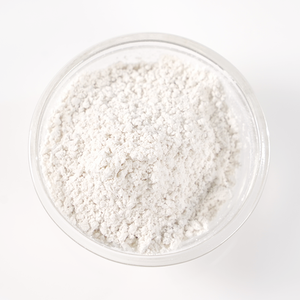
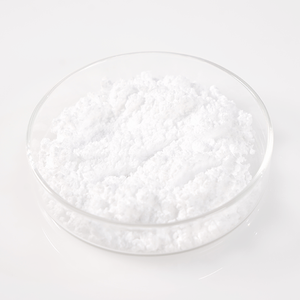
Copper peptide powder used in cosmetics typically refers to GHK‑Cu, a naturally occurring tripeptide complexed with copper that is found in human plasma and tissue. In topical anti‑aging, it has gained attention for its ability to support collagen I and III production, increase glycosaminoglycans, and enhance overall dermal matrix quality, especially in photo‑aged skin. [pmc.ncbi.nlm.nih]
From a manufacturing perspective, stable copper peptide powder requires controlled chelation and purification to ensure consistent copper loading, solubility and low impurity levels. Companies like ZHENYIBIO, with expertise in peptides, fermentation and cosmetic raw material standardization, are well‑positioned to offer copper peptide powders that meet global OEM/ODM quality expectations for premium serums and ampoules. [chemicalbook]
Copper peptides act primarily at the dermal level as signal molecules, interacting with fibroblasts to promote collagen synthesis, elastin organization and ECM repair. In vitro and clinical data show that copper peptides can enhance wound healing, increase dermal thickness and improve elasticity, all of which are critical for deep wrinkle reduction in mature skin. [pmc.ncbi.nlm.nih]
By delivering copper ions directly in a bioavailable peptide complex, GHK‑Cu can modulate the expression of genes related to antioxidant defenses and tissue remodeling. For formulators, this means copper peptide powder is best positioned as a core active in high‑efficacy anti‑wrinkle serums, eye treatments and post‑procedure recovery products where signaling and regeneration are central claims. [pmc.ncbi.nlm.nih]
Silk peptide is produced by hydrolyzing silk fibroin or sericin from silkworm cocoons into low‑molecular‑weight peptides that are water‑dispersible and cosmetically elegant. These peptides have a high affinity to keratin in skin and hair, forming a thin, flexible film that improves smoothness, gloss and short‑term tightening effects. [pmc.ncbi.nlm.nih]
Because of their structural and film‑forming nature, silk peptides are widely used as functional ingredients in creams, essences and masks, often playing a dual role: providing sensorial luxury and supporting barrier repair, which indirectly helps soften the appearance of fine lines. Manufacturers focusing on natural‑derived actives and gentle anti‑aging, such as ZHENYIBIO, often combine silk peptides with botanical extracts and humectants to build a premium skin‑feel profile. [chemicalbook]
Silk peptides primarily stay closer to the stratum corneum and upper epidermis, where they create a semi‑occlusive but breathable film. This film improves hydration, reduces TEWL and provides an immediate smoothing effect that can visually reduce the depth and harshness of fine surface wrinkles. [pmc.ncbi.nlm.nih]
In addition, certain silk peptide fractions exhibit antioxidant and protective effects, helping to shield skin proteins from environmental damage, though their direct impact on deep dermal collagen is less pronounced than that of signal peptides like copper peptide. As a result, silk peptide is best described as a structural support and feel‑enhancer, making it ideal for day creams, primers and products that emphasize comfort as much as efficacy. [pmc.ncbi.nlm.nih]
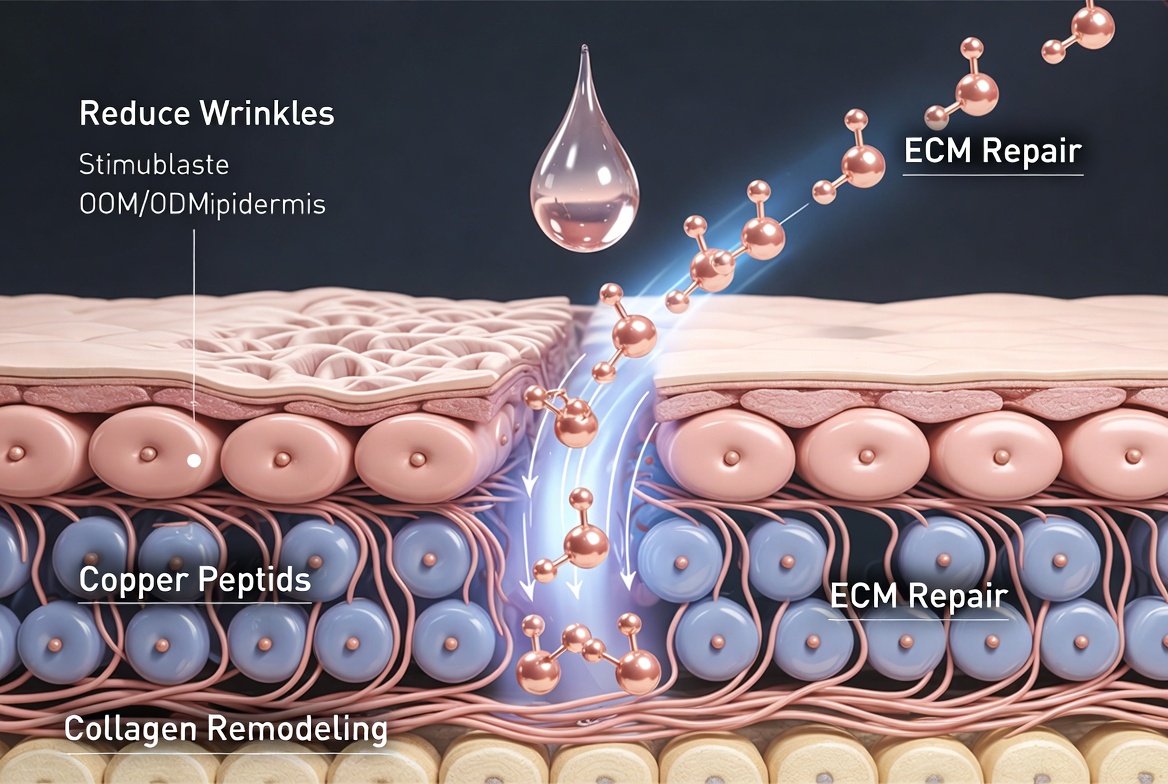
For deep wrinkle repair, the most important biological target is the dermal matrix: collagen fibers, elastin network and glycosaminoglycan content that maintain skin firmness and rebound. Copper peptide directly addresses these structures by up‑regulating collagen synthesis and supporting tissue remodeling, making it particularly suitable for peri‑orbital wrinkles, nasolabial folds and photo‑aging in mature skin. [pmc.ncbi.nlm.nih]
Silk peptide contributes mainly by improving hydration, smoothing the skin surface and enhancing light reflection, which optically reduces the visibility of lines but does not fundamentally rebuild deep dermal structures. In practice, brands that want credible deep wrinkle claims will often position copper peptide powder as the hero active, while using silk peptide as a secondary structural component to enhance sensorial appeal and immediate, perceivable smoothing. [pmc.ncbi.nlm.nih]
- Night repair serum for 40+ skin: Copper peptide at an optimized level, combined with niacinamide and low‑irritant retinoids, to promote collagen renewal, with optional silk peptide to improve feel and reduce tightness. [pmc.ncbi.nlm.nih]
- Day cream for early fine lines: Silk peptide as a key structural peptide for instant smoothing, paired with low‑dose copper peptide for long‑term support and botanical antioxidants for protection. [zhenyibio]
- Post‑procedure recovery ampoule: Copper peptide leading for regeneration and barrier repair, supported by soothing plant extracts (e.g., centella actives) and mild film‑formers for comfort. [chemicalbook]
Both copper peptide and silk peptide are generally well‑tolerated when used at cosmetic levels, but their risk profiles are not identical. Copper peptides can, in rare cases, trigger sensitivity in compromised skin if concentrations are too high or pH is not optimized, so patch testing and careful long‑term stability testing are essential for global launches. [pmc.ncbi.nlm.nih]
Silk peptide is typically considered mild and suitable even for more delicate skin, although formulators must evaluate potential allergenicity in consumers with known silk or insect‑related allergies. OEM/ODM manufacturers serving multiple regulatory regions must validate purity, residual solvent levels and bioburden, and provide complete documentation to support brand claims and regulatory submissions. [zhenyibio]
For global brands sourcing copper peptide powder and silk peptide, supply chain reliability and standardization are as important as the ingredient choice itself. High‑tech manufacturers such as ZHENYIBIO, located in Xi'an high‑tech district and focused on cosmetic raw materials like peptides, liposomes and natural actives, integrate process control, analytical testing and documentation to support international buyers. [chemicalbook]
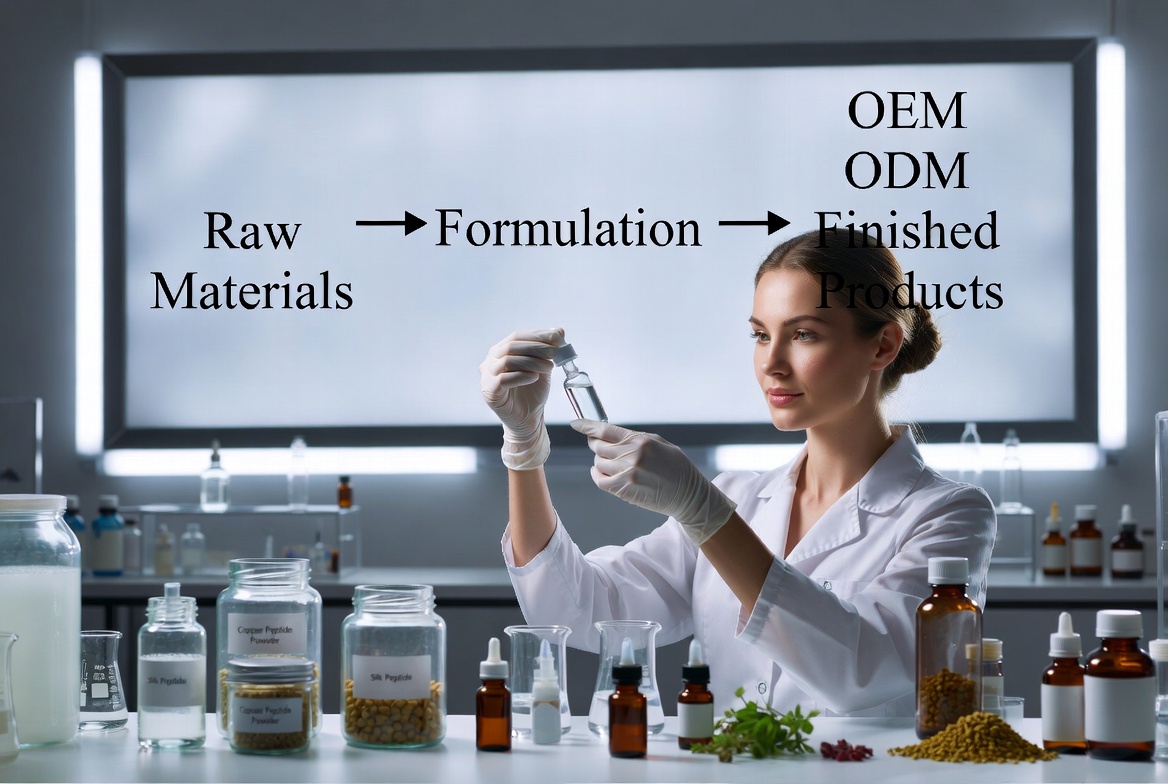
From an OEM/ODM perspective, being able to design full formulas — not just sell raw materials — allows for optimized synergy between signal peptides, structural peptides and plant‑derived actives. This is particularly valuable for B2B customers who want to launch anti‑aging lines quickly but still differentiate on science‑backed performance and sustainable sourcing narratives. [chemicalbook]
From an industry formulator's viewpoint, the decision between copper peptide powder and silk peptide should start with target consumer and claim hierarchy. If the main promise is "deep wrinkle repair," "dermal remodeling" or "post‑procedure support," a signal peptide such as copper peptide is strategically essential because it addresses underlying tissue changes. [pmc.ncbi.nlm.nih]
If the positioning emphasizes "silky texture," "instant smoothness," "makeup‑ready skin" or "comfortable anti‑aging for sensitive skin," structural peptides like silk peptide become more central. In many advanced anti‑aging ranges, brands intentionally pair both classes: copper peptide as the biological driver and silk peptide as the sensorial and barrier‑supporting partner, a combination that aligns well with premium price points and consumer expectations for fast and long‑term results. [pmc.ncbi.nlm.nih]
In the global cosmeceutical market, copper peptides are frequently highlighted in blue‑tinted serums and concentrates that communicate science, regeneration and clinical‑style performance. These are typically marketed to experienced skincare users, often in the 30–60 age bracket, who already understand actives like retinoids and acids and are now seeking less irritating but still potent alternatives. [pmc.ncbi.nlm.nih]
Silk peptide, by contrast, appears across a broader range of categories, from facial creams and sleeping masks to hair conditioners and hand creams, where its softness, shine and non‑sticky film‑forming properties are major selling points. For contract manufacturers providing OEM/ODM services, offering both peptide types enables the creation of entire ranges — for example, a copper peptide night repair serum plus a silk peptide day cream — under one unified anti‑aging story. [zhenyibio]
When briefing an OEM/ODM partner, brand owners should translate their positioning into clear peptide choices and usage levels. For copper peptide powder, the formulator will typically focus on water‑based phases, compatible chelators if needed, and pH ranges that balance stability with skin comfort; packaging choices such as opaque bottles can further protect peptide integrity. [pmc.ncbi.nlm.nih]
For silk peptide, the focus will be on optimizing film feel, compatibility with emulsifiers and humectants, and ensuring the final formula avoids tackiness while maintaining sufficient deposition on the skin. In both cases, working with a manufacturer experienced in peptide processing and botanical actives, like ZHENYIBIO, allows brands to align ingredient technology with natural storytelling and sustainability expectations in international markets. [zhenyibio]
| Aspect | Copper Peptide Powder (Signal Peptide) | Silk Peptide (Structural Peptide) |
|---|---|---|
| Primary function | Dermal signaling for collagen, elastin and ECM remodeling (pmc.ncbi.nlm.nih) | Film‑forming, smoothing and barrier support at the skin surface (pmc.ncbi.nlm.nih) |
| Main anti‑wrinkle benefit | Deep wrinkle repair via improved dermal structure (pmc.ncbi.nlm.nih) | Visual softening of lines via hydration and texture improvement (pmc.ncbi.nlm.nih) |
| Best product formats | Serums, ampoules, eye treatments, post‑procedure care (pmc.ncbi.nlm.nih) | Creams, lotions, masks, primers, hair and hand care (pmc.ncbi.nlm.nih) |
| Ideal target consumer | Mature or photo‑damaged skin seeking high‑performance actives (pmc.ncbi.nlm.nih) | Consumers prioritizing comfort, instant smoothness and sensorial luxury (pmc.ncbi.nlm.nih) |
| Onset of effect | Gradual but cumulative improvements in firmness and elasticity (pmc.ncbi.nlm.nih) | Immediate smoothing and softness, supportive long‑term hydration (pmc.ncbi.nlm.nih) |
| Sensitivity profile | Generally well‑tolerated; monitor levels in very sensitive skin (pmc.ncbi.nlm.nih) | Typically mild; check for rare silk‑related sensitivities (pmc.ncbi.nlm.nih) |
| Storytelling angle | High‑tech, bioactive, clinically inspired cosmeceutical ingredient (pmc.ncbi.nlm.nih) | Natural‑derived, elegant, "second‑skin" protective veil (pmc.ncbi.nlm.nih) |
ZHENYIBIO TECHNOLOGY INC is a high‑tech enterprise dedicated to natural plant active cosmetic raw materials, including peptides and liposomes, located in Xi'an's high‑tech district and serving global cosmetic brands, wholesalers and manufacturers. With a portfolio covering cosmetic peptides, plant‑derived actives and fermentation‑driven ingredients, the company can design complete OEM/ODM solutions that strategically combine signal peptides like copper peptide with structural peptides such as silk peptide. [chemicalbook]
By integrating raw material production, quality control and formulation development, ZHENYIBIO helps partners build science‑backed anti‑aging lines that meet international standards for stability, safety and performance. This is particularly important for B2B clients who want to differentiate in crowded anti‑aging categories through credible peptide technology and sustainable, plant‑forward positioning. [zhenyibio]
For brand owners and product developers planning a deep wrinkle repair launch, a structured decision process can maximize both efficacy and storytelling:
1. Define the hero claim (e.g., "deep wrinkle repair," "post‑procedure recovery," "instant smoothing"). [pmc.ncbi.nlm.nih]
2. Select the peptide class accordingly: copper peptide powder for signaling and deep remodeling, silk peptide for structural support and sensorial enhancement. [pmc.ncbi.nlm.nih]
3. Decide whether a dual‑peptide strategy (signal + structural) fits your price point and positioning, especially for premium ranges. [pmc.ncbi.nlm.nih]
4. Brief your OEM/ODM partner on target region regulations, texture preferences and packaging, so peptide stability and user experience are balanced from the start. [chemicalbook]
5. Plan for marketing content that clearly explains why your formula uses signal peptides vs. structural peptides, reinforcing your brand's authority and transparency. [pmc.ncbi.nlm.nih]
By following these steps with an experienced peptide manufacturer like ZHENYIBIO, brands can move beyond generic "peptide creams" to evidence‑based anti‑aging systems that resonate with educated consumers and professional buyers alike. [zhenyibio]
Q1: Can copper peptide and silk peptide be used in the same formula?
Yes, many advanced anti‑aging formulas successfully combine copper peptide and silk peptide, using copper peptide for dermal signaling and silk peptide for immediate smoothing and enhanced sensorial properties. [pmc.ncbi.nlm.nih]
Q2: Which peptide is better for very sensitive or post‑procedure skin?
Silk peptide is often better tolerated immediately post‑procedure because of its mild, film‑forming and soothing properties, while copper peptide can be introduced gradually once the barrier is more stable. [pmc.ncbi.nlm.nih]
Q3: How long does it take to see results from copper peptide in deep wrinkle repair?
Visible improvements in firmness and deep wrinkles typically require consistent use over several weeks to months, as copper peptides work by gradually remodeling collagen and the extracellular matrix. [pmc.ncbi.nlm.nih]
Q4: Are silk peptides effective enough for mature, deeply wrinkled skin on their own?
Silk peptides can significantly improve hydration and surface smoothness, which visually softens lines, but for pronounced deep wrinkles, combining them with signal peptides like copper peptides or other dermal‑level actives is generally more effective. [pmc.ncbi.nlm.nih]
Q5: What should brands look for when sourcing copper peptide powder or silk peptide from OEM/ODM partners?
Brands should prioritize suppliers that provide detailed specifications, stability and safety data, regulatory documentation and formulation support, ensuring that peptide quality and performance align with their target claims and markets. [chemicalbook]
1. ZHENYIBIO TECHNOLOGY INC – Company profile and business scope. Available at: [https://www.chemicalbook.com/manufacturer/zhenyibio-technology-598]
2. ZHENYIBIO – Cosmetic peptide product information. Available at: [https://www.zhenyibio.com/cosmetic-peptide.html]
3. Applications of bioactive peptides in cosmeceuticals: a review. Available at: [https://pmc.ncbi.nlm.nih.gov/articles/PMC12219483]