Views: 220 Author: ZHENYIBIO Publish Time: 2026-08-20 Origin: Site
Content Menu
● Why Vitamin C Serum Stability Matters
● Hydroxytyrosol vs. Ferulic Acid at a Glance
>> Hydroxytyrosol's Formulation Advantages
>> Hydroxytyrosol's Key Development Considerations
>> Why Ferulic Acid Works Well With Vitamin C
● Stability Comparison in High-Potency Vitamin C Serums
● A Formulator's Decision Framework
>> 1. Which Form of Vitamin C Will You Use?
>> 2. What Is the Required Product Shelf Life?
>> 3. Which Packaging Protects the Formula?
>> 4. What Is the Sensory Target?
>> 5. What Claims Can Be Properly Supported?
● Expert Insight: Antioxidant Synergy Is a System, Not a Single Ingredient
● How to Develop a Reliable Vitamin C Serum
● Partner With ZHENYIBIO for Vitamin C Innovation
>> Is hydroxytyrosol better than ferulic acid for vitamin C serum?
>> Can hydroxytyrosol and ferulic acid be used together?
>> What percentage of ferulic acid is common in vitamin C serums?
>> Does ferulic acid make vitamin C serum more stable?
>> Is hydroxytyrosol suitable for sensitive-skin vitamin C products?
>> Which packaging is best for high-potency vitamin C serum?
High-potency vitamin C serums are among the most technically demanding skincare formats to develop. L-ascorbic acid can deliver strong antioxidant and brightening performance, but it is inherently vulnerable to oxidation caused by oxygen, light, heat, water activity, and trace metals. For formulators evaluating hydroxytyrosol vs. ferulic acid, the key question is not simply which antioxidant is "stronger." It is which active can best support vitamin C stability, consumer experience, product positioning, and measurable skin benefits in the intended formula.
At ZHENYIBIO TECHNOLOGY INC, we view botanical actives through both a traditional plant-science lens and a modern formulation lens. Hydroxytyrosol and ferulic acid are both high-value plant-derived antioxidants, yet they play different strategic roles in high-potency vitamin C serums. Ferulic acid has a well-established position as a synergistic stabilizer in acidic vitamin C and vitamin E systems. Hydroxytyrosol offers a compelling route for brands seeking olive-derived antioxidant storytelling, broad free-radical defense, and next-generation multi-antioxidant concepts.
This guide compares hydroxytyrosol and ferulic acid across stability, compatibility, sensory considerations, formulation pathways, and commercial application.

A vitamin C serum is only as effective as the vitamin C remaining active when the consumer applies it. L-ascorbic acid is especially challenging because it can oxidize during manufacturing, filling, storage, shipping, and daily consumer use.
When oxidation progresses, a serum may show:
- Color change, often shifting from clear or pale yellow to orange or brown
- Reduced active potency over time
- Changes in odor or formula appearance
- Lower consistency between early and late use
- Higher risk of consumer dissatisfaction and product returns
A well-designed antioxidant system does more than make a marketing claim. It helps protect formula performance throughout its intended shelf life.
For brands, this changes the selection process. The decision between hydroxytyrosol and ferulic acid should account for the active's antioxidant behavior, solubility, pH tolerance, compatibility with vitamin C, packaging, target market, and substantiation plan.
| Attribute | Hydroxytyrosol | Ferulic Acid |
|---|---|---|
| Primary botanical association | Olive fruit, olive leaf, olive-processing by-products | Rice bran, wheat, oats, corn and many plant cell walls |
| Antioxidant profile | Highly reactive phenolic antioxidant with strong radical-scavenging potential | Phenolic antioxidant with proven use in vitamin C + vitamin E systems |
| Role in vitamin C serum | Multi-antioxidant support active and botanical differentiation ingredient | Classic vitamin C stabilizing and photoprotection-support ingredient |
| Best positioning | Olive biotechnology, upcycled botanical value, premium antioxidant defense | Proven antioxidant trio, high-potency L-ascorbic acid systems |
| Formulation focus | Solubility, discoloration control, oxidation management, delivery strategy | Low-pH compatibility, solubilization, vitamin E synergy, crystallization control |
| Evidence maturity in topical C systems | Emerging and formulation-dependent | Well documented for L-ascorbic acid + α-tocopherol combinations |
| Consumer story | Olive polyphenol innovation and gentle high-performance antioxidant care | Clinically recognized antioxidant support for daily environmental exposure |
Bottom line: Ferulic acid remains the more established choice when the core brief is a classic high-potency L-ascorbic acid plus vitamin E serum. Hydroxytyrosol is a differentiated option for brands building advanced antioxidant systems, especially when olive-derived origin, circular sourcing, and botanical fermentation expertise are central to the product concept.
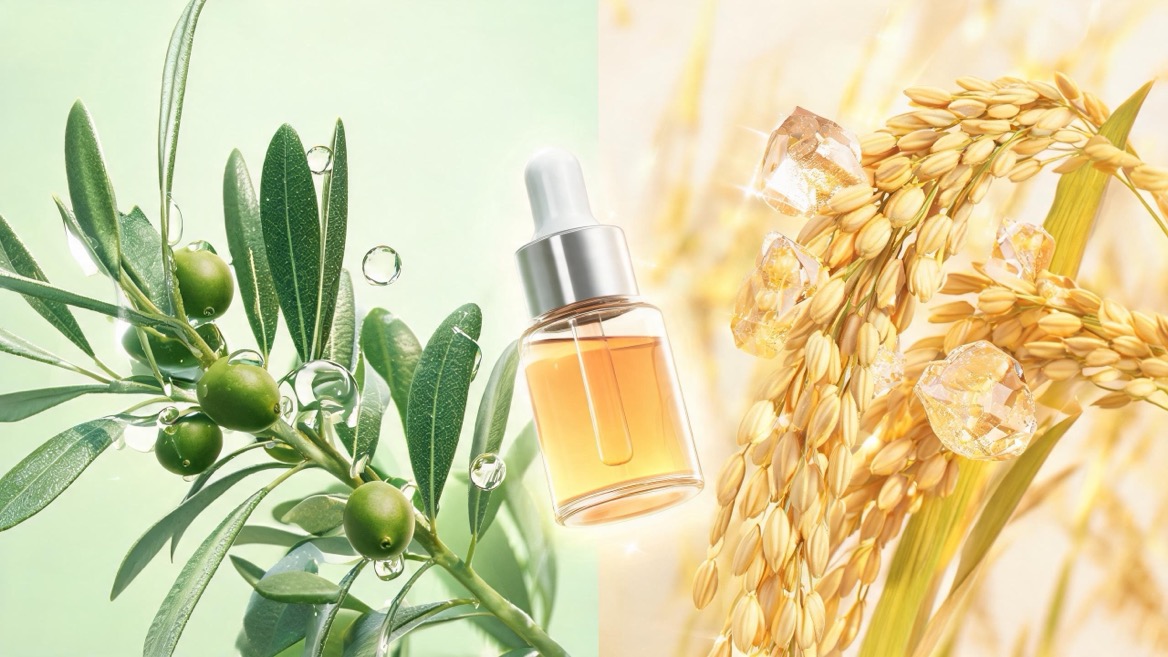
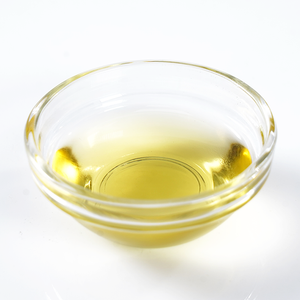
Hydroxytyrosol is a small phenolic compound naturally associated with olives and olive-derived materials. It is known for its antioxidant activity and has attracted increasing attention in cosmetic, nutraceutical, and biotechnology applications.
From a product-development perspective, hydroxytyrosol is interesting because it can support a modern "multiple defense pathways" concept. Rather than relying on one antioxidant alone, a developer may use hydroxytyrosol alongside vitamin C derivatives, vitamin E, chelators, botanical extracts, or encapsulated actives.
Hydroxytyrosol can be valuable where a brand needs more than a conventional vitamin C formula.
- Strong botanical identity: Olive-derived actives support a recognizable premium story.
- Low-use-level potential: Its antioxidant activity can make it suitable for concentrated formulations, subject to stability and safety validation.
- Compatibility with innovation platforms: It can fit water-based serums, hydrogels, emulsions, and delivery-enhanced systems.
- Sustainability potential: Olive-processing side streams may offer a route to value-added active development when responsibly sourced and purified.
- Multi-antioxidant relevance: It can complement a broader antioxidant architecture rather than functioning as a standalone claim ingredient.
A 2024 formulation study evaluated hydroxytyrosol in cream and hydrogel systems and found that combining it with 3-O-ethyl-L-ascorbic acid helped prevent discoloration during extended high-temperature storage. The study also reported that multi-antioxidant combinations were particularly useful for delaying degradation. This is relevant for brands designing more stable, lower-irritation vitamin C derivative formulas rather than relying solely on high percentages of low-pH L-ascorbic acid.
Hydroxytyrosol should not be treated as an automatic replacement for ferulic acid in every serum. Its real-world performance depends on the complete formula.
Important factors include:
- Active purity and standardization
- Source traceability
- pH of the finished serum
- Water activity and oxygen exposure
- Compatibility with fragrance, colorants, and botanical extracts
- Packaging system
- Heat and freeze-thaw stability
- Final product color over shelf life
For OEM and ODM projects, this means beginning with a defined technical brief: active form, target claim, expected shelf life, packaging type, intended climate, and target price tier.
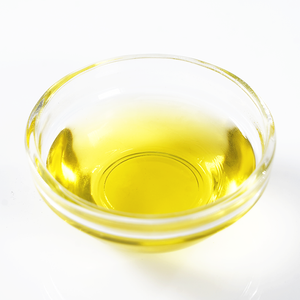
Ferulic acid is a plant-derived phenolic acid commonly found in the cell walls of grains and other plants. In cosmetic formulation, it is best known for its role in antioxidant systems containing L-ascorbic acid and α-tocopherol.
Its reputation is grounded in a widely cited topical study. In that work, adding 0.5% ferulic acid to a solution containing 15% L-ascorbic acid and 1% α-tocopherol improved the chemical stability of vitamins C and E. It also increased photoprotection from approximately fourfold to approximately eightfold under solar-simulated irradiation conditions.
This does not mean every ferulic acid serum will produce identical results. Formula composition, pH, packaging, manufacturing method, raw-material quality, and testing protocol all matter. However, the evidence makes ferulic acid a highly credible benchmark for antioxidant vitamin C serum development.
Ferulic acid is frequently selected because it supports a well-known antioxidant network:
1. L-ascorbic acid provides water-phase antioxidant activity and supports collagen-related skin functions.
2. α-tocopherol contributes lipid-phase antioxidant protection.
3. Ferulic acid improves the stability of the vitamin C and vitamin E system while adding antioxidant support.
This combination is useful because skin and cosmetic systems contain both water- and oil-associated environments. A balanced antioxidant strategy is often more meaningful than placing a very high percentage of one ingredient into a formula without considering how it performs alongside other actives.
For a high-potency L-ascorbic acid serum, ferulic acid currently has the more direct and established support as a vitamin C co-antioxidant. It is especially suitable for products modeled around acidic 10–20% L-ascorbic acid systems.
Hydroxytyrosol has strong potential, but its most compelling role may be in more customized systems: hybrid antioxidant serums, vitamin C derivative formulas, olive-polyphenol concepts, or products designed around ingredient novelty and advanced delivery.
| Formulation Question | Hydroxytyrosol | Ferulic Acid |
|---|---|---|
| Does it have direct evidence supporting L-ascorbic acid + vitamin E stabilization? | Limited compared with ferulic acid | Yes, with landmark topical research |
| Is it useful in a multi-antioxidant formula? | Yes, particularly as a differentiated botanical antioxidant | Yes, especially with vitamins C and E |
| Is it appropriate for vitamin C derivatives? | Promising, particularly with stability-focused systems | Often useful, but must be evaluated for each derivative |
| Can it help a brand stand apart in a crowded market? | Strong potential through olive polyphenol and biotechnology positioning | Differentiation relies more on formula quality, testing, and delivery format |
| Is it a simple "drop-in" ingredient? | No; requires full compatibility and stability work | No; requires solubilization and controlled formula design |
Choose ferulic acid when the product goal is:
- A classic high-potency L-ascorbic acid serum
- A vitamin C + vitamin E + ferulic acid antioxidant platform
- A formulation requiring a strong evidence-led positioning foundation
- A product brief focused on known antioxidant synergy
Choose hydroxytyrosol when the product goal is:
- An olive-derived premium antioxidant serum
- A vitamin C derivative or multi-antioxidant platform
- A sustainability-centered botanical concept
- A formula designed to differentiate beyond the conventional vitamin C trio
- A product that can justify robust stability testing and unique active storytelling
Choose both when the formulation strategy supports it. A carefully engineered formula may pair ferulic acid's established vitamin C synergy with hydroxytyrosol's olive-polyphenol identity. This approach requires disciplined compatibility testing rather than assuming that more antioxidants automatically create better performance.
A common mistake in ingredient selection is starting with a trend rather than a product objective. We recommend evaluating the project through five practical questions.
The choice of vitamin C affects almost every later decision.
- L-ascorbic acid: High performance potential but requires low pH and careful stability management.
- 3-O-ethyl ascorbic acid: Often selected for improved formula flexibility and stability.
- Ascorbyl glucoside, MAP, or SAP: May support gentler product concepts, though conversion, delivery, and claim expectations must be assessed carefully.
Research reviews consistently identify stability and skin delivery as central challenges for topical vitamin C, which is why chemically modified vitamin C forms have been developed.
A serum designed for export must withstand more than laboratory conditions. It may encounter long transit periods, warehouse heat, high humidity, and repeated consumer opening.
A credible stability program should include:
- Real-time storage testing
- Accelerated heat testing
- Freeze-thaw cycles
- Light-exposure evaluation
- Color monitoring
- Odor assessment
- pH monitoring
- Active-content testing by appropriate analytical methods
- Packaging compatibility testing
Packaging is part of the antioxidant system. For high-potency vitamin C serums, the most protective options often include:
- Opaque airless pumps
- Aluminum tubes with suitable internal coatings
- UV-protective containers
- Single-dose capsules or ampoules
- Controlled-headspace filling systems
A clear dropper bottle may support a premium visual appearance, but it can create greater oxygen and light exposure. The best packaging decision balances appearance, cost, filling compatibility, consumer usability, and active protection.
An evidence-led formula still needs to feel elegant on skin. High concentrations of L-ascorbic acid can bring low pH, tackiness, characteristic odor, or sensitivity concerns for some users.
Consider:
- Fast absorption
- Low stickiness
- Limited pilling under sunscreen or makeup
- Controlled color development
- Fragrance-free options for sensitive-skin positioning
- Clear consumer directions for morning use and sun protection
Claims should match the formula, testing method, target market, and regulatory environment. Strong examples include:
- "Helps defend against oxidative stress caused by environmental exposure"
- "Supports a brighter, more even-looking complexion"
- "Helps improve the appearance of dullness"
- "Formulated with a multi-antioxidant complex"
- "Tested for formula stability under defined conditions"
Avoid presenting antioxidant ingredients as medical treatments or making claims that have not been substantiated for the finished product.
In our experience with botanical active concepts, the strongest vitamin C serums are built as systems. The active ingredients matter, but so do the details around them.
A high-performing system may include:
- A suitable vitamin C form at an appropriate concentration
- One or more complementary antioxidants
- Metal-ion management where appropriate
- pH optimization
- Oxygen-conscious manufacturing
- Protective packaging
- Finished-product stability data
- Clear consumer instructions
For example, a brand may develop a 15% L-ascorbic acid serum with vitamin E and ferulic acid for an evidence-led daily antioxidant platform. A second product in the range could use an ethylated vitamin C derivative with hydroxytyrosol and fermented botanical components for consumers seeking a gentler, modern antioxidant serum.
This two-product approach creates clear portfolio segmentation instead of forcing one formula to satisfy every consumer need.
For brands, wholesalers, and contract manufacturing partners, the following workflow helps reduce avoidable development risk.
1. Define the commercial brief. Identify market, target consumer, price point, packaging preference, claim direction, and anticipated climate conditions.
2. Select the vitamin C platform. Decide whether the product should prioritize classic L-ascorbic acid potency, improved derivative stability, or a hybrid approach.
3. Choose the antioxidant architecture. Use ferulic acid for established vitamin C and vitamin E synergy; consider hydroxytyrosol for botanical differentiation, multi-antioxidant support, or olive-derived positioning.
4. Build prototype options. Compare at least two systems rather than assuming the first formula is optimal.
5. Run analytical stability testing. Measure active retention, pH, color, odor, viscosity, and packaging interaction across defined storage conditions.
6. Evaluate user experience. Test spreadability, absorbency, tackiness, layering behavior, and visible residue.
7. Finalize claims and documentation. Align product communication with finished-product data, ingredient documentation, and market requirements.
Hydroxytyrosol and ferulic acid are not interchangeable ingredients. Ferulic acid is the more established partner for high-potency L-ascorbic acid and vitamin E systems. Hydroxytyrosol offers a high-value botanical path for differentiated, modern, and sustainability-oriented antioxidant products.
ZHENYIBIO TECHNOLOGY INC supports brands with plant-active expertise, biotechnology-driven ingredient development, and customized OEM and ODM solutions for global beauty markets. Whether your project calls for a proven vitamin C + E + ferulic acid serum or a next-generation hydroxytyrosol antioxidant concept, our team can help translate your product brief into a differentiated formulation strategy.
Contact ZHENYIBIO to discuss your target vitamin C format, preferred antioxidant system, packaging requirements, and custom formulation goals.
Not universally. Ferulic acid has stronger direct evidence for stabilizing L-ascorbic acid and vitamin E in topical antioxidant systems. Hydroxytyrosol may be more suitable when a brand wants an olive-derived, multi-antioxidant, or differentiated formula concept.
Yes, they can potentially be used together in a carefully designed antioxidant system. However, compatibility, solubility, pH, color stability, sensory performance, and active retention should be tested on the finished formula.
A 0.5% ferulic acid level was used in the well-known study of a 15% L-ascorbic acid and 1% α-tocopherol solution. The right level for a commercial formula depends on the vitamin C form, solvent system, packaging, sensory target, and regional requirements.
Research has shown that ferulic acid improved the chemical stability of vitamins C and E in a topical solution containing 15% L-ascorbic acid and 1% α-tocopherol. Finished-product performance should still be confirmed through stability testing.
Potentially, especially in formulas using more stable vitamin C derivatives or lower-irritation delivery strategies. Sensitivity depends on the whole formula, concentration, pH, fragrance, preservative system, and consumer skin condition, so patch testing and appropriate user studies remain important.
Opaque, low-oxygen packaging such as airless pumps, coated tubes, and single-dose formats can help reduce exposure to light and air. The final choice should be validated with packaging compatibility and stability testing.
1. Lin, F. H., Lin, J. Y., Gupta, R. D., et al. (2005). [Ferulic Acid Stabilizes a Solution of Vitamins C and E and Doubles its Photoprotection of Skin]32491-X/fulltext). *Journal of Investigative Dermatology*, 125(4), 826–832.
2. Farris, P. K. (2022). [A Review of Topical Vitamin C Derivatives and Their Efficacy]. *Journal of Cosmetic Dermatology*.
3. Gasparri, F., et al. (2024). [Hydroxytyrosol Permeability Comparisons and Strategies to Improve Hydroxytyrosol Stability in Formulations]. *Pharmaceutics*.
4. Keen, M. A., & Hassan, I. (2016). [Vitamin E in Dermatology]. *Indian Dermatology Online Journal*.
5. Lopez-Huertas, E., & Fonollá, J. (2017). [Hydroxytyrosol Supplementation Increases Vitamin C Levels In Vivo: A Human Volunteer Trial]. *Redox Biology*, 11, 384–389.
6. Różewicz, D., et al. (2022). [Two Superior Antioxidants: Ferulic Acid and Ascorbic Acid in Reducing Signs of Photoaging—A Split-Face Comparative Study]. *Dermatologic Therapy*.