


Views: 222 Author: ZHENYIBIO Publish Time: 2026-06-16 Origin: Site
Content Menu
● Understanding Highly Branched Cyclic Dextrin (HBCD)
● Understanding Silk Amino Acids
● Bioavailability: What It Means in Liquid Beauty and Recovery Drinks
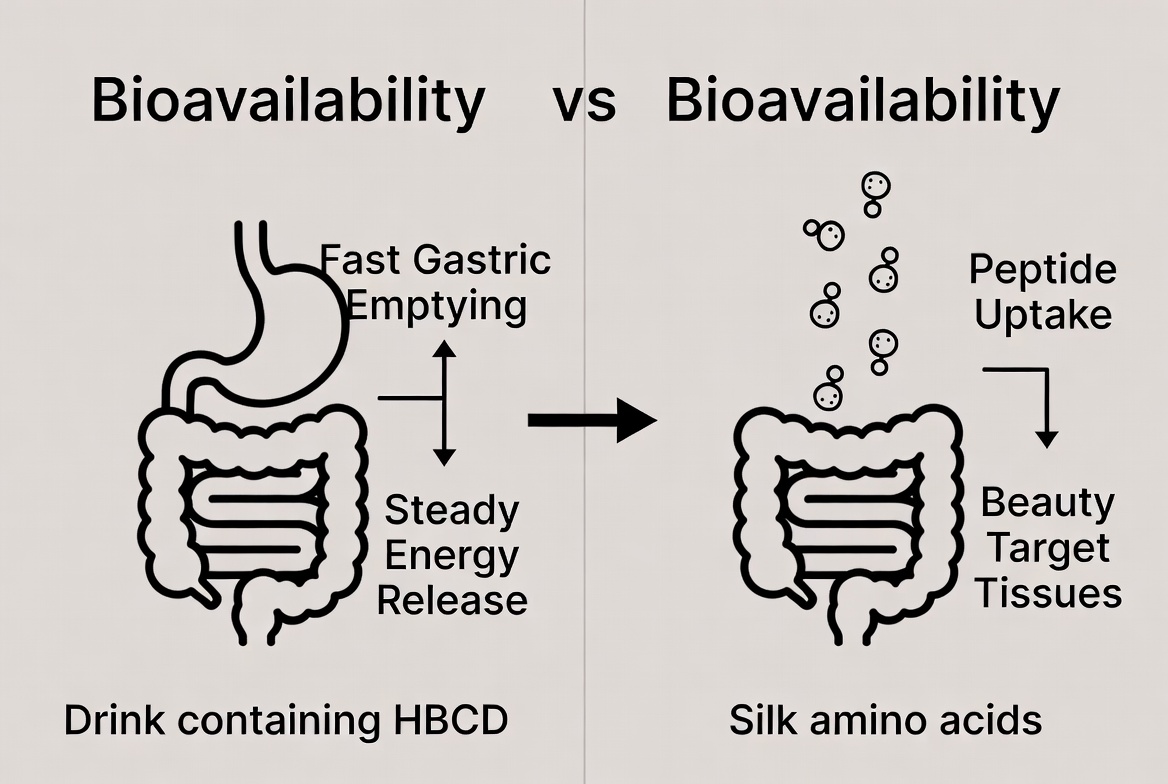
● HBCD vs. Silk Amino Acids: Bioavailability Mechanisms
>> HBCD: Energy Delivery and Gastrointestinal Dynamics
>> Silk Amino Acids: Peptide Absorption and Target Tissues
● Comparing Use Cases: Liquid Beauty Shots vs. Recovery Drinks
● HBCD vs. Silk Amino Acids: Practical Comparison Table
● Expert View: When to Choose HBCD, Silk Amino Acids, or Both
● Integrating Plant-Based Actives and Biotechnologies
● Formulation and UX Checklist for Beauty Shots
● Formulation and UX Checklist for Recovery Drinks
● OEM/ODM Opportunities and Differentiation Strategy
● Practical Steps for Brand Owners
● Frequently Asked Questions (FAQ)
Highly branched cyclic dextrin and silk amino acids are both popular "smart carbs" and peptide-based actives used in liquid beauty shots and recovery drinks, but they behave very differently in terms of bioavailability, formulation behavior, and user experience. For a beauty-nutrition brand working with plant-based actives and modern biotechnologies, understanding these differences is critical when choosing the right hero ingredient or combination strategy. [mztoutiao]
Highly branched cyclic dextrin (HBCD) is a clustered carbohydrate produced by enzymatically converting starch into a highly soluble, low-osmolality dextrin with a cyclic and branched structure. In practical terms, this structure helps HBCD empty from the stomach more smoothly and provide a more sustained carbohydrate release compared with conventional maltodextrin. [gminsights]
Because of its favorable rheology and stability in liquids, HBCD is widely used in sports drinks, recovery beverages, and functional shots where a clean mouthfeel and quick-but-stable energy delivery are desired. For beauty brands, this makes HBCD attractive in "beauty-from-within" tonics that need to deliver energy and support overall metabolic resilience without causing digestive discomfort. [gminsights]

Silk amino acids (sometimes called silk peptides) are low-molecular-weight peptides derived from silk fibroin through hydrolysis. In cosmetics, they are traditionally valued for their film-forming, moisturizing, and conditioning properties in hair and skin care formulas. [news]
When used in beauty drinks and nutricosmetics, silk amino acids are positioned as nutritional peptides that may support skin, hair, and nail health by supplying a specific amino acid profile and potentially influencing collagen-related pathways. Because they are water-soluble and compatible with many plant-based actives, silk amino acids can be integrated into liquid beauty shots as a functional protein-fragment component, especially in synergy with botanical extracts and fermented ingredients. [bk.cnpharm]
Bioavailability describes how much of an ingested substance actually reaches systemic circulation and becomes available for use in the body. For liquid beauty shots and recovery drinks, bioavailability is a key metric because consumers expect visible beauty benefits or measurable performance improvements from relatively small volumes. [bk.cnpharm]
Bioavailability is influenced by several factors:
- Molecular size and structure (e.g., peptides vs. polysaccharides)
- Solubility and stability in the liquid matrix
- Digestive and transport mechanisms in the gut
- Interactions with other ingredients, such as plant polyphenols or fermented actives
In essence, even the most sophisticated active is ineffective if it cannot be absorbed, transported, and utilized efficiently. [bk.cnpharm]
HBCD is not a micronutrient but a functional carbohydrate, so its "bioavailability" is typically discussed in terms of energy utilization and gastric emptying, rather than receptor-level interactions. [gminsights]
Key points on HBCD bioavailability:
- Low osmolality: HBCD solutions exert lower osmotic pressure than conventional carbohydrates at equivalent concentrations, which is associated with faster gastric emptying and reduced gastrointestinal discomfort. [gminsights]
- Stable blood glucose response: HBCD tends to produce a more gradual rise in blood glucose, supporting steady energy release during and after exercise. [gminsights]
- Compatibility with electrolytes and actives: Its relatively stable structure makes HBCD suitable for complex formulations (e.g., with electrolytes, plant extracts, or peptides) without excessive viscosity or precipitation. [gminsights]
For recovery drinks, this means HBCD can rapidly leave the stomach, deliver usable carbohydrate energy, and support post-exercise glycogen replenishment in a controlled way. [gminsights]
Silk amino acids are short peptides and free amino acids, which are generally well-absorbed in the small intestine via established peptide transporters and amino acid transport systems. [mztoutiao]
Key points on silk amino acid bioavailability:
- Peptide-based absorption: Small peptides can be absorbed intact or broken down into individual amino acids, enabling efficient uptake through intestinal transporters. [bk.cnpharm]
- Systemic circulation and tissue distribution: Once absorbed, these amino acids and peptides contribute to systemic amino acid pools, potentially supporting collagen synthesis, keratin formation, and antioxidant pathways relevant for skin and hair health. [bk.cnpharm]
- Synergy with other actives: Silk amino acids can act as carriers or co-factors, enhancing the penetration and stability of some plant-derived actives in cosmetic and ingestible formulations. [news]
In liquid beauty shots, silk amino acids target beauty-related outcomes more directly than HBCD, which primarily provides energy and metabolic support. [bk.cnpharm]
For liquid beauty shots, the focus is on skin glow, elasticity, hydration, and hair/nail strength. [news]
- Silk amino acids play a central role by delivering bioavailable peptides that can support structural proteins in skin and hair. [bk.cnpharm]
- HBCD may serve as a functional carrier carb, providing palatability, mouthfeel, and energy while helping stabilize other sensitive actives (such as fermented plant extracts or vitamins). [mztoutiao]
- From a user experience perspective, a beauty shot formulated with silk amino acids + plant-based actives + gentle carbohydrates can feel light, clean, and less sugary, while still providing functional energy. [mztoutiao]
For recovery drinks, the primary goal is replenishing energy and supporting muscle repair, often immediately after exercise. [gminsights]
- HBCD is the core ingredient in many high-performance formulations thanks to its rapid gastric emptying, steady energy release, and low GI distress profile. [gminsights]
- Silk amino acids can be added as supportive peptides, but they will complement rather than replace branched-chain amino acids, complete protein, or collagen peptides in this context. [bk.cnpharm]
- In intense training scenarios, HBCD delivers clear functional benefits, while silk amino acids may contribute additional recovery and skin-hair benefits, making the drink more relevant to beauty-conscious athletes. [bk.cnpharm]
Key Functional Differences for Formulators
| Dimension | Highly Branched Cyclic Dextrin | Silk Amino Acids |
|---|---|---|
| Core function | Functional carbohydrate for energy and glycogen support (gminsights) | Peptide-based functional active for skin, hair, and nail support (mztoutiao) |
| Primary bioavailability pathway | Gastrointestinal digestion to glucose, uptake into blood as carbohydrate energy (gminsights) | Peptide and amino acid absorption via intestinal transporters (bk.cnpharm) |
| Key benefit in drinks | Fast gastric emptying, stable energy release, low GI discomfort (gminsights) | Targeted beauty benefits, moisture and structural protein support (mztoutiao) |
| Ideal application focus | Recovery drinks, sports hydration, performance beverages (gminsights) | Liquid beauty shots, nutricosmetics, hybrid beauty-recovery drinks (mztoutiao) |
| Compatibility with plant actives | High; stable, low-viscosity base for botanical and fermented actives (mztoutiao) | High; enhances sensory profile and complements botanicals and ferments (mztoutiao) |
| Sensory impact | Neutral taste, smooth mouthfeel, good solubility (gminsights) | Slightly proteinaceous note, can add body and softness to liquids (mztoutiao) |
| Regulatory perception | Typically classified as carbohydrate ingredient in food/functional drinks (gminsights) | Often treated as cosmetic active or functional food ingredient, depending on market (mztoutiao) |
From an industry practitioner and ingredient manufacturer perspective, decision-making should be use-case driven and grounded in evidence-based formulation. [mztoutiao]
Choose HBCD as the primary active when:
- Your product is positioned as a post-workout recovery drink or performance-support beverage.
- You need to minimize GI discomfort while delivering moderate-to-high carbohydrate loads.
- The marketing message emphasizes energy, endurance, and metabolic resilience more than direct beauty claims. [gminsights]
Choose silk amino acids as the primary active when:
- The core positioning centers on "liquid beauty," "skin glow," or "hair & nail nutrition".
- You aim to deliver peptide-based benefits with a premium, science-backed story.
- The formulation integrates botanical extracts, fermented actives, or plant-based antioxidants, and you need a compatible peptide partner. [mztoutiao]
Combine HBCD and silk amino acids when:
- Building a hybrid "beauty + performance" concept, such as beauty recovery tonics for active consumers.
- You want to balance immediate perceived energy (from HBCD) with longer-term beauty benefits (from silk amino acids and plant actives).
- The product is positioned for global markets where multi-benefit, clean-label, and plant-forward formulations are gaining traction. [news]
For a company specializing in natural plant actives and modern fermentation, the real differentiation lies in how HBCD or silk amino acids are combined with botanicals and bio-fermented ingredients. [news]
Strategic integration ideas:
- Bi-fermented plant actives + silk amino acids in beauty shots to support skin barrier, microbiome balance, and antioxidant defenses.
- HBCD + plant-based adaptogens (e.g., adaptogenic herbs) in recovery drinks to support stress resilience and post-exercise homeostasis. [i.ifeng]
- Hybrid formulations using HBCD as a carrier matrix for sensitive phytoactives produced via fermentation, enhancing stability and palatability. [bk.cnpharm]
This approach aligns with global sustainability and "clean science" trends, where plant-origin actives, bio-fermentation, and evidence-based formulations are increasingly prioritized by both regulators and consumers. [news]
From a user experience and UX-writing perspective, a liquid beauty shot should be clear in benefits, pleasant to consume, and easy to integrate into daily routines. [bk.cnpharm]
1. Define a clear hero story
- Position silk amino acids as the hero beauty peptide, with HBCD or other gentle carbs as supporting structure.
- Highlight plant-based and fermented co-actives as the differentiating technology layer. [mztoutiao]
2. Optimize mouthfeel and taste
- Use HBCD to achieve a smooth, non-sticky texture, especially in low-volume shots.
- Calibrate flavor with natural plant-derived flavors and botanical extracts to support the "natural but high-tech" narrative. [mztoutiao]
3. Focus on perceived efficacy
- Design dosage and regimen (e.g., once-daily 50–100 ml shot) to align with clinical or pre-clinical data where available.
- Communicate expected timelines (e.g., visible skin glow after 4–8 weeks) transparently, based on evidence. [gminsights]
For recovery drinks, user expectations revolve around performance, comfort, and convenience. [gminsights]
1. Carbohydrate strategy
- Use HBCD as the primary carbohydrate backbone, especially in high-intensity and endurance positioning.
- Combine with electrolytes, B-vitamins, and plant-derived antioxidants to create a complete recovery profile. [mztoutiao]
2. Beauty-performance hybrid positioning
- Add silk amino acids and plant actives to differentiate from standard sports drinks, targeting beauty-focused consumers who train regularly. [news]
- Highlight dual benefits (e.g., "energy recovery + complexion support") in product copy and UX content. [bk.cnpharm]
3. Comfort and tolerability
- Leverage HBCD's low osmolality to reduce bloating and discomfort, especially when consumed immediately post-exercise.
- Test different concentrations to ensure fluidity and fast drinkability, even for users with sensitive digestion. [gminsights]
From the perspective of a high-tech OEM/ODM manufacturer in natural plant-based actives, there is a strong opportunity to co-develop customized HBCD–silk amino acid systems for global brands. [mztoutiao]
Potential differentiation levers:
- Region-specific plant actives (e.g., traditional Asian botanicals) combined with modern fermentation to create signature complexes for beauty or performance. [news]
- Evidence-backed claims via in vitro, ex vivo, or small-scale human studies focusing on bioavailability, antioxidant capacity, and skin or performance endpoints. [bk.cnpharm]
- Sustainability narratives, leveraging plant-origin feedstocks, biotechnological manufacturing, and reduced reliance on petrochemical ingredients. [sohu]
By offering modular formulation platforms—for example, a "Beauty Shot Base" with silk amino acids and fermented botanicals, and a "Recovery Base" with HBCD and adaptogens—an OEM/ODM partner can support rapid brand innovation across multiple markets. [bk.cnpharm]
To translate this comparison into actionable decisions, brand owners can follow a structured process.
Step 1: Clarify positioning
- Decide if the hero benefit is beauty-first, performance-first, or hybrid.
- Align this with target consumers (e.g., beauty enthusiasts, athletes, busy professionals). [gminsights]
Step 2: Choose the core active architecture
- Beauty-first: Silk amino acids + plant/fermented actives + light carbohydrate (optional HBCD).
- Performance-first: HBCD + electrolytes + performance botanicals, optional silk amino acids for added beauty benefits. [mztoutiao]
Step 3: Validate bioavailability and stability
- Use in vitro digestion models and stability testing to ensure actives remain bioavailable in the final drink.
- Optimize pH, temperature, and packaging to protect sensitive plant actives and peptides. [bk.cnpharm]
Step 4: Design UX and storytelling
- Craft clear front-of-pack messages (e.g., "Highly bioavailable beauty peptides with plant-fermented actives" or "Low-osmolality recovery drink with plant-powered resilience").
- Provide simple usage guidance (when to drink, how often, with or without food) to maximize real-world outcomes. [gminsights]
If your brand is exploring next-generation liquid beauty shots or recovery drinks, collaborating with a plant-active, fermentation-driven OEM/ODM allows you to:
- Compare and test HBCD vs. silk amino acid systems in real formulations.
- Integrate regionally unique botanicals and bio-fermented actives for a truly differentiated product story.
- Build data-backed claims around bioavailability, efficacy, and user experience that align with global regulatory expectations.
To move from concept to launch, consider initiating a pilot project focused on one beauty shot and one recovery drink, each leveraging our natural plant-based and biotechnological strengths for your target market.
1. Can HBCD and silk amino acids be used in the same product?
Yes, they can co-exist in the same formulation, with HBCD providing energy and improved drinkability while silk amino acids deliver peptide-based beauty benefits. [bk.cnpharm]
2. Are silk amino acids suitable for vegan-positioned products?
Silk amino acids are derived from silk, which is not considered vegan in most markets. For fully vegan positioning, brands often choose plant-derived peptides and amino acids instead. [news]
3. Does HBCD raise blood sugar more than regular sugar?
HBCD is still a carbohydrate and contributes to blood glucose, but its lower osmolality and unique structure lead to more gradual energy release compared with some conventional carbs. [gminsights]
4. Are silk amino acids proven to improve skin and hair?
Silk amino acids are backed by in vitro and cosmetic-level evidence for moisturizing and conditioning effects, and are increasingly studied in nutricosmetic contexts, though regulatory-compliant claims depend on specific formulations and data. [mztoutiao]
5. How do plant-based and fermented actives enhance these systems?
Plant-based and fermented actives provide antioxidants, polyphenols, and microbiome-friendly components that can complement both HBCD and silk amino acids, supporting overall skin, hair, and recovery outcomes while aligning with sustainability trends. [news]
1. Global Market Insights – Botanical Extracts Market Trends and Applications in Functional Foods and Beverages. https://www.gminsights.com/zh/industry-analysis/botanical-extracts-market
2. 迈哲冷知识 – 化妆品原料提取四大主流技术,谁将主导未来? https://www.mztoutiao.com/index/index/wenzhang.html?id=2250
3. 新华网 – 化妆品植物原料花式上新 “中国成分”突围战升级. http://www.news.cn/fashion/20240802/2e455b2ad85e45b09bf7883916aa72e9/c.html
4. 凤凰网 – 新颖的护肤原料与技术,正突破皮肤微生态赛道边界? https://i.ifeng.com/c/8dWMJ6xDGuh
5. 中国医药报 – 科技加持 化妆品原料生物制造美梦成真. http://bk.cnpharm.com/zgyyb/2024/03/14/app_316591.html
6. Global Market Insights – Overview of functional carbohydrate applications in health and sports nutrition. https://www.gminsights.com


