Views: 222 Author: ZHENYIBIO Publish Time: 2026-06-08 Origin: Site
Content Menu
● What "Hypoxia‑Resistant Skincare" Really Means
● Salidroside: Plant‑Derived Adaptogen Tailored for Stressed Skin
>> Origin and adaptogenic profile
>> Skin‑focused benefits relevant to hypoxia
>> Sustainability and regulatory‑friendly positioning
● Dimethylglycine (DMG): Metabolic Support With Indirect Cosmetic Potential
● Direct Comparison: Salidroside vs. DMG for Hypoxia‑Resistant Skincare
>> Functional comparison for formulators
● From Lab Data to Real‑World Skincare Systems
>> How salidroside behaves in finished formulas
>> Where DMG realistically fits
● ZHENYIBIO's Expert View: Designing Adaptogenic, Hypoxia‑Resistant Formulas
● Practical Formulation Guidelines for Brands and OEM Clients
● Why Salidroside Is the Strategic Choice Over DMG
● How ZHENYIBIO Supports Salidroside‑Centric OEM/ODM Projects
● Call to Action for Formulators, Brand Owners and Distributors
● FAQ
Salidroside and dimethylglycine (DMG) are both positioned as adaptogenic-style actives, but they behave very differently once you embed them into hypoxia‑resistant skincare systems. From a formulator and brand strategy perspective, salidroside is the more targeted, skin‑ready choice, while DMG tends to play a supporting or niche role in oxygen‑related concepts rather than a primary cosmetic hero. [lesaffre]
Hypoxia describes a state of reduced oxygen at the cellular level, which is increasingly recognized as a driver of premature aging, barrier dysfunction and dullness in skin. Urban pollution, UV, poor microcirculation and lifestyle stress all contribute to localized skin hypoxia and chronic oxidative stress. [pmc.ncbi.nlm.nih]
In recent skin biology literature, hypoxia signaling through HIF (hypoxia‑inducible factors) is linked to metabolic adaptation, inflammation and extracellular matrix remodeling in epidermal and dermal cells. This has triggered a new generation of "self‑oxygenating" and oxygen‑modulating biomaterials that aim to buffer transient hypoxia rather than simply deliver external oxygen. [academia]
For a brand, this translates into a clear positioning territory: "urban stress", altitude, post‑procedure recovery, and tired‑looking skin—segments where hypoxia‑targeted actives like salidroside can be credibly framed as central to resilience and repair. [lesaffre]
Salidroside is the main bioactive adaptogen isolated from Rhodiola roots, a high‑altitude plant used in traditional systems to increase resistance to physical and mental stress. Modern technical reviews classify salidroside as a multifunctional adaptogen that modulates cellular stress pathways, including AMPK, Nrf2 and SIRT1/FOXO3α, to maintain homeostasis under environmental and metabolic load. [benchchem]
In skin, this signaling translates into enhanced mitochondrial function, antioxidant defense and protection against stress‑induced damage, aligning perfectly with hypoxia‑resilience narratives for cosmetics. [academia]
Recent cosmetic‑grade salidroside ingredients produced via precision fermentation have generated proof‑of‑concept data in several hypoxia‑linked domains. Key reported functions include: [lesaffre]
- Reducing cortisol in skin tissue, limiting stress‑induced oxidative damage and barrier impairment. [lesaffre]
- Preserving mitochondrial resilience and cellular energy under repeated stress. [benchchem]
- Decreasing inflammatory mediators and preventing collagen degradation, supporting firmness and elasticity. [academia]
- Aiding barrier defense against environmental aggressors, which exacerbates hypoxia and ROS overload. [pmc.ncbi.nlm.nih]
Rhodiola extracts and salidroside have also been associated with improved wound healing, reduced transepidermal water loss and potential skin‑brightening effects, further broadening their anti‑aging and recovery use cases. [academia]
Fermented salidroside avoids over‑harvesting of Rhodiola roots and offers consistent purity, solving a classic supply‑chain challenge for natural actives. For global brands under pressure to decarbonize and derisk sourcing, this enables a clean story: "lab‑fermented plant intelligence" with traceable quality, compatible with modern INCI transparency. [zhenyi-cos]
As a manufacturer specialized in natural plant‑active cosmetic ingredients, ZHENYIBIO can integrate salidroside into broader antioxidant, whitening and sensitive‑skin portfolios, aligning it alongside glutathione, hyaluronic acid, peptides and polyglutamic acid in complex systems. [chemicalbook]

Dimethylglycine (DMG) is a small amino acid derivative involved in methyl group transfer and cellular metabolism; it has been investigated primarily as a nutraceutical for performance, immunity and oxygen utilization, not as a mainstream cosmetic active. Unlike salidroside, DMG does not originate from a traditional adaptogenic botanical, and its adaptogenic label in the beauty space is largely extrapolated from systemic, not topical, data. [advanced.onlinelibrary.wiley]
Because DMG participates in metabolic pathways associated with energy production and, in some models, oxygen uptake, it is sometimes discussed in the context of improved tolerance to low‑oxygen conditions in sports or systemic physiology. Translating this to topical skincare remains speculative, with limited peer‑reviewed evidence for direct cosmetic outcomes such as wrinkle reduction or barrier strengthening when used in formulations. [advanced.onlinelibrary.wiley]
In advanced biomaterials research, oxygen‑supplementing systems are emerging as a strategy to alleviate local hypoxia, but these platforms rely more on peroxides, oxygen‑releasing carriers or catalytic materials than on DMG itself. For a skincare brand, this means DMG is better framed as an optional co‑factor in a broader metabolic‑support complex rather than a stand‑alone hero for hypoxia‑resistant positioning. [pmc.ncbi.nlm.nih]
| Aspect | Salidroside in skincare | Dimethylglycine (DMG) in skincare |
|---|---|---|
| Origin | Plant‑derived adaptogen from Rhodiola, often fermented for cosmetics (lesaffre) | Synthetic or nutraceutical‑grade amino acid derivative (pmc.ncbi.nlm.nih) |
| Core positioning | Anti‑stress, anti‑aging, hypoxia‑resilient skin protector (lesaffre) | Metabolic co‑factor with indirect oxygen‑utilization rationale (pmc.ncbi.nlm.nih) |
| Primary mechanisms | AMPK, Nrf2, SIRT1/FOXO3α, inflammation modulation, mitochondrial support (academia) | Methylation and energy metabolism support at systemic level; limited topical data (pmc.ncbi.nlm.nih) |
| Skin‑relevant evidence | Data on cortisol reduction, barrier support, anti‑inflammatory and anti‑aging effects (lesaffre) | Sparse cosmetic‑grade trials; mostly extrapolated from nutrition/physiology (pmc.ncbi.nlm.nih) |
| Storytelling strength | Strong adaptogen + "altitude/hypoxia" and "urban stress" narrative (lesaffre) | Weaker ingredient story; best as supporting claim for energy/defense (pmc.ncbi.nlm.nih) |
| Sustainability | Fermentation avoids plant over‑harvest; stable supply chain (lesaffre) | Industrial synthesis; no specific natural or sustainability halo (pmc.ncbi.nlm.nih) |
| Ideal role in formula | Hero active in serums, ampoules, post‑procedure recovery products (lesaffre) | Secondary functional booster in multi‑active complexes (pmc.ncbi.nlm.nih) |
For brands aiming at hypoxia‑resistant, adaptogenic positioning, formulating around salidroside as the main active and using DMG, if at all, as a complementary metabolic‑support ingredient aligns better with current evidence and marketing logic. [advanced.onlinelibrary.wiley]
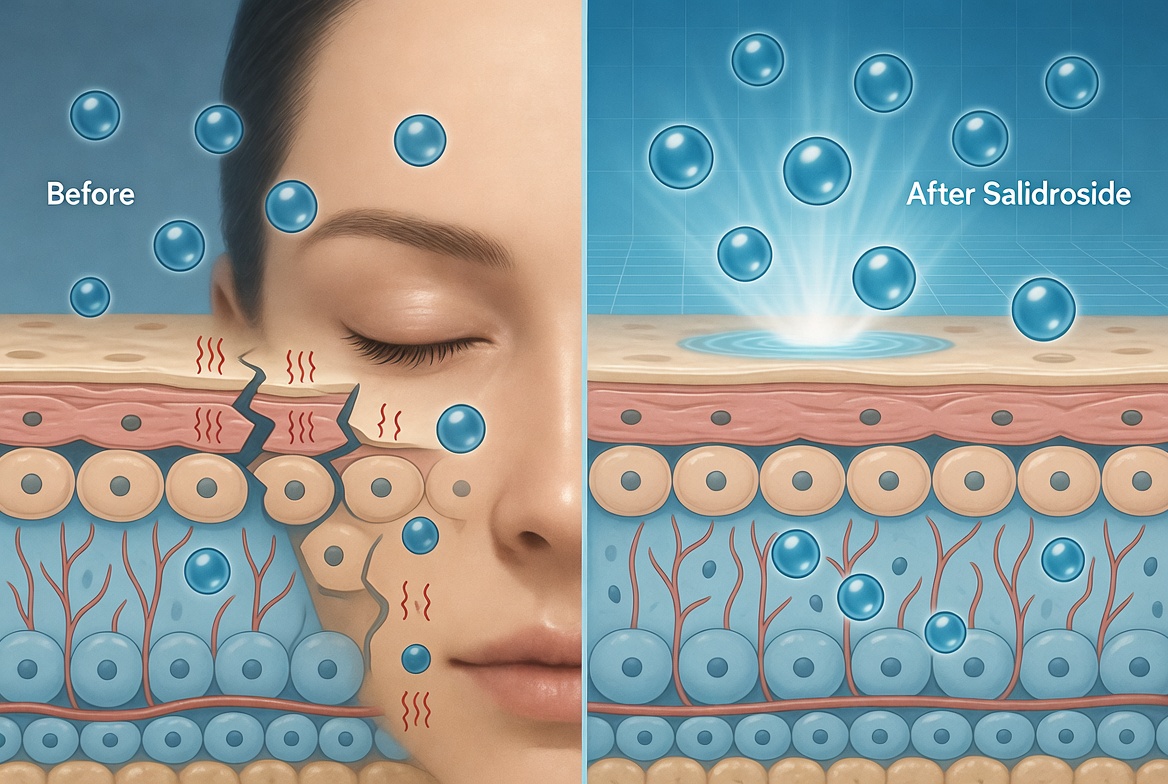
In practice, formulators pair salidroside with hydrating polymers, barrier lipids and soothing agents to create multi‑layer defense for stressed skin. A typical hypoxia‑resistant serum architecture might include: [zhenyi-cos]
1. Base: low‑viscosity aqueous gel with humectants (e.g., hyaluronic acid, glycerin). [zhenyi-cos]
2. Core active: salidroside at a level supported by in‑vitro or ex‑vivo data. [lesaffre]
3. Co‑actives: niacinamide, peptides and polyglutamic acid for barrier, brightening and microcirculation. [zhenyi-cos]
4. Sensory and stability: mild preservatives, chelators and texture modifiers optimized for low irritation. [zhenyi-cos]
Such systems are then clinically or instrumentally evaluated for endpoints that map back to hypoxia and stress: TEWL, redness, microrelief, firmness and subjective "fatigue" appearance. [academia]
If used, DMG is more plausible in multifunctional emulsions or masks that target tired or "oxygen‑deprived" skin, paired with better‑established actives like salidroside, glutathione and peptides. Rather than claiming DMG as a hypoxia solution, brands can frame it as part of a metabolic‑support complex, while salidroside and other plant adaptogens carry the primary clinical narrative. [chemicalbook]
From the perspective of a manufacturer dedicated to natural plant active cosmetic raw materials, several strategic principles emerge when comparing salidroside and DMG. [chemicalbook]
- Anchor on plant‑based adaptogens: Salidroside, alongside other botanical actives, fits global demand for "Chinese ingredients" and traditional‑wisdom‑meets‑biotech stories. [163]
- Leverage fermentation: Precision fermentation improves consistency, purity and sustainability of salidroside, which is critical for export markets and long‑term OEM partnerships. [lesaffre]
- Integrate into full OEM/ODM workflows: ZHENYIBIO's services span raw material selection, formulation design, dosage form development, stability testing and export‑ready packaging, making it easier for partners to launch distinctive hypoxia‑resistant lines at scale. [zhenyi-cos]
For example, a European clean‑beauty brand could co‑develop a "High‑Altitude Recovery Ampoule" where salidroside is the hero adaptogen, supported by hyaluronic acid, peptides and soothing plant extracts, with claims built around barrier recovery, redness reduction and fatigue signs after flights or pollution exposure. DMG, if included, would sit quietly in the INCI as part of a broader metabolic complex, not the headline ingredient. [pmc.ncbi.nlm.nih]
To translate this comparison into operational decisions, brands working with ZHENYIBIO can follow a structured approach. [zhenyi-cos]
1. Clarify positioning and target use‑case
- Focus on "hypoxia‑resistant, stress‑resilient" skincare for urban, fatigued or post‑procedure users. [pmc.ncbi.nlm.nih]
- Decide on dosage forms where salidroside performs best: serums, ampoules, masks or high‑performance creams. [zhenyi-cos]
2. Define the active architecture
- Make salidroside the central adaptogenic and hypoxia‑related active. [benchchem]
- Use DMG only as a supportive metabolic ingredient if it fits your brand narrative; avoid overclaiming on limited topical data. [advanced.onlinelibrary.wiley]
- Combine with glutathione, hyaluronic acid, peptides and plant extracts for antioxidant and barrier synergy. [chemicalbook]
3. Build an evidence‑linked claim stack
- Map available salidroside data (cortisol reduction, anti‑inflammation, barrier support) to clear, consumer‑friendly claims like "helps skin adapt to daily stress" and "supports oxygen‑starved skin vitality." [benchchem]
- Support with non‑invasive tests: TEWL, elasticity, redness, and fatigue‑appearance scoring where possible. [pmc.ncbi.nlm.nih]
4. Optimize for regulatory and global scalability
- Use fermentation‑grade salidroside with transparent documentation and batch traceability to support registrations in multiple regions. [chemicalbook]
- Combine ZHENYIBIO's GMP production, quality inspection and export‑standard packaging to accelerate global rollout under OEM/ODM agreements. [zhenyi-cos]
When you weigh both ingredients against the demands of modern hypoxia‑resistant skincare—efficacy, storytelling, sustainability and regulatory robustness—salidroside holds several decisive advantages. [benchchem]
- Evidence concentration in skin: Salidroside offers a clearer link from mechanistic pathways to observable skin benefits than DMG. [academia]
- Narrative fit: Altitude‑grown Rhodiola and fermentation‑based salidroside fit the adaptogen and "smart resilience" story far better than a small metabolic molecule like DMG. [163]
- Portfolio integration: Salidroside plugs naturally into ZHENYIBIO's plant‑active and functional ingredient portfolio for whitening, anti‑aging and sensitive‑skin solutions. [chemicalbook]
- Differentiation: While DMG remains relatively unknown and under‑validated topically, salidroside can differentiate a line through both traditional heritage and biotech innovation. [benchchem]
For most OEM/ODM projects focused on hypoxia, urban stress or recovery, this means recommending salidroside‑centered concepts, optionally enhanced by DMG only where the brand has a specific metabolic or sports‑science angle. [advanced.onlinelibrary.wiley]
ZHENYIBIO TECHNOLOGY INC is a high‑tech enterprise dedicated to natural plant active cosmetic raw materials, with a professional R&D team, planting base and GMP‑standard factory. The company specializes in functional ingredients such as glutathione, hyaluronic acid, polyglutamic acid, asiaticoside, peptides and plant extracts for whitening, anti‑aging, moisturizing and sensitive‑skin products. [chemicalbook]
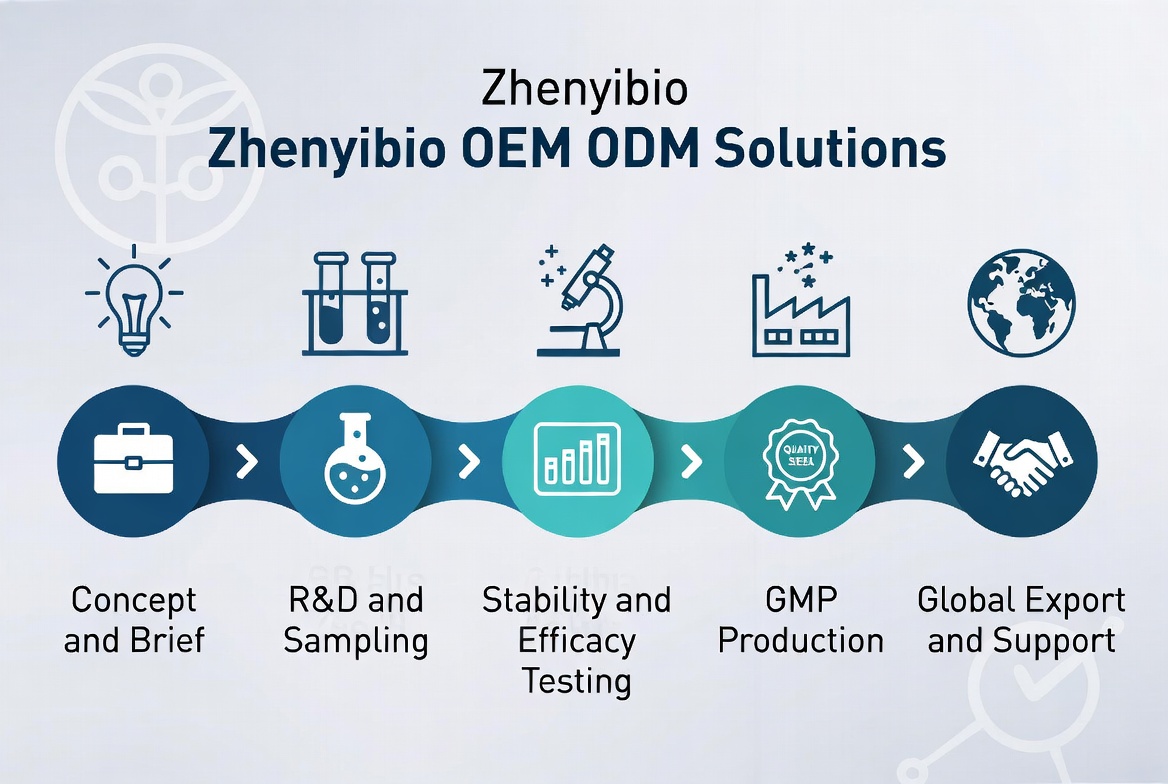
For global brands, wholesalers and manufacturers, ZHENYIBIO offers a full OEM/ODM workflow: requirement discussion, solution design, sample development, quotation and agreement, mass production, quality inspection, and export‑standard packaging and logistics support. This infrastructure allows partners to rapidly prototype and scale salidroside‑based, hypoxia‑resistant skincare ranges that are both science‑backed and market‑ready. [zhenyi-cos]
A typical collaboration might start from a stress‑resilient serum brief, integrate fermented salidroside as the lead adaptogen, and iterate through stability and sensory testing until the final formula and claim set are locked for specific markets. [zhenyi-cos]
If your next product brief includes urban stress, altitude recovery, post‑procedure support or barrier‑fatigue claims, centering your formula on salidroside rather than DMG will give you a stronger scientific foundation and a more compelling brand story. [lesaffre]
ZHENYIBIO TECHNOLOGY INC can help you select the right grade of salidroside, combine it with synergistic plant actives, and translate laboratory insights into differentiated serums, creams, masks and ampoules under flexible OEM and ODM models. To explore hypoxia‑resistant, adaptogenic formulations for your market, you can reach out to ZHENYIBIO's technical and export teams and start a tailored solution design process. [zhenyi-cos]
Q1: Can DMG replace salidroside as the main adaptogen in hypoxia‑resistant skincare?
A1: Based on current evidence, no. Salidroside has more direct data on skin stress, inflammation and barrier function, while DMG's cosmetic benefits are largely extrapolated from systemic studies. [pmc.ncbi.nlm.nih]
Q2: Is fermented salidroside considered cleaner than traditional Rhodiola extracts?
A2: Fermentation allows controlled production of salidroside without harvesting large amounts of Rhodiola, supporting sustainability and batch‑to‑batch consistency, which is particularly important for export markets. [academia]
Q3: What product types are best for salidroside in hypoxia‑resistant positioning?
A3: High‑load serums, ampoules, masks and post‑procedure creams work well because they can deliver meaningful levels of salidroside alongside hydrating and barrier‑support co‑actives. [zhenyi-cos]
Q4: How does ZHENYIBIO support OEM/ODM partners beyond supplying raw materials?
A4: ZHENYIBIO offers formulation design, dosage form customization, stability testing, quality inspection and export‑standard packaging, plus long‑term raw material supply and technical after‑sales support. [zhenyi-cos]
Q5: Can hypoxia‑resistant positioning be combined with whitening or sensitive‑skin claims?
A5: Yes. By pairing salidroside with whitening actives, peptides, hyaluronic acid and soothing plant extracts, brands can build multi‑benefit lines addressing dullness, sensitivity and stress‑related aging in a single system. [academia]
1. Lesaffre, "Salidroside – The fermented alternative to rhodiola root extract: Protecting stressed skin and the planet (Skinosya™ Salidroside)." [Link] [lesaffre]
2. ZHENYIBIO, "OEM ODM – Zhenyibio." Process overview and service scope. [Link] [zhenyi-cos]
3. NCBI, "Insight into the research frontier of hypoxia in skin health and disease." [Link] [pmc.ncbi.nlm.nih]
4. Academia.edu, "Rhodiola rosea: A comprehensive review of its adaptogenic, anti‑aging and skincare benefits." [Link] [academia]
5. ChemicalBook, "ZhenYiBio Technology Inc Product Catalog – Company profile and capabilities." [Link] [chemicalbook]
6. ZHENYIBIO, "Company Profile – Zhenyibio." [Link] [zhenyi-cos]
7. Technical PDF, "The Adaptogenic Properties of Salidroside: A Technical Guide." [Link] [benchchem]
8. Xinhua News, "Cosmetic plant ingredients and the rise of 'Chinese components' in beauty innovation." [Link] [news]
9. Advanced Functional Materials, "Revolutionizing Self‑Oxygenating Biomaterial Platforms for Overcoming Local Hypoxia." [Link] [advanced.onlinelibrary.wiley]