


Views: 268 Author: ZHENYIBIO Publish Time: 2026-07-16 Origin: Site
Content Menu
● What Is Ectoin? A Heat‑Shock Protein Bodyguard
● What Are Silk Amino Acids? A Natural Moisturizing Factor Ally
● Heat‑Shock Protein Protection vs. NMF Replacement
>> How Ectoin Protects Heat‑Shock Proteins and Cell Structures
>> How Silk Amino Acids Reinforce NMF and Hydration
● Side‑by‑Side Comparison for R&D and Brand Teams
>> Functional and Formulation Comparison Table
● Regulatory and Safety Perspective
● Formulation & Stability – Practical Lessons from the Lab
>> Working with Ectoin in Real‑World Formulas
>> Formulating with Silk Amino Acids for Sensory Impact
● How an Active‑Focused Manufacturer Views Ectoin vs. Silk Amino Acids
>> Key Decision Criteria for Product Developers
>> Why Combining Ectoin and Silk Amino Acids Often Works Best
● Step‑by‑Step Framework for R&D Briefs and Marketing Teams
● Strategic Takeaways for Global Beauty Brands
● FAQ
Ectoin and silk amino acids are two high-performance cosmetic actives with very different biological mechanisms: ectoin excels at protecting heat‑shock proteins and cell structures under stress, while silk amino acids primarily enhance hydration by mimicking and reinforcing the skin's Natural Moisturizing Factor (NMF). [zhenyibio]
From a formulator's perspective, they are more complementary than mutually exclusive, and the most effective modern skincare often integrates both in one system for robust protection and sensorially pleasing moisture. [zhenyibio]
In daily work with international brands and OEM/ODM projects, the conversation around ectoin and silk amino acids usually starts with a simple question: "Do we want stress‑protection, moisture, or both?" [zhenyibio]
As a formulator's partner, the real task is to translate that strategic choice into robust, stable, and regulatory‑ready ingredient systems that can survive global supply chains and still deliver measurable effects on skin. [zhenyibio]
Ectoin is a small cyclic amino acid derivative originally discovered in extremophilic microorganisms that live under intense UV, heat, and high‑salt stress. [zhenyibio]
These microbes synthesize ectoin as a so‑called "extremolyte" to stabilize their proteins and membranes, keeping their internal environment functional despite harsh conditions. [zhenyibio]
At cosmetic grade, ectoin is purified and standardized for topical use, typically as a high‑purity, low‑odor powder suitable for serums, essences, and dermocosmetic formulas. [zhenyicos]
Modern manufacturing increasingly relies on controlled fermentation processes, which allow consistent quality, traceability, and alignment with the industry's push toward more sustainable actives. [m.cnpharm]

Silk amino acids are low‑molecular‑weight peptides obtained by hydrolysis of silk fibroin, traditionally sourced from silkworm cocoons. [zhenyibio]
Through careful hydrolysis and purification, the long silk protein is broken down into a mixture of smaller amino acids and short peptides that are far more soluble and suitable for cosmetic formulations. [zhenyibio]
These amino acids share key characteristics with components of the skin's Natural Moisturizing Factor (NMF), such as their affinity for water and their ability to improve stratum corneum plasticity. [zhenyibio]
For brands, this makes silk amino acids a strategic choice when they want lightweight, non‑sticky hydration and a soft "silk touch" sensorial profile in leave‑on products. [zhenyibio]
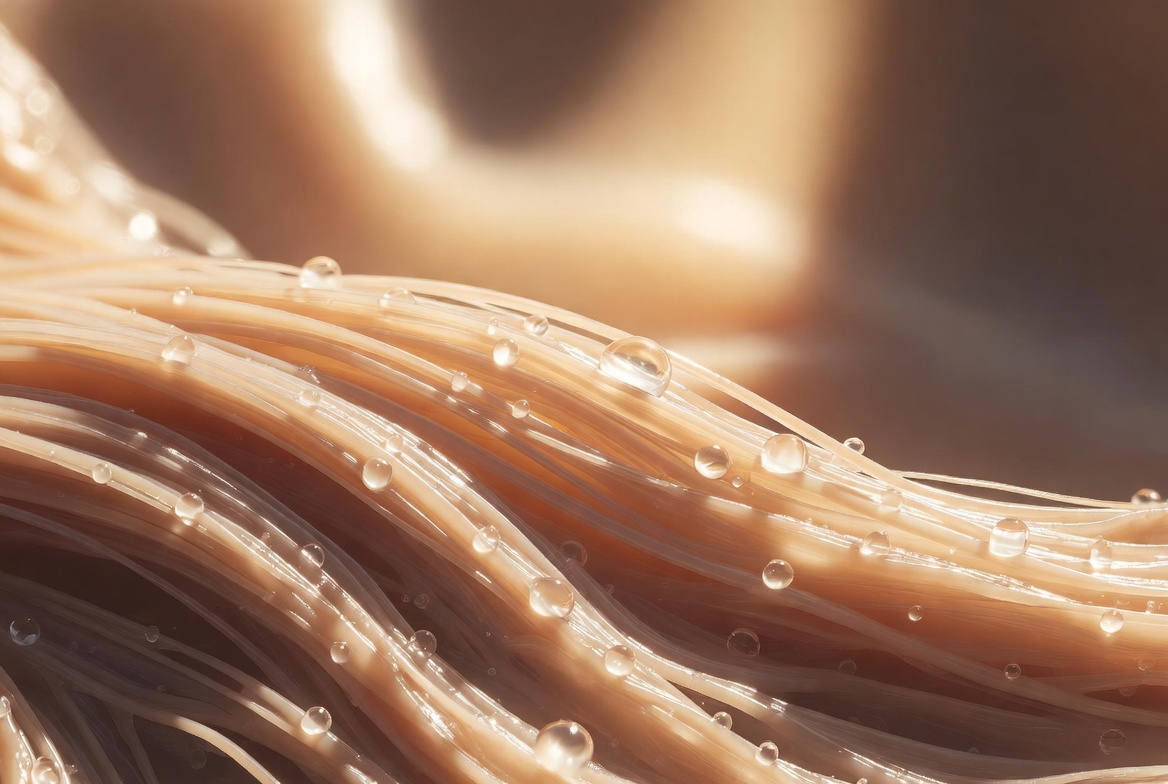
Ectoin works via a preferential exclusion mechanism, structuring surrounding water molecules into a protective shell around proteins and cell membranes. [zhenyibio]
Instead of binding directly to the protein, it modifies the microenvironment, helping proteins maintain their native conformation under heat, UV, or osmotic stress. [zhenyibio]
This leads to several cosmetic‑relevant effects:
- Support of heat‑shock protein function under thermal stress, stabilizing cellular repair processes. [zhenyibio]
- Improved barrier integrity and reduced trans‑epidermal water loss when skin is challenged by environmental factors. [zhenyicos]
- Visible soothing benefits in stress‑prone or sensitive skin, which many brands position as anti‑redness or comfort claims after appropriate testing. [zhenyicos]
Silk amino acids act as humectants and conditioning agents, binding water and slowing its evaporation from the stratum corneum. [zhenyibio]
Because of their small size, they form a flexible, breathable film on the skin surface that improves smoothness without the heavy feel of occlusive oils. [zhenyibio]
Key cosmetic‑level outcomes include:
- Enhanced immediate and long‑term hydration, especially in rinse‑off–plus–leave‑on routines where cumulative conditioning matters. [zhenyibio]
- Improved skin feel (soft, silky, less rough), which can significantly lift consumer perception of overall product quality. [zhenyibio]
- Supportive role for barrier comfort, complementing other NMF‑mimicking actives such as certain amino acids, PCA, and lactates. [zhenyibio]
| Aspect | Ectoin – Heat‑Shock Protection | Silk Amino Acids – NMF Support |
|---|---|---|
| Primary role | Cellular and protein protection under stress (zhenyibio) | Moisturizing and conditioning of skin and hair (zhenyibio) |
| Main mechanism | Water structuring, protection of proteins and membranes (zhenyibio) | Humectant action and flexible film‑forming on surface (zhenyibio) |
| Core claim territories | Anti‑stress, environmental defense, soothing, barrier support (zhenyicos) | Hydration, smoothness, softness, sensory enhancement (zhenyibio) |
| Ideal product types | Serums, essences, dermocosmetic care, after‑sun (zhenyicos) | Shampoos, conditioners, body lotions, facial moisturizers (zhenyibio) |
| Compatible actives | Niacinamide, ceramides, panthenol, postbiotics (zhenyicos) | Hyaluronic acid, glycerin, plant oils, cationic conditioners (zhenyibio) |
| Positioning angle | Advanced biotech, extremophile science, urban/pollution defense (zhenyibio) | Nature‑derived luxury, "silk touch" sensorial story, daily hydration (zhenyibio) |
From a regulatory standpoint, both ectoin and silk amino acids are widely used in personal care formulations and generally regarded as safe when used within recommended limits and in line with local cosmetic regulations. [zhenyicos]
Ectoin has been featured in sensitive‑skin and even baby‑care concepts, reflecting a strong safety perception in topical use. [zhenyicos]
Silk amino acids have a long history in haircare and skincare, especially in Asia‑Pacific markets where silk‑based ingredients resonate strongly with consumer culture. [zhenyibio]
For international launches, working with a manufacturer that can provide full documentation (TDS, MSDS, allergen statements, regulatory dossiers) is crucial to support brand compliance teams and distributors. [made-in-china]
In practice, ectoin is typically used at low to mid‑range percentages that depend on the target claim and regional guidelines. [zhenyicos]
It shows good compatibility with common water‑based systems, including gels, emulsions, and toners, when pH and temperature are properly controlled during manufacturing. [zhenyicos]
A few practical considerations shared across many projects:
- Add ectoin in the cool‑down phase to avoid unnecessary thermal stress during compounding. [zhenyicos]
- Monitor ionic strength and presence of certain salts or actives that might impact solubility and clarity. [zhenyibio]
- Combine with barrier‑supporting lipids or humectants to turn stress‑protection into visible, consumer‑relevant benefits. [zhenyibio]
Silk amino acids are usually supplied as a water‑soluble liquid or powder, easily integrated into the water phase of a formulation. [zhenyibio]
They are widely used in shampoos, conditioners, body cleansers, and light emulsions, where they can survive typical surfactant systems and still deliver conditioning effects. [zhenyibio]
Formulators often:
- Adjust usage levels to balance feel and cost, since even modest percentages can noticeably improve slip and after‑feel. [zhenyibio]
- Use them a bit higher in rinse‑off products to compensate for limited contact time. [zhenyibio]
- Pair them with film‑forming polymers or cationic conditioners for synergistic conditioning in haircare. [zhenyibio]
In global projects, certain patterns repeat across regions and price tiers, offering useful guidance for new launches. [jiemian]
Typical use cases for ectoin include:
- Urban anti‑stress serums positioned for office workers and commuters exposed to UV and pollution. [jiemian]
- After‑sun or heat‑exposure care, where supporting heat‑shock proteins and soothing markers helps justify "recovery" claims. [zhenyicos]
- Sensitive‑skin dermocosmetics, often paired with dermatological testing and minimalist INCI lists. [zhenyicos]
Silk amino acids frequently appear in:
- Premium haircare promising improved combability, shine, and smoothness with a "silk protein" story. [zhenyibio]
- Body and hand care aiming for a light, non‑greasy yet velvety finish that consumers can feel immediately. [zhenyibio]
- Hydrating facial emulsions in which silk‑like sensorials strengthen brand identity and repeat‑purchase behavior. [zhenyibio]
From the perspective of a botanical and biotech‑driven cosmetic ingredient manufacturer, the two actives sit in different—but complementary—platforms. [zhenyibio]
Ectoin is closely linked with fermentation and biotechnological processes, often sharing development pipelines with other advanced actives such as peptides, postbiotics, or specialized osmolytes. [m.cnpharm]
Silk amino acids, meanwhile, are part of a broader naturally derived protein and peptide portfolio that may include collagen fragments, plant‑derived peptides, and other conditioning molecules. [zhenyibio]
For OEM and ODM partners, being able to source both types of actives from a single, GMP‑certified facility simplifies supply management, documentation, and stability testing across large project portfolios. [made-in-china]
When advising brand and R&D teams, selection usually revolves around a few central questions:
1. What is the hero claim?
- If the focus is on environmental or heat‑related stress, ectoin tends to be the primary active. [zhenyibio]
- If the main promise is hydration, softness, and sensorial pleasure, silk amino acids are often prioritized. [zhenyibio]
2. Who is the target user?
- For sensitive, easily stressed, or post‑procedure skin, ectoin offers a stronger narrative and functional fit. [zhenyicos]
- For everyday users seeking visible smoothness in hair and body care, silk amino acids perform very well. [zhenyibio]
3. What is the product format?
- High‑value, leave‑on formats (serums, ampoules) make ectoin particularly attractive. [zhenyibio]
- Rinse‑off or large‑volume formats (shampoo, body wash) favor silk amino acids due to their cost‑to‑performance ratio. [zhenyibio]
In many modern formulas, the most competitive approach is not "either‑or" but "both, with clear roles." [zhenyicos]
Ectoin serves as the cellular and structural defender, while silk amino acids deliver the immediate sensory and hydration payoff that consumers can feel from the first application. [zhenyibio]
This combination can be particularly powerful in:
- Daily protective moisturizers for urban lifestyles. [jiemian]
- Premium hair and scalp care, where scalp comfort and hair fiber quality both matter. [zhenyibio]
- Multi‑step routines in which a stress‑defense serum is layered under a silky, hydrating cream or lotion. [zhenyicos]
For internal teams and external partners, aligning on ectoin vs. silk amino acids is easier with a structured framework. [zhenyibio]
1. Define the problem skin or hair scenario.
Specify whether stress (UV, heat, pollution, procedures) or dryness/sensory dissatisfaction is the main pain‑point. [zhenyibio]
2. Map the claim territories to mechanisms.
Link heat‑shock protein support and barrier defense to ectoin, and NMF‑related hydration and silk‑like feel to silk amino acids. [zhenyibio]
3. Select compatible co‑actives and base formula.
Choose humectants, lipids, or conditioning agents that reinforce the main mechanism, and design an emulsion or surfactant system that protects the actives. [zhenyibio]
4. Plan testing and substantiation.
Combine instrumental tests (hydration, TEWL, barrier markers) with user perception studies to capture both biological effects and sensorial feedback. [jiemian]
5. Align sourcing, documentation, and scale‑up.
Work with a specialized active manufacturer capable of providing consistent batches, full quality documentation, and technical support across pilot and mass production. [made-in-china]
For brands, the choice between ectoin and silk amino acids is less about which ingredient is "better" and more about how to architect a coherent product story and performance profile. [zhenyicos]
Ectoin anchors narratives around resilience, environmental adaptation, and advanced bio‑fermentation, while silk amino acids anchor narratives around tactile luxury, comfort, and everyday pleasure in use. [jiemian]
By understanding the mechanistic strengths, formulation behavior, and consumer‑perceived outcomes of each, R&D and marketing teams can design portfolios in which every SKU has a clear, defensible reason to exist. [zhenyibio]
This clarity does not just support better products; it also makes internal decision‑making and communication with distribution partners simpler and more efficient. [made-in-china]
Q1: Can ectoin and silk amino acids be used together in one formula?
Yes, they are commonly combined to offer both stress protection and hydration/smoothness, especially in premium leave‑on products. [zhenyibio]
Q2: Which ingredient is more suitable for very sensitive or redness‑prone skin?
Ectoin is often preferred in concepts targeting sensitive, reactive, or stressed skin, thanks to its protective and soothing profile. [zhenyibio]
Q3: Are silk amino acids only relevant in haircare?
No, while very popular in haircare, silk amino acids are also widely used in facial and body care for their light hydration and silky after‑feel. [zhenyibio]
Q4: How important is the production process for ectoin quality?
The use of controlled fermentation and strict quality systems helps ensure consistent purity, safety, and performance for ectoin across batches. [m.cnpharm]
Q5: What documentation should brands request from raw‑material suppliers for these actives?
Brands typically request TDS, MSDS, COA, allergen statements, and regulatory support files, along with technical guidance for formulation and stability. [zhenyibio]
1. Zhenyi Cosmetics – Global manufacturer & supplier of botanical cosmetic ingredients. https://www.zhenyibio.com/
2. Zhenyi Cosmetics – Silk Amino Acids supplier & manufacturer. https://www.zhenyibio.com/silk-amino-acids.html
3. Zhenyi Cosmetics – Silk Amino Acids product overview. https://www.zhenyibio.com/products/Silk-Amino-Acids.html
4. ZHENYIBIO – Cosmetic grade ectoin for skincare supplier. https://www.zhenyibio.com/ectoin.html
5. ZHENYIBIO – Ectoin powder and ectoin skincare technical information. https://www.zhenyicos.com/anti-aging/ectoin-serum.html
6. Made‑in‑China – Zhenyibio Technology Inc company profile. https://www.made-in-china.com/showroom/zhenyibio/
7. CNPHARM – Overview of biotechnological cosmetic ingredients and registration trends. https://m.cnpharm.com/c/2026-03-12/1092948.shtml
8. Jiemian – Industry discussion on green transformation and biotech innovation in cosmetic raw materials. https://www.jiemian.com/article/8562331.html


