


Views: 259 Author: ZHENYIBIO Publish Time: 2026-07-19 Origin: Site
Content Menu
● Understanding Fatigue‑Prone Skin and Oxygen Demand
● Dimethylglycine – Metabolic Modulator and Microcirculation Support
>> Chemical Nature and Metabolic Role
>> Dimethylglycine and Cutaneous Microcirculation
>> Dimethylglycine in Plant‑Active and Fermentation‑Driven Systems
● Alpha‑Ketoglutarate – Central Node of Oxygen‑Linked Metabolism
>> Alpha‑Ketoglutarate and Redox Balance
>> Fermentation‑Based Production and Purity
● Dimethylglycine vs. Alpha‑Ketoglutarate – Mechanistic Comparison
>> Where Each Molecule Acts in the Oxygen Pathway
>> Impact on Fatigue‑Prone Skin Phenotypes
>> Comparison Table – Oxygen Utilization Focus
● Synergistic Use in High‑Performance Skin Protocols
>> When Combination Makes Sense
>> Layering Logic in Practical Routines
● Integration with Natural Plant Actives and Biotechnological Platforms
>> Harmonizing Phytocomplexes and Metabolic Actives
>> Biotransformation and Future Ingredient Families
● Practical Guidelines for Ingredient Selection in Fatigue‑Prone Skin
>> Matching Actives to Dominant Stress Signatures
>> Balancing Dosage, Format and Regulatory Context
● Future Directions in Oxygen‑Focused Skin Strategies
● FAQ
Dimethylglycine and Alpha‑Ketoglutarate are increasingly recognized as oxygen‑optimizing actives for fatigue‑prone skin, yet they support cutaneous metabolism through distinct biological pathways. For advanced manufacturers working with natural plant‑derived actives and modern fermentation technologies, understanding how these two molecules differ is crucial for designing formulations that genuinely improve skin vitality rather than relying on superficial radiance claims.
Fatigue‑prone skin is commonly associated with dull tone, slower recovery, and decreased resilience under environmental and lifestyle stress. At a biochemical level, this phenotype reflects compromised microcirculation, suboptimal mitochondrial function and chronic low‑grade oxidative stress. Dimethylglycine and Alpha‑Ketoglutarate address these issues at different points in the oxygen supply‑and‑usage chain, making them highly relevant for brands seeking more intelligent metabolic strategies in beauty formulations.
Fatigue‑prone skin does not simply lack hydration or surface lipids; it operates with a persistent mismatch between oxygen delivery and oxygen utilization. When capillary flow is inconsistent and mitochondrial enzymes are down‑regulated, even normal oxygen levels fail to translate into stable ATP production and efficient repair.
Key characteristics of fatigue‑prone skin include:
- Dull or uneven skin tone despite adequate moisturizing routines
- Slower recovery after UV exposure or environmental stress
- Increased sensitivity and a tendency toward irritation or discomfort
- Less noticeable "glow" even in younger age groups under high workload or poor sleep
In such conditions, the priority is to enhance oxygen utilization rather than simply increase perfusion. Dimethylglycine and Alpha‑Ketoglutarate become valuable because they support different aspects of this process—delivery conditions versus metabolic throughput.
Dimethylglycine (DMG) is a methylated derivative of glycine traditionally investigated as a metabolic modulator and performance‑supporting compound. It is involved in one‑carbon metabolism and acts as a secondary methyl donor, contributing to enzymatic reactions that fine‑tune cellular activity. In systemic contexts, it has been discussed in relation to endurance and tissue oxygenation, which conceptually translates into cutaneous microcirculation and energy tone.
For fatigue‑prone skin, one of the practical advantages of Dimethylglycine is its potential to support microcirculation without resorting to aggressive vasodilators. Rather than creating a short‑term rush of blood flow, it is better framed as helping conditions that allow more consistent nutrient and oxygen delivery to the dermis and subdermal tissues.
In formulation work, Dimethylglycine is often positioned in:
- Nutricosmetic concepts targeting "from within" radiance
- Complexes focused on tissue comfort and reduced feeling of heaviness in the skin
- Systems that pair circulation support with barrier‑repairing plant actives
This makes Dimethylglycine particularly interesting for individuals whose fatigue‑prone skin is driven more by lifestyle stress, posture, or circulation issues than by chronological age.
Manufacturers working with natural plant actives and biotechnological processes can integrate Dimethylglycine as part of a multi‑pathway oxygen strategy. When combined with botanical extracts that strengthen capillary walls, adaptogens that modulate stress response and humectants that preserve hydration, DMG helps convert these supportive measures into better real‑world nutrient flow.

Alpha‑Ketoglutarate (AKG) is a critical intermediate in the tricarboxylic acid (TCA) cycle, the core metabolic pathway that couples oxygen consumption to ATP generation. By participating in the oxidation of amino acids, glucose and fatty acids, AKG directly influences how efficiently cells transform oxygen into usable energy.
Where Dimethylglycine modulates conditions around delivery, Alpha‑Ketoglutarate works inside the mitochondrial engine itself. Its presence affects:
- The balance of substrates entering the TCA cycle
- The pace and stability of ATP production
- Cross‑talk between energy pathways and cellular stress responses
Beyond energy metabolism, Alpha‑Ketoglutarate contributes to redox balance by reacting with certain reactive oxygen species and integrating antioxidant behavior into metabolic flux. This dual profile—metabolic hub and redox participant—makes AKG particularly relevant for skin exposed to chronic oxidative challenges such as UV radiation, pollution and psychological stress.
For fatigue‑prone skin types, AKG is not simply another antioxidant. Its value lies in helping skin maintain a more stable metabolic state in which oxidative stress is buffered while energy production remains robust. This can translate into better support for collagen maintenance, improved texture and more consistent recovery after irritation.
Industrial biotransformation and fermentation technology allow Alpha‑Ketoglutarate to be produced at high purity and yield from precursors such as glutamate. These processes make it possible to deliver reliable, cost‑effective and environmentally considerate AKG ingredients for cosmetic use.
For companies specializing in natural plant actives and modern biotechnology, this compatibility means AKG can be incorporated into ingredient portfolios that emphasize traceability, lower environmental burden and scalable quality control.
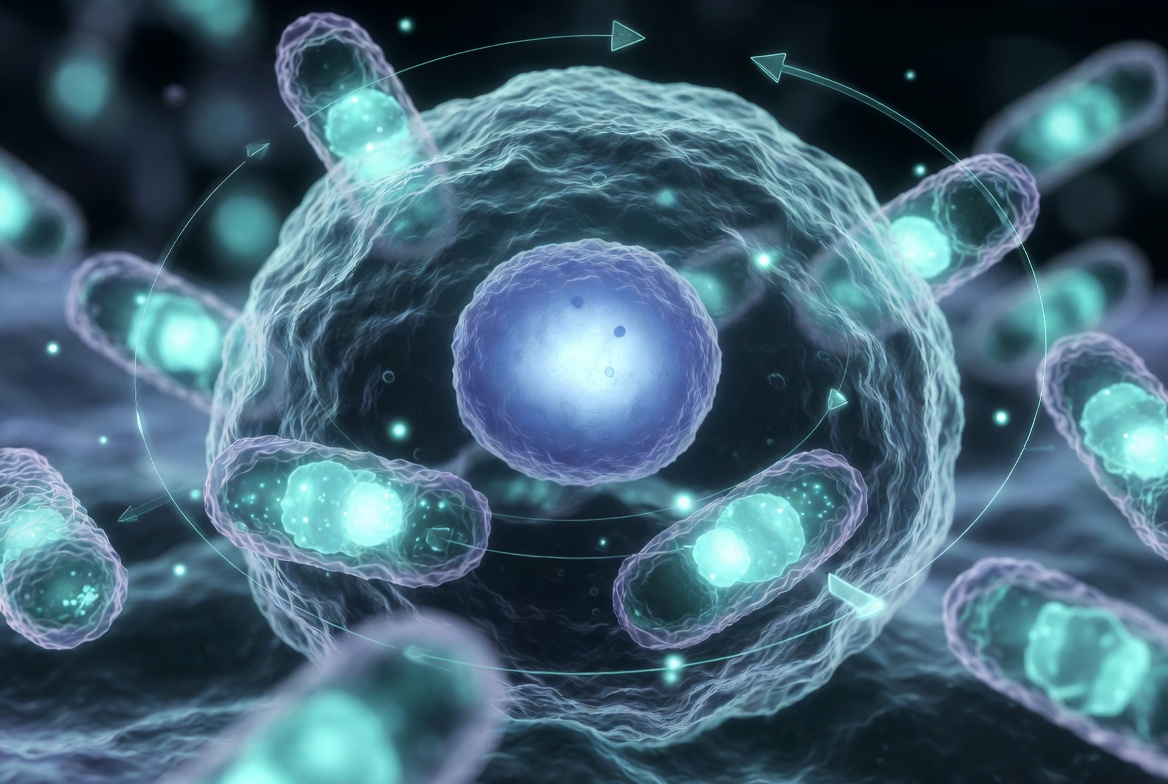
A clear way to distinguish Dimethylglycine from Alpha‑Ketoglutarate is to map where each one acts in the journey from oxygen entry to ATP generation.
- Dimethylglycine primarily influences microcirculation, metabolic modulation and methylation‑linked processes that frame oxygen delivery and enzyme activity.
- Alpha‑Ketoglutarate operates inside the mitochondrial TCA cycle, directly affecting oxygen‑dependent energy generation and integrated redox buffering.
When evaluated against typical fatigue‑prone skin patterns:
- Dimethylglycine is better associated with improvements in comfort, subtle glow and more even nutrient flow under everyday stress.
- Alpha‑Ketoglutarate is more aligned with deeper changes in texture, firmness and recovery capacity, especially when fatigue has a strong metabolic or age‑related component.
The distinction is not about one ingredient being universally superior. Instead, it is about matching each active to the dominant stress signature in the target population and, where appropriate, using both in a complementary way.
| Aspect | Dimethylglycine | Alpha‑Ketoglutarate |
|---|---|---|
| Main level of action | Microcirculation, methylation, metabolic modulation | Mitochondrial TCA cycle and redox control |
| Relation to oxygen | Helps delivery and enzyme efficiency | Directly couples oxygen use to ATP production |
| Key benefit for fatigue‑prone skin | Comfort, glow, nutrient flow | Resilience, texture, recovery capacity |
| Typical positioning | Inner radiance and circulation support | Metabolic longevity and stress‑resistant glow |
This table highlights that both actives contribute to better oxygen utilization but at different stages, offering a strong rationale for targeted or combined use.
Using Dimethylglycine and Alpha‑Ketoglutarate together is particularly valuable for individuals whose fatigue‑prone skin is driven by multiple overlapping factors: hectic schedules, sleep debt, urban pollution and suboptimal diet. In such cases, both oxygen delivery and metabolic throughput are under strain.
Combined strategies can:
- Support more consistent microcirculation and nutrient routing
- Enhance mitochondrial efficiency and redox balance
- Provide a smoother transition between short‑term comfort and long‑term structural benefits
A reasonable approach is to allocate AKG to formats that emphasize recovery, night care or intensive regeneration, while Dimethylglycine supports daytime comfort and circulation‑sensitive radiance.
For example:
1. Use AKG‑rich complexes in evening serums or targeted treatments designed around deeper metabolic reset.
2. Include Dimethylglycine in nutricosmetics, daily emulsions or essences focusing on maintaining flow and glow under working‑day stress.
3. Surround both actives with plant‑derived antioxidants, barrier‑supporting lipids and microbiome‑aware ingredients for a multidimensional response to fatigue.
Such designs allow consumers to experience sustained improvements rather than short spikes in brightness.
Manufacturers that specialize in natural plant phytocomplexes can treat Dimethylglycine and Alpha‑Ketoglutarate as structural cores around which botanical actives are organized. Plant ingredients that enhance microvascular integrity, modulate inflammation or provide targeted antioxidants complement the metabolic effects of DMG and AKG.
Examples of integration include:
- Pairing AKG with polyphenol‑rich extracts for layered redox management
- Combining DMG with vascular‑supporting botanicals to stabilize microcirculation
- Creating complexes where plant adaptogens reinforce the stress‑buffering capacity of these metabolic actives
The same fermentation expertise used to produce AKG can also be applied to other TCA‑related intermediates and co‑factors. Over time, portfolios may expand to include families of oxygen‑linked actives that allow formulators to fine‑tune metabolism at multiple nodes.
Dimethylglycine and Alpha‑Ketoglutarate then act as reference points in a broader ecosystem of ingredients designed to restore balance in stressed, fatigue‑prone skin.
When deciding whether to focus on Dimethylglycine, Alpha‑Ketoglutarate or both, it is useful to identify the leading cause of fatigue‑prone behavior in the target skin type.
Consider the following guidelines:
- If microcirculation, heavy sensation and lifestyle‑linked dullness dominate, lean more toward Dimethylglycine‑centered concepts.
- If slow recovery, textural decline and age‑related metabolic fatigue are most evident, prioritize Alpha‑Ketoglutarate‑driven systems.
- If the profile includes both lifestyle stress and long‑term metabolic decline, design synergistic protocols that feature DMG and AKG together.
As with any bioactive, success depends on using appropriate dosages, compatible delivery systems and formats that respect regulatory frameworks. For both Dimethylglycine and Alpha‑Ketoglutarate, this may include:
- Adjusting concentration to match the sensitivity level of fatigue‑prone skin
- Selecting encapsulation or stabilization strategies that protect metabolic actives from premature degradation
- Coordinating oral and topical routes for a more coherent "inside‑outside" support system
Thoughtful execution prevents over‑promising and ensures that the actives' underlying science is meaningfully reflected in end‑user experience.
From a formulation strategist's viewpoint, the evolution of oxygen‑focused skin strategies is gradually shifting away from slogans about "boosting oxygen" and toward precision modulation of metabolic checkpoints. Instead of isolated, high‑intensity stimuli, the emphasis is on harmonizing microcirculation, mitochondrial activity and redox behavior over extended timeframes.
Dimethylglycine and Alpha‑Ketoglutarate already embody this shift. DMG supports softer aspects of oxygen delivery and enzyme environment, while AKG anchors the core of oxygen‑dependent energy metabolism. When combined with rigorous plant‑active selection and fermentation‑based production, they point to a landscape where fatigue‑prone skin can be managed with greater nuance and long‑term consistency.
In summary, choosing between Dimethylglycine and Alpha‑Ketoglutarate—or consciously deploying both—is less about favoring one molecule and more about understanding oxygen utilization as an integrated system. For advanced natural‑active manufacturers and brand developers, this system view opens space for more intelligent, high‑performance formulations tailored to modern skin fatigue realities.

Q1: Is Dimethylglycine more suitable for younger fatigue‑prone skin?
Younger fatigue‑prone skin often benefits from Dimethylglycine because lifestyle‑driven microcirculation issues and stress‑related dullness are common, while deep metabolic decline is less pronounced. DMG's support of circulation and subtle metabolism can therefore align well with this profile.
Q2: Why is Alpha‑Ketoglutarate frequently associated with longevity concepts?
Alpha‑Ketoglutarate sits at a central point in the TCA cycle and participates in integrated energy and redox management. This has led to its connection with cellular resilience and longevity, as it helps tissues maintain more balanced responses to chronic oxidative and metabolic challenges.
Q3: Can Dimethylglycine and Alpha‑Ketoglutarate be used in the same routine for fatigue‑prone skin?
They can be combined effectively. Dimethylglycine tends to support microcirculation and everyday comfort, while Alpha‑Ketoglutarate targets deeper metabolic resilience. When layered thoughtfully, the two actives create a more complete framework for handling complex fatigue patterns.
Q4: What is the role of fermentation processes in the supply of Alpha‑Ketoglutarate?
Fermentation and biotransformation processes are widely used to produce Alpha‑Ketoglutarate at high yield and purity. For cosmetic and nutricosmetic applications, these technologies improve consistency, scalability and environmental responsibility in ingredient manufacturing.
Q5: What is the key consideration when formulating for fatigue‑prone skin with these actives?
The central consideration is matching ingredient choice and combination to the dominant stress pattern. Microcirculation‑driven dullness, metabolic fatigue, and mixed lifestyle factors require different balances of Dimethylglycine and Alpha‑Ketoglutarate, supported by compatible plant actives and delivery systems.
1. Alpha‑Ketoglutarate antioxidant functions and applications – overview of AKG in metabolism and oxidative balance. https://suppr.wilddata.cn/browses/detail/pubmed/29750149
2. Discussion of Alpha‑Ketoglutarate as a metabolic "dark horse" in anti‑aging and resilience. https://www.gnakg.com/811.html
3. Overview of prevalent anti‑aging molecules, including Alpha‑Ketoglutarate and its positioning among longevity‑linked compounds. https://www.gnakg.com/1072.html
4. Comparative ingredient perspectives on L‑Arginine AKG and Dimethylglycine HCl in relation to skin microcirculation and nutrient delivery. https://www.zhenyibio.com/ko/l-arginine-akg-vs-dimethylglycine-hcl-synergistic-effects-on-skin-microcirculation-and-nutrient-del
5. Biotransformation‑based industrial production of Alpha‑Ketoglutarate, highlighting yield, purity and process advantages. http://www.tib.cas.cn/cgzh/cgtj/202410/t20241014_7399306.html
6. Trend analysis of cosmetic raw material industries, focusing on skin micro‑ecosystem, circulation and biotechnology‑driven ingredient innovation. https://www.industrysourcing.cn/article/459031
7. Global raw material R&D trends that emphasize skin micro‑ecology and industrial biotechnology platforms for cosmetic actives. https://en.jiemian.com/article/6557413.html
8. Zhenyi‑related articles and technical materials on AKG‑centered formulations, cellular longevity and microcirculation concepts for skin radiance. https://www.zhenyibio.com/


