


Views: 222 Author: ZHENYIBIO Publish Time: 2026-06-15 Origin: Site
Content Menu
● Understanding Photostability in Sports Sunscreens
● Octocrylene: Legacy Workhorse Filter
>> Core properties and functions
>> Emerging concerns and regulatory pressure
● Modern Photostabilizers: What Has Changed?
>> Beyond single‑filter stabilization
>> Alignment with clean and sustainable expectations
● Key Comparison: Octocrylene vs Modern Photostabilizer Systems
● Designing High‑Irradiance Sports Sunscreens: Practical Formulation Strategy
>> Step 1: Define performance and compliance targets
>> Step 2: Build a multi‑layer photostability system
● Leveraging Plant‑Active and Fermentation‑Driven Photostabilization
>> Role of plant antioxidants and ferments
>> Signature positioning for ZHENYIBIO
● Expert Perspective: When to Keep, Reduce, or Replace Octocrylene
● Practical OEM/ODM Roadmap for Brand Owners
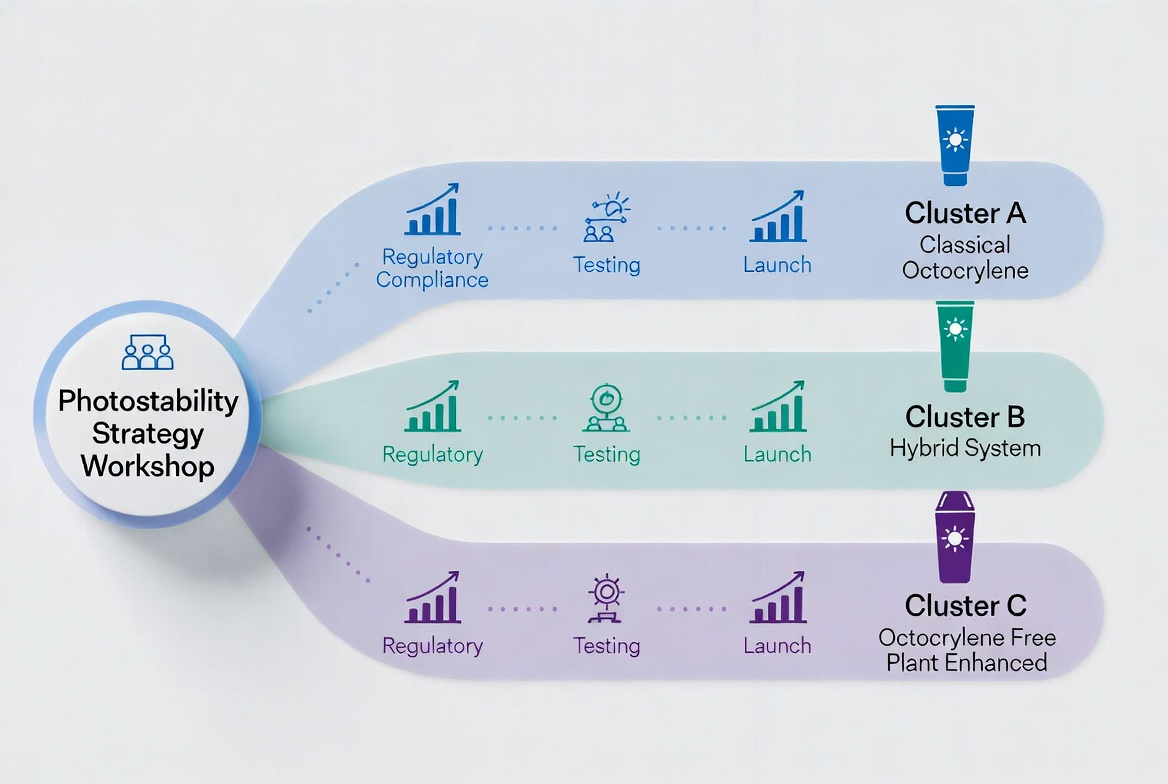
>> 1. Multi‑market compliance workshop
>> 2. Prototype cluster design
>> 3. In‑use validation and storytelling
● Call to Action for Brand Owners and Developers
● Frequently Asked Questions (FAQ)
Octocrylene remains a workhorse UVB filter and photostabilizer, but high‑irradiance sports sunscreens increasingly rely on modern, multi‑functional photostabilizers to meet stricter safety, performance, and sustainability expectations. In this article, we will compare octocrylene and newer systems from both a formulation and strategy perspective, and explore how a plant‑active, fermentation‑driven manufacturer like ZHENYIBIO TECHNOLOGY INC can support next‑generation sports sun care.
High‑irradiance sports environments (mountain trails, beaches, outdoor courts) expose sunscreens to intense UV, sweat, heat, and mechanical abrasion, which can rapidly degrade UV filters and reduce SPF protection if formulations are not photostable. Sports products must maintain consistent UVA/UVB protection over extended outdoor use, even under re‑application gaps, water immersion, and heavy perspiration.
From a regulatory and brand‑risk standpoint, photostability is no longer a "nice‑to‑have": it is closely tied to SPF accuracy, label compliance, and consumer trust, especially in markets like the EU and Asia where UVA and critical wavelength requirements are tightening. For OEM/ODM manufacturers, this is now a core value proposition when pitching long‑wear, "sports" or "outdoor" sun care lines to global brand owners.
Octocrylene is an oil‑soluble UVB filter with some short‑wave UVA coverage and a long history of use in high‑SPF sunscreens. It has three main functions in classical formulations:
- Provides UVB protection and contributes to high SPF levels in oil‑based phases.
- Acts as a photostabilizer, especially for avobenzone, by quenching its excited states and slowing down photodegradation.
- Enhances water resistance and film formation due to its lipophilic nature and compatibility with many emollients.
For years, these features made octocrylene the "default" backbone in many global sports sunscreens, particularly in mass and masstige segments, as it allowed brands to reach higher SPFs with relatively familiar chemistries and cost structures.
Despite its efficiency, octocrylene faces growing scrutiny:
- Allergy and sensitization potential: Reported contact allergy cases and photoallergic reactions have increased, especially in sensitive populations and children, making some brands reconsider high‑load usage in baby and kids' products.
- Environmental impact: Studies have indicated possible accumulation in aquatic environments and potential effects on marine life, aligning octocrylene with broader debates around reef safety and eco‑toxicity.
- Regulatory re‑evaluation: Authorities in some regions have lowered maximum use levels or called for additional safety data, pushing R&D teams to find alternative photostabilization strategies and to diversify their filter systems.
For global OEM/ODM partners targeting premium, "clean," or reef‑aware sports sun care, these factors collectively reduce octocrylene's attractiveness as a single, central pillar of photostability.
Modern photostabilizers are no longer just "one molecule" replacing octocrylene. Instead, formulators adopt integrated systems that combine:
- Next‑generation organic filters with improved intrinsic photostability and broader UVA/UVB coverage.
- Synergistic stabilizer molecules that absorb, dissipate, or redistribute energy from excited UV filters without significant own toxicity.
- Film‑formers and polymers that lock filters in a flexible, sweat‑resistant lattice while allowing skin breathability.
- Antioxidant and radical‑scavenging systems, increasingly derived from natural plant actives or fermentation‑enabled metabolites, to address secondary oxidative stress.
In high‑irradiance sports sunscreens, this shift results in multi‑layer protection, where photostability is achieved through filter selection, physical film design, and biochemical support rather than a single "silver bullet" filter.
Modern photostabilizer strategies must also speak to marketing narratives: "reef conscious," "vegan," "plant‑active," and "biotechnology‑driven." For a manufacturer like ZHENYIBIO, which combines traditional plant wisdom with biological fermentation, this opens a unique positioning opportunity:
- Develop bio‑derived stabilizing antioxidants (e.g., phenolic compounds, flavonoid derivatives, ferments rich in protective metabolites).
- Offer standardized, science‑backed plant actives that contribute to photostability and reduce oxidative erythema, while also supporting claims such as anti‑pollution, anti‑blue light, or barrier support.
- Integrate ESG narratives around lower carbon footprints, renewable feedstocks, and traceable plant sourcing into the OEM/ODM pitch decks.
Below is a simplified comparison focused on high‑irradiance sports sunscreens:
| Dimension | Octocrylene | Modern Photostabilizer Systems |
|---|---|---|
| Photostability role | Classical stabilizer for avobenzone; contributes to SPF but can degrade under extreme UV over time | Distributed system combining stable filters, synergistic stabilizers, film‑formers, and antioxidants |
| Regulatory sentiment | Increasing scrutiny, use‑level caps, and allergen concerns in some markets | Designed to align with updated safety frameworks and often positioned as "safer" or "gentler" for sensitive users |
| Environmental profile | Under pressure due to reef and aquatic toxicity discussions | Newer systems often designed with eco‑profiling, sometimes including biodegradable or bio‑based components |
| Consumer perception | Recognized by some professionals; less "marketable" in front‑of‑pack storytelling | Supports "modern," "clean," "reef conscious," and "biotech" marketing narratives |
| Flexibility for claims | Supports classic SPF and water resistance claims | Enables combined claims: long‑wear SPF, anti‑oxidation, barrier support, blue‑light defense, and "green" positioning |
For OEM/ODM partners, the choice is less "octocrylene or not" and more about building a coherent photostability architecture that matches target markets, regulatory environments, and brand stories.

Before deciding on octocrylene or modern alternatives, start with clear formulation targets:
1. SPF and UVA level: For sports use, many brands aim at SPF 50–50+ and robust UVA protection compliant with EU, ASEAN, or LATAM regulations.
2. Water/sweat resistance: Define test protocols (e.g., 40/80‑minute water resistance) and specific sports scenarios (surfing, trail running, winter sports).
3. Texture and sensorial preferences: Some markets prefer light gels and aqueous fluids; others accept richer creams if they promise extreme endurance.
4. "Free‑from" lists and positioning: Confirm whether octocrylene is allowed, or if the brand wants "octocrylene‑free," "reef conscious," or "vegan" claims.
This strategic groundwork will determine whether octocrylene remains part of the toolbox or must be replaced/augmented by modern photostabilizers and plant‑active support.
Regardless of octocrylene inclusion, advanced sports sunscreens increasingly integrate the following multi‑layer system:
- Base UV filter network: Select a balanced spectrum using filters with proven photostability and cross‑regional approval where possible.
- Photostabilizer component: Decide whether to keep octocrylene, reduce its level, or replace it with alternative stabilizers that synergize with the filter set.
- Film‑forming matrix: Use specialized polymers and hybrid emulsifiers to secure filters in a flexible water‑resistant film.
- Natural antioxidant shield: Integrate plant‑derived or fermentation‑derived antioxidants to intercept free radicals, support barrier function, and differentiate claims.
Here, a company like ZHENYIBIO can offer standardized plant actives, fermented extracts, and multifunctional botanical complexes that enhance photostability while complementing skin‑wellness narratives.
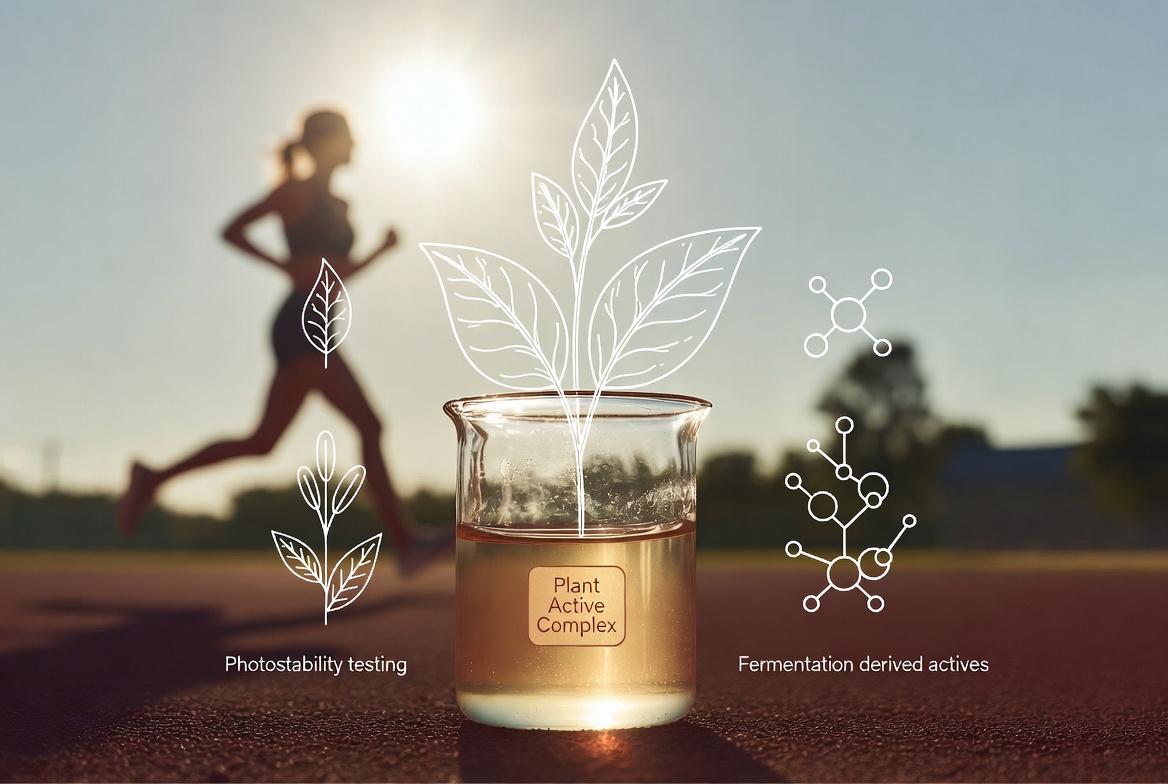
Plant antioxidants and fermentation products cannot replace UV filters, but they can modulate the skin's response to UV stress and improve overall photostability at the system level. Strategically selected actives can:
- Scavenge reactive oxygen species generated by UV exposure, reducing oxidative damage and erythema.
- Support skin barrier lipids and ceramides, which are compromised by repeated sun and saltwater exposure.
- Provide anti‑inflammatory and soothing effects, making high‑SPF sports formulas more comfortable for daily use and sensitive skin.
In high‑irradiance sports sunscreens, combining UV filters with targeted plant complexes offers "inside‑out" protection: filters manage external UV load, while bio‑actives manage internal oxidative and inflammatory cascades.
For ZHENYIBIO TECHNOLOGY INC, this is an opportunity to build signature OEM/ODM platforms:
- Plant‑wise photostability complexes: Blends of standardized botanical actives from traditional pharmacopoeias, optimized via modern analytics and fermentation to maximize antioxidant capacity, heat stability, and compatibility with emulsions.
- Fermented micro‑actives: Small‑molecule fractions derived from controlled fermentation that provide consistent, reproducible antioxidant or barrier‑support effects across batches.
- ESG and storytelling frameworks: Traceable botanical sourcing, eco‑friendly fermentation processes, and measurable footprint data integrated into brand communication toolkits for global customers.
This combination of traditional plant wisdom and modern bio‑fermentation builds a clear differentiation compared with purely petrochemical photostabilizer systems.
From an industry practitioner's viewpoint, the octocrylene decision in sports sunscreens often follows a pragmatic matrix:
- Retain octocrylene when targeting markets with less restrictive regulations, cost‑sensitive channels, or when high SPF and water resistance must be achieved quickly.
- Reduce octocrylene and integrate modern photostabilizers and bio‑actives when moving toward premium, sensitive‑skin, or eco‑positioned sports products.
- Replace octocrylene entirely in markets or channels where "octocrylene‑free," reef‑conscious, or strict allergen policies are non‑negotiable, and when the brand is ready to invest in new filter approvals and robust clinical validation.
In all three scenarios, plant‑based and fermentation‑driven actives can play a structurally similar role: enhancing resilience, supporting the narrative, and adding additional claims (anti‑oxidation, soothing, barrier repair) that extend beyond pure SPF numbers.
Because sports sunscreens typically ship across multiple regions, start with a regulatory‑first workshop:
- Map target markets and applicable UV filter lists.
- Clarify customer expectations for octocrylene usage, reef claims, and "clean" standards.
- Define maximum allowable concentrations and interaction with other filters.
This upstream alignment prevents late‑stage reformulations and ensures that the photostability architecture is future‑proof.
Rather than a single formula, design clusters of prototypes:
- Cluster A: Classical octocrylene‑based photostability for cost‑effective markets.
- Cluster B: Hybrid systems with reduced octocrylene load plus modern stabilizers and plant‑active complexes.
- Cluster C: Octocrylene‑free, plant‑enhanced systems targeting premium, eco‑positioned, or dermatologically sensitive segments.
Each cluster can share a core ZHENYIBIO plant‑active platform, simplifying sourcing and storytelling while giving customers flexibility.
Finally, connect technical validation with consumer‑facing narratives:
- Conduct in‑vitro and in‑vivo photostability testing to document SPF persistence and UVA performance under high‑irradiance conditions.
- Integrate plant‑active evidence (antioxidant capacity, barrier metrics, soothing biomarkers) into marketing assets and training guides.
- Build clear usage instructions (e.g., apply 15–20 minutes before exposure, reapply after 80 minutes of water exposure or towel drying) to ensure real‑world efficacy.
This end‑to‑end approach makes photostability not just a back‑end technical feature but a front‑of‑pack promise that OEM/ODM partners can confidently support.
If you are developing a high‑irradiance sports sunscreen line and facing pressure to balance regulatory compliance, photostability, and sustainable storytelling, now is the time to:
- Audit your current reliance on octocrylene and identify markets where it may become a liability.
- Explore modern photostabilizer architectures that combine robust filters, advanced polymers, and plant‑active systems.
- Partner with a manufacturer like ZHENYIBIO TECHNOLOGY INC that can deliver science‑backed, plant‑derived, and fermentation‑enabled actives within a turnkey OEM/ODM framework.
By doing so, you transform photostability from a risk mitigation exercise into a strategic differentiator in global sports sun care.
1. Can plant‑based actives replace UV filters in sports sunscreens?
No. Plant‑based actives can enhance antioxidant defense and support skin recovery but cannot legally or functionally replace primary UV filters. They serve as complementary photoprotective allies, not filter substitutes.
2. Is octocrylene completely banned in any major markets?
Regulatory landscapes evolve, but in most major markets octocrylene is restricted or re‑evaluated rather than fully banned. However, brand‑level and retailer policies often impose stricter internal limits than regulators.
3. How do fermentation‑derived actives improve photostability?
Fermentation can produce small, stable antioxidant molecules and bio‑available metabolites that more effectively scavenge radicals, support barrier lipids, and maintain skin comfort during prolonged UV and sweat exposure.
4. Are modern photostabilizer systems more expensive than octocrylene‑based ones?
Typically yes, especially when integrating new filters, advanced polymers, and standardized plant actives. However, these systems deliver higher perceived value, better compliance with emerging regulations, and stronger claimability, which can justify premium pricing.
5. How should brands communicate photostability benefits to consumers?
Focus on real‑world scenarios: "long‑lasting SPF in intense sun," "designed for outdoor sports," and "tested under high‑irradiance conditions." Support these promises with evidence‑based narratives about filter systems, film‑forming technology, and plant‑active support.


