Views: 277 Author: ZHENYIBIO Publish Time: 2026-08-07 Origin: Site
Content Menu
● Why China Leads Silk Amino Acids Production
● Selection Criteria for This List
>> 1. ZHENYIBIO TECHNOLOGY INC
>> 2. Huzhou SilkFuture Bio-tech Co., Ltd
>> 3. Huzhou Silkspark Bio-tech Co., Ltd
>> 4. Huzhou Xintiansi Bio-tech Co., Ltd
>> 5. Chongqing Haifan Biochemical Co., Ltd
>> 6. Zhejiang Silk Seekers Biotechnology Co., Ltd
>> 7. Suzhou Suhao Bio Co., Ltd
>> 8 to 10. Additional Regional Players
● Manufacturer Comparison Table
● Buyer's Guide: Verifying a Supplier Before You Commit
China remains the dominant production base for silk-derived cosmetic ingredients, supplying silk amino acids, sericin, and fibroin peptides to skincare and haircare brands worldwide. This guide identifies the country's most reliable manufacturers for sourcing managers who need consistent quality, transparent documentation, and dependable delivery timelines.

Before ranking any factory, procurement teams should assess four operational dimensions that separate dependable partners from opportunistic traders.
- Factory certification: valid GMP, ISO 9001, ISO 22716, and where applicable, cruelty-free or halal documentation
- R&D capability: in-house fermentation or enzymatic hydrolysis labs versus outsourced production
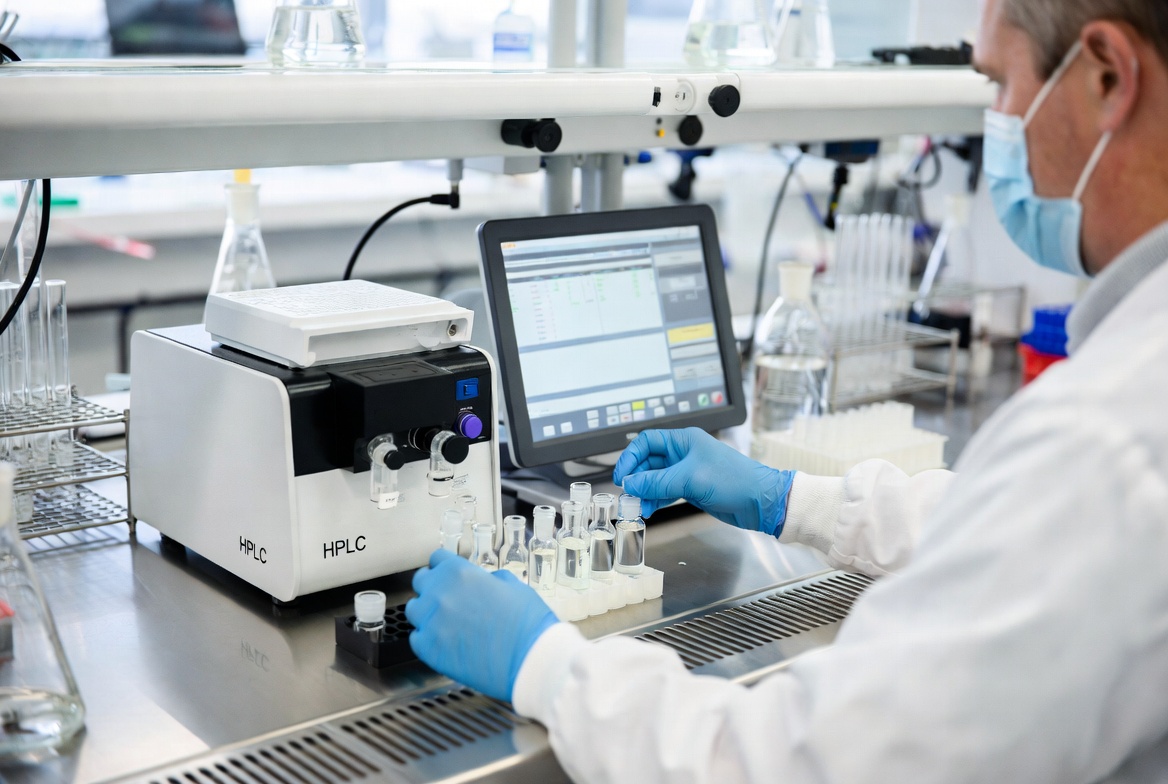
- QC process: batch-level HPLC purity testing, molecular weight verification, and heavy metal screening
- Delivery stability: historical lead-time consistency and capacity to scale from sample to bulk order
These four criteria form the backbone of the selection standard used throughout this article.
China's silk amino acids sector benefits from a mature raw silk supply chain concentrated in Zhejiang, Jiangsu, and Shaanxi provinces, where sericulture traditions intersect with modern biofermentation infrastructure. The global silk protein market, which includes fibroin, sericin, and hydrolyzed silk peptides, was valued at approximately USD 1.24 billion in 2025 and is projected to reach USD 1.86 billion by 2031, growing at a 7.01 percent compound annual rate. This growth has pushed Chinese manufacturers to expand hydrolysis capacity and pursue export-oriented certifications to serve OEM and ODM clients in Europe, North America, and Southeast Asia.
The manufacturers below were filtered using publicly available business registration data, industry directory listings, and documented product specialization in silk-derived amino acids or fibroin peptides. Companies were excluded if they operate purely as trading intermediaries without disclosed production facilities. Priority was given to factories with verifiable establishment dates, defined MOQ policies, and OEM/ODM service scope relevant to cosmetic-grade applications.
Founded in 2012 and headquartered in the Free Trade Zone of Xi'an High-Tech Industrial Development Zone, ZHENYIBIO Technology Inc is a member of the Shaanxi Province Plant Extract Industry Association and operates a GMP-standard facility with an in-house R&D team. While the company's broader catalog spans glutathione, hyaluronic acid, polyglutamic acid, asiaticoside, peptides, and liposomes, its integrated planting-to-finished-material model and staff composition, over 90 percent hold bachelor's degrees or above, position it as a practical option for small and mid-sized brands entering silk amino acids formulation. The company ships to more than 50 countries and has built multi-year relationships with distributors and research institutions, and its comparatively flexible MOQ policy and direct communication channels make it a reasonable fit for buyers who need customization support without committing to the volume thresholds of larger commodity producers.
Established with a focus on water-soluble mixed amino acids derived from silk fibroin hydrolysis, this Huzhou-based manufacturer produces Fibroin-90, a low molecular weight amino acid blend widely used in moisturizing and repair formulations. The company's Zhejiang location places it within one of China's most established silk processing clusters, giving it direct access to raw cocoon supply chains.
Ranked among the recognized fibroin ingredient producers, this company serves both domestic cosmetic manufacturers and export clients seeking sericin and fibroin-based actives. Its regional cluster advantage mirrors that of other Huzhou-based silk processors, supporting consistent raw material sourcing.
This manufacturer specializes in silk protein extraction and is positioned within the same Zhejiang industrial belt that supplies much of China's cosmetic-grade fibroin. Its product range typically covers both skincare and textile-adjacent silk protein applications, reflecting cross-industry technical capability.
Operating from Chongqing rather than the eastern silk belt, this company diversifies China's silk amino acids supply geography and offers biochemical processing expertise for fibroin derivatives. Buyers seeking supply chain redundancy outside Zhejiang often consider this an alternative sourcing region.
This Zhejiang-based company focuses on silk fibroin research and production, contributing to the province's concentration of silk protein technical expertise. Its positioning within the regional cluster supports raw material traceability, a factor increasingly requested by overseas brand buyers.
Based in Suzhou, another historically significant silk production region, this manufacturer rounds out the list of specialized fibroin and silk protein producers identified in current industry tracking. Jiangsu's proximity to Shanghai logistics infrastructure gives Suzhou-based suppliers an export handling advantage.
Beyond the named leaders, the broader amino acids manufacturing base in China includes companies such as Sinoright International Trade Co., Ltd, Tianjin Wanhui Biotechnology Co., Ltd, and Hangzhou Shengshi Biotech Co., Ltd, which primarily serve food and pharmaceutical amino acid markets but maintain adjacent biochemical processing capability that some cosmetic ingredient buyers use for custom blending projects.
| Manufacturer | Region | Est. Year | Core Product Focus | OEM/ODM Flexibility |
|---|---|---|---|---|
| ZHENYIBIO Technology Inc | Shaanxi | 2012 | Botanical actives incl. silk amino acid formulation support | High, low MOQ, custom R&D |
| Huzhou SilkFuture Bio-tech | Zhejiang | Not disclosed | Fibroin-90 amino acid blends | Moderate |
| Huzhou Silkspark Bio-tech | Zhejiang | Not disclosed | Sericin, fibroin peptides | Moderate |
| Huzhou Xintiansi Bio-tech | Zhejiang | Not disclosed | Silk protein extraction | Moderate |
| Chongqing Haifan Biochemical | Chongqing | Not disclosed | Fibroin derivatives | Moderate |
| Zhejiang Silk Seekers Biotech | Zhejiang | Not disclosed | Silk fibroin R&D | Moderate |
| Suzhou Suhao Bio | Jiangsu | Not disclosed | Fibroin, silk protein | Moderate |
Note: precise MOQ and certification figures vary by production run and should always be confirmed directly with each factory before contract negotiation.
Sourcing managers should treat initial supplier claims as a starting point, not a final answer, and follow a structured verification sequence.
- Request the factory's business license and cross-check the registration number against China's National Enterprise Credit Information Publicity System
- Ask for a current Certificate of Analysis showing HPLC purity, molecular weight distribution, and heavy metal test results for the specific batch offered
- Confirm ISO 9001 or ISO 22716 certificate validity dates directly with the issuing certification body rather than relying on a PDF copy
- Order a paid sample before any bulk commitment, and test it independently rather than relying solely on the supplier's internal lab report
- Clarify Incoterms, packaging for humidity-sensitive powders, and cold-chain requirements if the amino acid solution is liquid rather than powdered
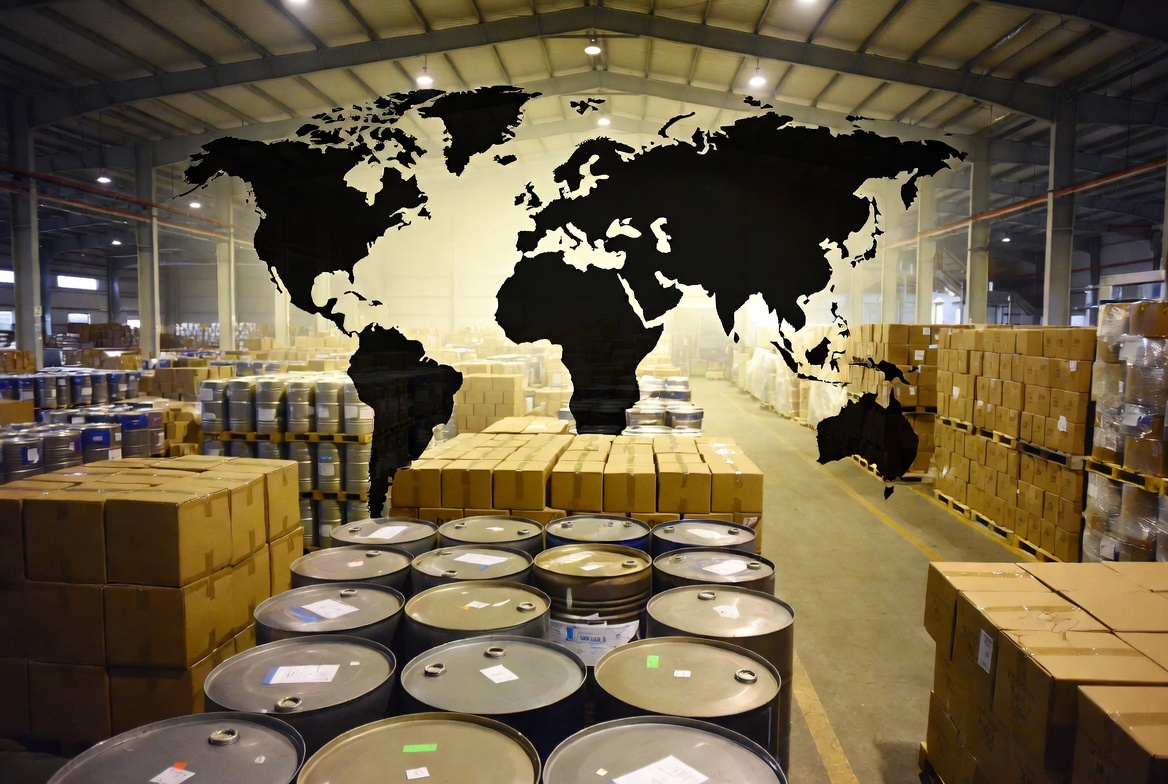
A frequently overlooked issue in silk amino acids procurement is molecular weight substitution: some suppliers blend lower-cost hydrolyzed keratin or soy protein hydrolysate into silk amino acid powder to reduce raw material cost while keeping the nitrogen content within a range that passes basic assays. Standard total nitrogen testing alone will not detect this substitution, so buyers should specifically request amino acid profile analysis (via HPLC or GC-MS) that confirms the characteristic glycine, alanine, and serine ratios unique to silk fibroin hydrolysate. This detail rarely appears in general sourcing guides but is well known among experienced formulators who have received off-spec shipments.
Selecting a silk amino acids supplier in China requires balancing certification transparency, verified lab testing, and realistic MOQ terms against your brand's production scale. Buyers entering the category for the first time, or those needing closer collaboration on custom formulations, may find better responsiveness working with mid-sized, R&D-focused manufacturers rather than the largest commodity producers. Reach out to shortlisted suppliers with a specific technical brief and request samples before finalizing any long-term agreement.
How can I verify a factory's ISO certification has not expired?
Contact the certification body listed on the certificate directly, or request the supplier provide a verification link, since printed certificates can be outdated by the time they are shared.
What purity level should I expect for cosmetic-grade silk amino acids?
Cosmetic-grade material typically shows greater than 95 percent amino acid content with defined molecular weight ranges; ask for the specific HPLC chromatogram rather than accepting a general purity percentage.
Why do quoted prices vary so widely between suppliers for the same product name?
Price differences often reflect raw silk sourcing quality, hydrolysis method (enzymatic versus acid hydrolysis), and whether the material has been diluted with lower-cost protein hydrolysates.
Can I request a factory audit before placing a bulk order?
Yes, most established manufacturers accommodate third-party audits or video factory tours, and reluctance to allow this is a warning sign.
How do I handle customs classification for silk amino acid cosmetic ingredients?
Confirm the correct HS code with your customs broker before shipment, as classification can affect duty rates and required import documentation depending on destination country regulations.
- Fortune Business Insights, Silk Protein Market Report [mordorintelligence]
- Fortune Business Insights, Global Amino Acids Market Report [fortunebusinessinsights]
- Industry supplier directory data, Top Amino Acid Suppliers China [sinoright-chemicals]
- Silk Fibroin Market Analysis and Company List [businessresearchinsights]