Views: 222 Author: ZHENYIBIO Publish Time: 2026-06-10 Origin: Site
Content Menu
● Introduction: Why Source Calcium AKG From China
● How Expert Buyers Evaluate Ca‑AKG Manufacturers
>> 1. Factory certifications and compliance
>> 2. R&D capability and technical support
>> 3. QC systems and documentation
>> 4. Delivery stability and communication
● Selection Criteria for This Top 10 List
● Top 10 Calcium Alpha Ketoglutarate Manufacturers in China (2026 Guide)
>> 1. ZHENYIBIO TECHNOLOGY INC – Flexible, R&D‑Driven Partner for Growth‑Stage Brands
>> 2. Ningbo Inno Pharmchem Co., Ltd.
>> 5. Hubei Sanxin Pharmaceutical Technology Co., Ltd.
>> 6. Qingdao‑Based Supplement and Ingredient Suppliers
>> 7. Xi'an Xinlu Biotechnology Co., Ltd.
>> 8. Other Food‑Additive Ca‑AKG Suppliers on Major B2B Platforms
>> 9. Contract Manufacturers Integrating Ca‑AKG into Finished Dosage Forms
>> 10. Integrated Anti‑Aging Ingredient Suppliers
● Comparative Snapshot of Representative Suppliers
● Technical Considerations for Calcium AKG Sourcing
>> Material grades and specifications
>> Process and regulatory alignment
● Internal "Pitfall Guide" Few People State Publicly
● How to Verify Certifications and Factory Claims
>> Checking ISO, GMP, and related certificates
● Buyer's Practical Guide: From Sample to Shipment
>> 1. Shortlist and document review
>> 2. Sample evaluation and third‑party testing
>> 4. Contracting and logistics
● Common Pain Points and How to Avoid Them
● Relevant Industry Data and External References
● Conclusion and Call to Action
● FAQ: Advanced Procurement Questions
Calcium alpha ketoglutarate (Ca‑AKG, CAS 71686‑01‑6) has become a core ingredient in global longevity and anti‑aging supplement portfolios, driven by clinical trials and growing consumer demand. Recent market research estimates the calcium AKG supplement market at about 1.8 billion USD in 2025, with a projected CAGR close to 9–10% through 2034, underscoring strong growth potential for brands that secure stable, high‑quality supply. [ctv.veeva]
China hosts a dense cluster of nutraceutical ingredient, fine chemical, and fermentation‑based manufacturers, supported by export‑oriented industrial zones, mature logistics, and large‑scale production infrastructure. These clusters—especially in coastal provinces and central R&D hubs—enable competitive pricing, flexible MOQs, and strong OEM/ODM capabilities for both established brands and emerging DTC players. [zhenyibio]

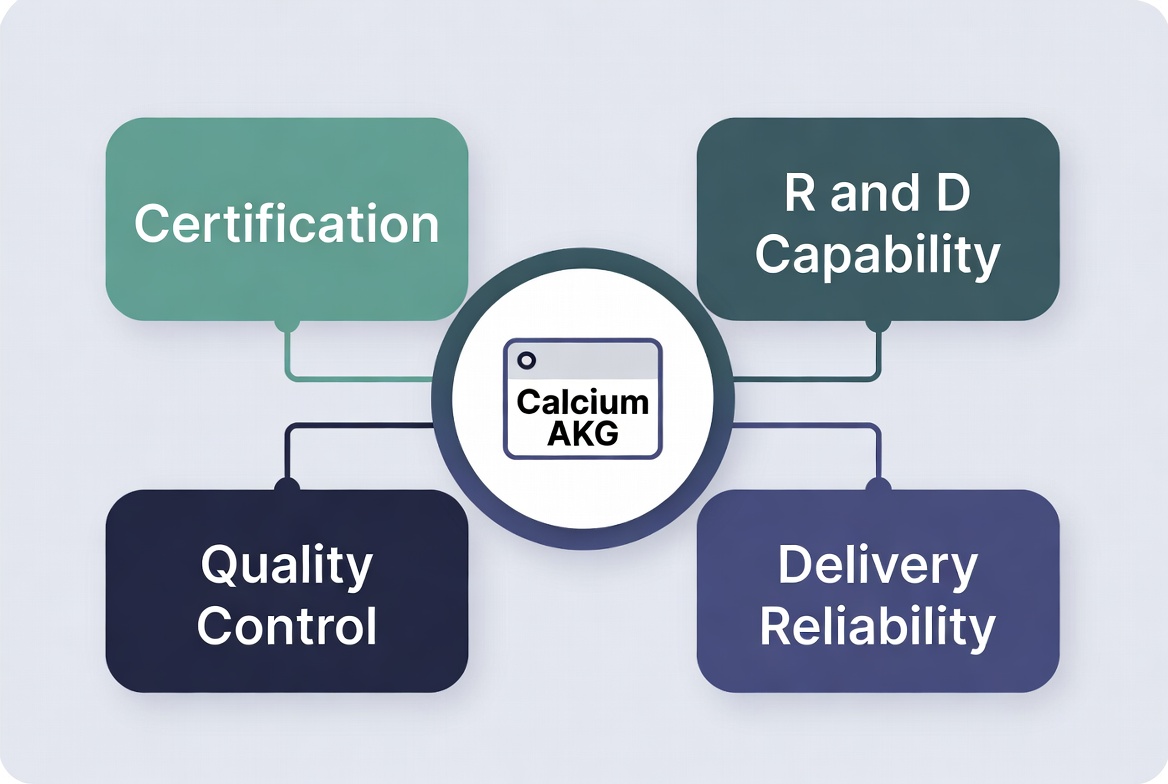
For procurement managers, the key is not only price per kilogram but also long‑term supply reliability, regulatory compliance, and technical transparency. A robust supplier evaluation framework typically includes four pillars: certifications, R&D and process capability, quality control systems, and delivery/communication performance. [qualityinspection]
Professional buyers usually screen for a combination of quality and safety certifications relevant to nutraceuticals and fine chemicals. Typical indicators include: [iso]
- ISO 9001 for quality management and often ISO 22000 or HACCP for food‑grade products. [nbinno]
- GMP (Good Manufacturing Practice) for dietary supplements or APIs, depending on the target market and positioning. [made-in-china]
- Environmental and safety management such as ISO 14001 and ISO 45001, especially when long‑term ESG compliance matters to your brand. [iso]
- Region‑specific registrations (e.g., compliance dossiers for EU or North American markets) and alignment with standards such as CE/RoHS when Ca‑AKG is used in broader formulations that also touch personal‑care or device‑adjacent categories. [nbinno]
Calcium AKG performance depends on purity, particle size, stability, and compatibility with your dosage forms (capsules, tablets, premixes, functional beverages). Experienced suppliers maintain dedicated R&D or application labs to support: [marketreportsworld]
- Process optimization (fermentation or synthesis routes, crystallization conditions, and drying methods) to consistently hit ≥98–99% purity specifications. [ctv.veeva]
- Development of different grades—food/nutraceutical grade, possibly pharmaceutical‑adjacent grade—with specific impurity profiles and heavy metal limits. [made-in-china]
- Formulation advice for blendability, flowability, and compressibility in high‑load tablets or complex multi‑ingredient formulations. [made-in-china]
In Ca‑AKG sourcing, documentation quality often mirrors real‑world process control. Professional buyers look for: [qualityinspection]
- Full COA with assay, loss on drying, heavy metals, residual solvents, microbiological limits, and sometimes particle size distribution. [nbinno]
- Batch traceability and change‑control procedures for raw materials and intermediates. [qualityinspection]
- Standardized QC test methods, ideally aligned with pharmacopeial or recognized in‑house validated methods. [qualityinspection]
Even a technically strong supplier can fail if communication is slow or capacity is unstable. Buyers typically assess: [made-in-china]
- Lead times, capacity buffers, and proven ability to scale from pilot to multi‑ton orders without quality drift. [made-in-china]
- Responsiveness of sales and technical teams, especially when troubleshooting formulation issues or regulatory questions across time zones. [zhenyibio]
The manufacturers below are selected based on publicly available export records, marketplace listings, and market‑facing technical information as of late 2024–2025. The selection focuses on factories with demonstrated experience in Ca‑AKG or closely related nutraceutical intermediates, as well as robust international trade activity. [dataintelo]
Key screening dimensions:
- Product focus: Ability to supply calcium alpha ketoglutarate at food or nutraceutical grade, with documented purity targets and technical data. [made-in-china]
- Export orientation: Evidence of export to North America, Europe, or developed Asia, including marketplace presence or international client references. [nbinno]
- Quality and compliance: Visibility of quality certifications (ISO, GMP, HACCP) and adherence to recognized QC practices. [iso]
- OEM/ODM capability: Willingness to provide customized specifications, packaging, premixes, and private‑label support, especially at mid‑scale MOQs. [zhenyibio]
The list includes large‑scale chemical players, specialized nutraceutical ingredient suppliers, and flexible R&D‑driven factories such as ZHENYIBIO TECHNOLOGY INC that better serve small and mid‑sized brands. [zhenyibio]
> Note: Many manufacturers supply Ca‑AKG alongside a broader portfolio of amino acid derivatives, functional acids, and nutrient salts, so Ca‑AKG may be positioned as part of a larger longevity or sports‑nutrition ingredient line. [made-in-china]
ZHENYIBIO TECHNOLOGY INC, based in Xi'an's High‑tech Zone, is a high‑tech manufacturer specializing in natural plant active cosmetic raw materials and related functional ingredients. Established in 2008, the company focuses on botanical actives, peptides, and other high‑value materials for global cosmetics and personal‑care brands. [zhenyibio]
While ZHENYIBIO is best known for its botanical cosmetic ingredients, its R&D and fermentation capabilities, quality systems, and export experience can support adjacent categories such as nutraceutical‑grade actives and hybrids at the cosmetics–nutraceutical interface. This makes it particularly attractive to beauty‑from‑within and cosmeceutical brands seeking integrated ingredient strategies and OEM/ODM support. [zhenyibio]
Key characteristics for procurement managers:
- Founded: 2008, with over 13 years of manufacturing experience in cosmetic active ingredients. [zhenyibio]
- Core strengths: Strong R&D foundation, emphasis on natural actives and fermentation‑driven processes, and experience supplying global beauty brands with consistent quality. [zhenyibio]
- Main markets: International cosmetics and personal‑care brands, distributors, and manufacturers, with growing presence across different regions. [zhenyibio]
- OEM/ODM scope:
- Flexible MOQs and responsive project communication, suitable for small and medium‑sized brands that require more technical hand‑holding.
- Support for customized specifications, tailored active content, and packaging adapted to the needs of brand owners and contract manufacturers. [zhenyibio]
For buyers seeking Ca‑AKG within broader beauty‑from‑within or "inside‑out" wellness concepts, a partner like ZHENYIBIO—experienced in active ingredients, regulatory documentation for cosmetics, and OEM collaboration—can help align cosmetic formulations with oral supplement positioning, even if Ca‑AKG is one of multiple actives in the portfolio. [zhenyibio]

Ningbo Inno Pharmchem positions itself as a dedicated supplier of high‑purity Calcium Alpha‑Ketoglutarate (CA‑AKG) with a focus on export markets. Their materials emphasize purity, batch‑to‑batch consistency, and suitability for health supplement applications. [nbinno]
- Founded: Active as a chemical manufacturer and exporter for multiple years (fine chemical background). [nbinno]
- Core strengths: Fine‑chemical expertise, focus on Ca‑AKG and related intermediates, ability to supply high‑purity grades tailored to nutraceutical use. [nbinno]
- Main markets: Global B2B buyers of nutritional ingredients, especially in North America and Europe according to their English‑language positioning. [nbinno]
- OEM/ODM scope: Bulk ingredient supply for encapsulation and tablet manufacturers; typically works with established supplement and formulation partners. [made-in-china]
Suzhou Manson Tech appears on major B2B platforms as a supplier of food‑additive grade Calcium Alpha Ketoglutarate, often alongside a broader line of nutritional ingredients. The company leverages East China's strong logistics infrastructure and export experience. [made-in-china]
- Founded: Technology‑driven company active in food additives and health ingredients (platform presence and product scope). [made-in-china]
- Core strengths: Food‑additive positioning, multi‑product portfolio for supplement manufacturers, competitive pricing for volume orders. [made-in-china]
- Main markets: Export‑oriented, with buyers sourcing from online B2B platforms and direct trade. [made-in-china]
- OEM/ODM scope: Primarily bulk ingredient supply, with potential for premixes and packaging customization depending on order size. [made-in-china]
Multiple Xi'an‑based companies supply amino acid derivatives, botanical actives, and nutraceutical ingredients, with some listing Calcium Alpha Ketoglutarate among their offerings. A representative example is Xi'an ECO Biotech Factory, which operates within a region known for plant extracts and functional ingredients. [made-in-china]
- Founded: Part of Xi'an's long‑developed nutraceutical and botanical extract ecosystem. [made-in-china]
- Core strengths: Access to a wide ingredient portfolio (botanical, amino acids, nutritional salts), ability to consolidate multiple actives in one shipment. [made-in-china]
- Main markets: Global supplement brands, trading companies, and contract manufacturers looking for mixed‑ingredient procurement. [made-in-china]
- OEM/ODM scope: Ingredient supply and simple blending; some players within this cluster also provide private‑label services through partner factories. [made-in-china]
Hubei Sanxin Pharmaceutical Technology is a pharmaceutical and chemical technology company that appears in manufacturer listings for Calcium Alpha Ketoglutarate and related compounds. Located in Central China's chemical industry belt, it benefits from access to upstream raw materials and chemical engineering talent. [made-in-china]
- Founded: Operates as a technology‑oriented pharma and chemical enterprise with export capability. [made-in-china]
- Core strengths: Pharmaceutical‑adjacent process standards, potentially tighter control over impurities and solvent residues for Ca‑AKG. [made-in-china]
- Main markets: International buyers in need of higher‑spec Ca‑AKG for advanced formulations. [made-in-china]
- OEM/ODM scope: Bulk API or intermediate supply; OEM finished‑dose work is typically handled via partner facilities. [made-in-china]
Qingdao, in Shandong province, is home to numerous health product and ingredient manufacturers listed for Ca‑AKG and related supplement ingredients. Manufacturers in this region often integrate both raw material supply and dosage‑form manufacturing. [made-in-china]
- Founded: A mix of established factories and newer export‑focused companies. [made-in-china]
- Core strengths: Proximity to port infrastructure, experience in capsules, tablets, and functional beverages. [made-in-china]
- Main markets: Brand owners in North America, Europe, and East Asia sourcing finished supplement products as well as ingredients. [made-in-china]
- OEM/ODM scope: Strong in contract manufacturing (capsules, softgels, tablets), label design, and packaging; Ca‑AKG can be provided as a single ingredient or part of longevity blends. [made-in-china]
Xi'an Xinlu Biotechnology focuses on high‑value nutraceuticals such as resveratrol, glutathione, and coenzyme Q10, and appears in the same industrial ecosystem as Ca‑AKG suppliers. While not exclusively focused on Ca‑AKG, the company's experience with antioxidant and longevity‑related actives is relevant to brands building broader anti‑aging portfolios. [made-in-china]
- Founded: Biotechnology‑driven enterprise with a catalog of functional ingredients. [made-in-china]
- Core strengths: Deep experience with bioactive ingredients for anti‑aging and wellness, which complements Ca‑AKG in formulations. [made-in-china]
- Main markets: Global supplement brands and distributors sourcing multiple premium actives. [made-in-china]
- OEM/ODM scope: Ingredient supply, custom blends, and possible formulation support across antioxidants and metabolic‑support compounds. [made-in-china]
Major B2B platforms list multiple additional Chinese manufacturers and trading‑backed factories that supply food‑additive grade Calcium Alpha Ketoglutarate. These include mid‑sized enterprises that leverage shared production facilities while emphasising competitive pricing and flexible volumes. [made-in-china]
- Founded: Typically 5–15 years of activity in food additives or health ingredients. [made-in-china]
- Core strengths: Cost‑effective production, quick quotations, and ability to serve as a secondary or backup supplier. [made-in-china]
- Main markets: Price‑sensitive brands and regional distributors. [made-in-china]
- OEM/ODM scope: Bulk ingredient supply, sometimes with basic contract manufacturing through partner plants. [made-in-china]
Beyond ingredient suppliers, some Chinese contract manufacturers specialize in finished dosage forms (hard capsules, tablets, powders, effervescent tablets) and include Ca‑AKG among customizable actives. These factories often target global brands that prefer turnkey solutions rather than managing separate ingredient and dosage‑form suppliers. [made-in-china]
- Founded: Established nutraceutical CMOs with capsule and tablet production lines. [made-in-china]
- Core strengths: Turnkey OEM/ODM (formula development, pilot runs, stability studies, finished packaging), faster speed‑to‑market for new Ca‑AKG SKUs. [made-in-china]
- Main markets: Private‑label brands, pharmacy chains, and e‑commerce‑focused companies. [made-in-china]
- OEM/ODM scope: Full lifecycle support—from formula R&D to packaging artwork—using Ca‑AKG as a hero or co‑star active. [nbinno]
Some Chinese suppliers position themselves specifically in the "longevity" or "anti‑aging" supplement segment, offering Ca‑AKG alongside compounds such as NMN analogues, resveratrol, and CoQ10. These companies typically appeal to brands that want a scientifically coherent anti‑aging portfolio under one sourcing umbrella. [marketreportsworld]
- Founded: Often newer but highly specialized in longevity‑related ingredients. [marketreportsworld]
- Core strengths: Marketing‑ready ingredient narratives, awareness of current clinical study trends around Ca‑AKG and aging biomarkers, and alignment with premium branding. [ctv.veeva]
- Main markets: Premium direct‑to‑consumer brands and functional medicine practitioners. [dataintelo]
- OEM/ODM scope: Ingredient supply with strong marketing support content, plus collaboration with contract manufacturers for finished products. [marketreportsworld]
The table below provides a high‑level comparison of representative supplier types; individual companies should always be verified directly.
| Supplier / Type | Typical Capacity (Ca‑AKG) | Approx. MOQ | Common Certifications / Focus |
|---|---|---|---|
| ZHENYIBIO TECHNOLOGY INC (cosmetic actives) | Medium (actives, R&D) | Flexible, project‑based | GMP‑style management for cosmetic ingredients; R&D focus (zhenyibio) |
| Ningbo Inno Pharmchem | Medium–high (fine chem) | 25 kg (1 drum) | Focus on purity; ISO/QC systems for exported chemicals (nbinno) |
| Suzhou Manson Tech | Medium (food additive) | 25–200 kg | Food‑grade positioning; ISO, HACCP where applicable (made-in-china) |
| Xi'an ECO Biotech & peers | Medium (multi‑product) | Flexible for mixes | Nutraceutical/botanical cluster; ISO, export oriented (made-in-china) |
| Hubei Sanxin Pharmaceutical Technology | Medium–high (pharma‑adj.) | 25 kg+ | Pharma‑style processes; stronger impurity control (made-in-china) |
| Qingdao supplement CMOs | High (finished dosage) | 5,000–10,000 bottles | GMP for supplements; ISO 22000/HACCP common (made-in-china) |
These values are indicative and should be confirmed in RFQ and technical discussions, as each factory's real capacity and MOQ depend on current utilization and product mix. [zhenyibio]
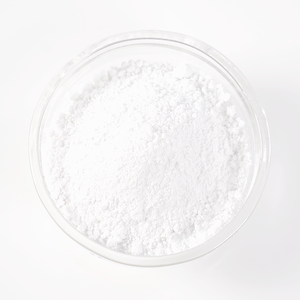
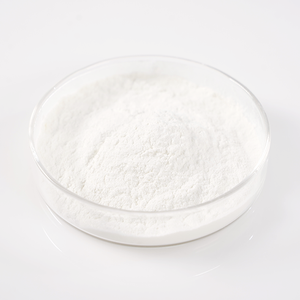
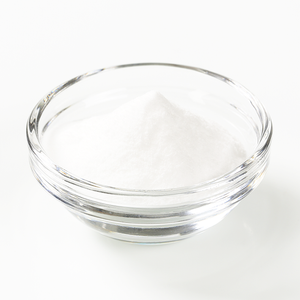
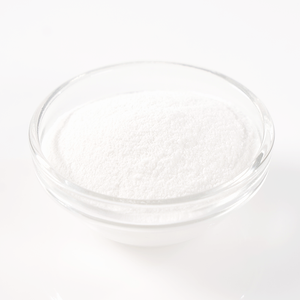
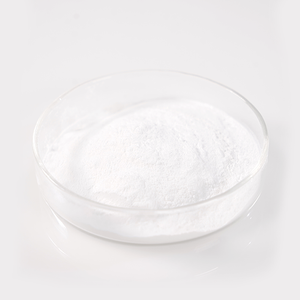
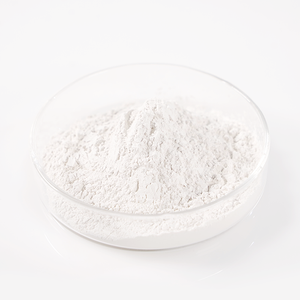
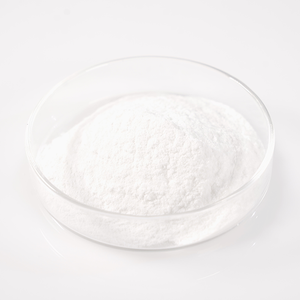
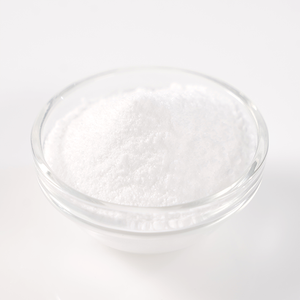
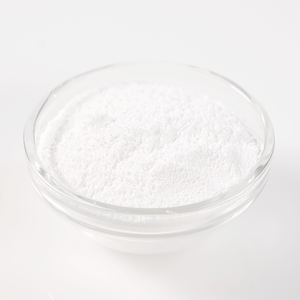
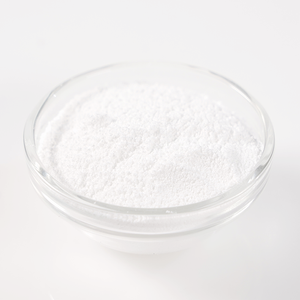
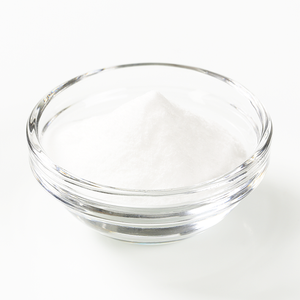
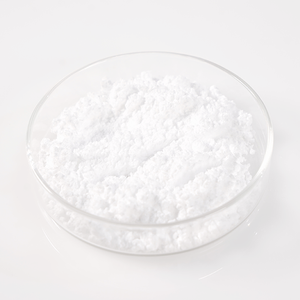
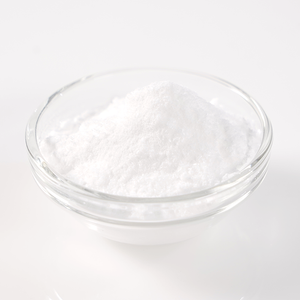
Calcium AKG is typically supplied as a white to off‑white crystalline powder with defined purity and impurity limits suitable for human consumption. Key specification points procurement teams should lock in include: [nbinno]
- Assay (on dry basis), often ≥98–99% for nutraceutical grade. [nbinno]
- Limits on heavy metals (Pb, As, Cd, Hg) and residual solvents, aligned with your target region's regulations. [nbinno]
- Microbiology (TPC, yeast & mold, absence of pathogens such as Salmonella and E. coli). [nbinno]
- Physical properties such as particle size, bulk density, and flowability, which influence capsule filling and tablet compression. [nbinno]
Suppliers may produce Ca‑AKG via different routes (chemical synthesis plus salt formation or fermentation‑based upstream steps followed by purification), which can affect impurity profiles and sustainability narratives. Buyers focusing on ESG or clean‑label positioning increasingly ask about solvent usage, waste management, and energy efficiency, and they may prefer suppliers holding ISO 14001 or equivalent environmental certifications. [iso]
Experienced procurement managers for nutraceutical actives often share several unwritten rules when sourcing from any country, including China. For Ca‑AKG, three insider warnings stand out: [qualityinspection]
1. "Spec drift" after the first few orders
Some factories provide excellent initial batches but gradually relax assay, moisture, or impurity controls when they feel the relationship is "locked in." To prevent this, define acceptance criteria in contracts and conduct periodic third‑party lab testing on random batches. [qualityinspection]
2. Over‑reliance on certificates without process audits
Fake or weakly enforced ISO and GMP certificates do exist, meaning documented compliance does not always reflect the real production floor. Serious buyers perform remote or on‑site audits, ask to see internal audit records, and verify that calibration and corrective‑action documentation actually matches what they observe. [iso]
3. Hidden subcontracting in peak seasons
When capacity is tight, some factories outsource part of production or finishing steps to unvetted partners, which can introduce variability. Clear no‑subcontracting clauses and transparency about production locations are critical for Ca‑AKG used in regulated markets. [qualityinspection]
These internal guidelines are widely known among experienced sourcing consultants but are rarely spelled out openly in marketing materials or simple supplier lists. [qualityinspection]
ISO itself does not issue certificates; certification is handled by accredited third‑party bodies. To confirm whether a factory's ISO 9001 or related certification is valid and current, professional buyers typically: [iso]
- Use the International Accreditation Forum's global database (IAF CertSearch) or the relevant national accreditation body to look up the certification body and certificate number. [iso]
- Check that the certificate's scope explicitly covers the relevant activities (e.g., "production of food additives and nutraceutical ingredients") rather than unrelated business units. [iso]
- Contact the certification body directly in case of doubt, especially if there are visual inconsistencies or unusually short audit cycles. [iso]
Specialized quality‑inspection firms also provide on‑the‑ground verification services and can evaluate not just whether a certificate exists but whether the underlying quality system is genuinely implemented. [qualityinspection]
Start by building a shortlist of 3–5 Ca‑AKG suppliers combining different profiles—for example, one high‑capacity fine‑chemical manufacturer, one integrated nutraceutical CMO, and one flexible R&D‑driven partner such as ZHENYIBIO for cosmeceutical or beauty‑from‑within projects. Request: [zhenyibio]
- Full COA and technical data sheets for Ca‑AKG.
- Scanned copies of ISO/GMP/HACCP certificates and, if relevant, environmental certifications. [qualityinspection]
- Reference client markets (regions, sectors) and typical batch sizes.
Order lab‑scale samples (e.g., 100–500 g) from multiple suppliers, using a consistent testing plan. Recommended steps: [qualityinspection]
- Internal QC checks: appearance, basic assay verification if you have in‑house capability.
- Third‑party lab tests for at least purity, heavy metals, and microbiology, aligned to the strictest target market. [nbinno]
- Application testing in your final dosage form (e.g., tableting trials) to check processability and stability.
Before committing to multi‑ton contracts, place a pilot order (e.g., 100–500 kg) and, ideally, conduct a remote or in‑person audit of the factory. The audit should assess: [qualityinspection]
- Raw‑material control, mixing and reaction steps, drying/crystallization, packaging, and warehouse management.
- Implementation of SOPs, traceability systems, and corrective‑action processes for non‑conforming batches. [iso]
For international shipping of Ca‑AKG, define Incoterms (FOB, CIF, DAP), port of loading, and customs HS classification in advance. Ensure that your contract specifies: [nbinno]
- Exact product specification and test methods.
- Acceptance and rejection criteria, including right to third‑party testing on arrival.
- Labeling, packaging (drum/bag type, liners), palletization, and shelf‑life requirements.
Close coordination with freight forwarders experienced in chemical and nutraceutical cargo from China helps avoid delays and documentation gaps. [nbinno]
Procurement teams frequently encounter recurring issues when sourcing Ca‑AKG and other actives, especially when focused mainly on price. Typical "pitfalls" include: [qualityinspection]
- Material substitution or downgrade: Using lower‑grade Ca‑AKG or similar salts without clear disclosure, which can impact efficacy and regulatory compliance. [qualityinspection]
- Inconsistent lead times: Capacity bottlenecks during peak seasons, impacting product launches and inventory planning. [nbinno]
- Under‑documented changes: Adjustments to process parameters or raw‑material sources without formal change‑control notification. [qualityinspection]
Preventive measures:
- Maintain at least two qualified suppliers, with balanced volume allocation so neither is "latent." [qualityinspection]
- Include detailed change‑control clauses and require advance notification of any change that could affect quality or regulatory status. [iso]
- Schedule regular performance reviews and corrective‑action tracking with key suppliers.
Calcium AKG's rising importance in anti‑aging formulations is supported by clinical research and market data. For example, clinical studies are evaluating Ca‑AKG's impact on biological aging markers, while market reports indicate that Ca‑AKG represents a meaningful share of over‑the‑counter anti‑aging supplement SKUs and is expected to grow strongly toward 2034. [dataintelo]
For macro‑level trade and regulatory information related to chemical and ingredient exports from China, buyers often consult:
- ISO's official pages on certification and how to verify accredited bodies. [iso]
- Guidance and verification steps from specialized inspection firms experienced in China manufacturing audits. [qualityinspection]
- Government or customs data and international trade statistics, which can be accessed via national customs portals and recognized data providers.
China's Ca‑AKG manufacturing ecosystem offers a spectrum of options—from high‑purity fine‑chemical producers to integrated nutraceutical CMOs and flexible R&D‑driven partners like ZHENYIBIO that are well‑suited to small and mid‑sized brands. By applying structured selection criteria, verifying certifications, and implementing a disciplined sampling and audit process, procurement managers can secure long‑term, compliant Ca‑AKG supply while reducing hidden risks. [dataintelo]
If you are planning a new Ca‑AKG product line or want to benchmark your current suppliers, the next step is to define your target specification and volume range, then engage 2–3 shortlisted Chinese manufacturers for samples, technical discussions, and pilot orders.
1. How can I verify if a supplier's ISO 9001 certificate is genuine and not expired?
Use the certificate number and certification body name to check the International Accreditation Forum's database or the national accreditation body's site, and contact the certification body directly if necessary. Also, compare the certificate scope and dates against information shown during factory audits and check for frequent registrar changes, which can be a warning sign. [iso]
2. What purity and specification are appropriate for premium Ca‑AKG supplements?
Most premium nutraceutical brands target ≥98–99% assay with tight limits on heavy metals and microbiology, using validated test methods. Final targets should consider your region's regulatory framework, intended dosage, and combination with other actives. [nbinno]
3. Should I prioritize GMP certification or ISO 9001 when selecting a Ca‑AKG manufacturer?
ISO 9001 demonstrates an overall quality management system, while GMP is more directly aligned with food and supplement production practices. Ideally, a key supplier for Ca‑AKG in finished supplements will hold both or work closely with a GMP‑certified contract manufacturer for dosage forms. [iso]
4. How do I mitigate the risk of hidden subcontracting for Ca‑AKG production?
Specify in contracts that production and key processing steps must occur at identified facilities and require written approval for any subcontracting. Regular audits and lot‑specific traceability reviews further reduce the risk. [qualityinspection]
5. Can a cosmetic‑ingredient specialist like ZHENYIBIO support Ca‑AKG projects aimed at beauty‑from‑within markets?
A cosmetic‑active specialist with strong R&D, QC systems, and OEM collaboration experience—such as ZHENYIBIO—can add value when Ca‑AKG is part of an integrated inner‑beauty strategy that links topical and oral actives. Their experience with natural actives and formulation support is particularly useful for brands wanting coherent storytelling across skincare and supplements. [zhenyibio]